Competitive racing places extraordinary demands on vehicles, requiring exceptional performance, mechanical reliability, and precise handling. Unlike everyday driving, motorsports expose engines, transmissions, braking systems, and suspension components to intense operating conditions. Preparing a vehicle for competition involves more than installing performance upgrades or increasing horsepower. Professional auto shops play an important role in evaluating mechanical systems, identifying potential weaknesses, and ensuring that vehicles meet applicable racing requirements. Through inspections, specialized maintenance, and appropriate modifications, experienced automotive technicians help drivers improve vehicle performance while reducing the likelihood of mechanical failures. Proper preparation contributes to safer racing experiences and consistent performance on the track.
Optimizing Engine Performance and Reliability
An engine must operate efficiently under sustained high temperatures, increased RPMs, and demanding acceleration conditions during competitive racing. Professional auto shops inspect critical engine components, including cooling systems, ignition systems, belts, and fluid levels, to identify potential performance concerns. Regular oil changes are particularly important because engine lubrication helps reduce friction, control heat, and protect moving components from excessive wear. Drivers seeking an oil change service in Southeast Michigan should consider facilities that understand their vehicle's specifications and maintenance requirements. Selecting suitable engine oil and following appropriate service intervals helps support consistent performance. Additional diagnostic testing allows technicians to identify developing mechanical problems before vehicles enter competitive environments.
Improving Suspension, Steering, and Braking Systems
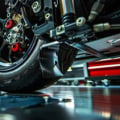
Vehicle handling is essential in competitive racing, where precise steering responses and dependable braking performance influence overall control. Professional automotive technicians evaluate suspension components, wheel alignment, shock absorbers, and steering assemblies to ensure proper operation. Depending on racing regulations and vehicle requirements, adjustments may improve stability during cornering and acceleration. Braking systems also require careful attention because repeated high-speed stops generate substantial heat and mechanical stress. Inspecting brake pads, rotors, hydraulic components, and brake fluid helps identify deterioration that could compromise stopping performance. Properly maintained suspension and braking systems allow drivers to operate their vehicles more confidently under demanding track conditions.
Ensuring Safety and Compliance With Racing Regulations
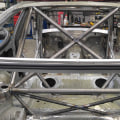
Competitive motorsports organizations establish technical regulations to promote driver safety and fair competition. Professional race preparation may involve inspecting safety equipment, verifying approved modifications, and ensuring that vehicles satisfy applicable competition standards. Depending on the racing category, requirements may include specialized seats, harnesses, roll cages, fire suppression equipment, and electrical safety systems. Qualified technicians help identify installation concerns and recommend appropriate corrections. Regular inspections of tires, fuel systems, and structural components further contribute to vehicle safety. Following official technical requirements reduces the risk of preventable equipment failures and helps drivers prepare for mandatory pre-race inspections.
Maintaining Consistent Performance Throughout Competition
Preparing a racing vehicle requires ongoing attention rather than a single maintenance appointment. Components experience significant wear during practice sessions, qualifying rounds, and competitive events. Establishing a structured maintenance schedule helps drivers monitor mechanical condition and address emerging problems promptly. Professional auto shops can assist with post-race inspections, fluid replacements, tire evaluations, and diagnostic assessments. Maintaining detailed service records also helps racing teams recognize recurring issues and plan future improvements. Ultimately, professional automotive preparation supports reliability, safety, and consistent track performance. By combining preventive maintenance, mechanical expertise, and appropriate performance adjustments, auto shops help racing enthusiasts protect their vehicles while pursuing competitive goals with greater confidence.