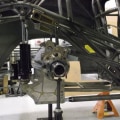
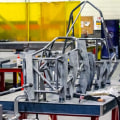
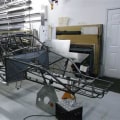
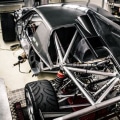
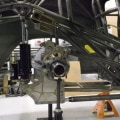
In the high-octane world of motorsports, race car fabrication stands as a cornerstone of performance and innovation. This intricate process involves the design and construction of race cars tailored to meet the rigorous demands of competitive racing. From the initial sketches to the final assembly, every aspect of fabrication is meticulously planned to ensure that the vehicle not only meets safety standards but also maximizes speed, agility, and handling on the track. The significance of race car design cannot be overstated; it is a blend of art and engineering that requires a deep understanding of aerodynamics, materials science, and mechanical systems. Each component, from the chassis to the suspension, is crafted with precision to enhance performance while adhering to specific regulations set by racing organizations.
This attention to detail is what separates top-tier teams from their competitors, as even the slightest advantage can lead to victory. Moreover, the importance of fabrication extends beyond mere construction. It encompasses a philosophy of continuous improvement and adaptation. As technology evolves and racing strategies shift, teams must be agile in their approach to design and fabrication. This sets the stage for a rigorous process of testing and fine-tuning newly fabricated race cars, ensuring they are not only built for speed but also optimized for real-world racing conditions.
Initial Setup and Preparation
Preparing a newly fabricated race car for testing is a critical step that ensures both performance and safety on the track.The initial setup involves several key procedures that must be meticulously followed.
- Safety Checks: Before any testing can begin, it is essential to conduct thorough safety checks. This includes inspecting the roll cage, seat belts, and fire suppression systems to ensure they meet regulatory standards. Any deficiencies must be addressed immediately to prevent potential hazards during testing.
- Equipment Setup: The next step involves setting up the necessary equipment for data collection and performance monitoring. This includes installing telemetry systems that track speed, acceleration, and other vital metrics.
Additionally, ensuring that all sensors are calibrated correctly is crucial for accurate data.
- Initial Inspections: A comprehensive inspection of the car's components is vital. This includes checking fluid levels, tire pressure, and brake functionality. Each component should be scrutinized to confirm that everything is in optimal condition before hitting the track.
During this phase, drivers should pay close attention to how the car responds to inputs and report any irregularities.In summary, the race car preparation process is not just about getting the car ready for speed; it’s about ensuring that every aspect of the vehicle is primed for performance and safety. By following these pre-testing procedures diligently, teams can set a solid foundation for successful testing and eventual racing success.
Conducting Initial Tests
When it comes to race car fabrication, conducting initial tests is a critical step in ensuring that the vehicle performs optimally on the track. These tests can be broadly categorized into static and dynamic evaluations.Static Tests
Before taking the car to the track, several static tests should be performed to assess the integrity and safety of the vehicle. These include:- Weight Distribution: Ensuring that the weight is evenly distributed across the chassis is vital for handling and stability.
- Component Checks: Inspecting all components, including brakes, suspension, and engine mounts, to confirm they meet design specifications.
- Fluid Levels: Checking oil, coolant, and fuel levels to prevent any issues during dynamic testing.
Dynamic Tests
Once static tests are complete, it’s time to move on to dynamic tests, which are conducted on the track.These tests provide valuable insights into how the car performs under real racing conditions:
- Acceleration Tests: Measuring how quickly the car can reach top speeds helps in understanding engine performance and tuning needs.
- Braking Performance: Evaluating how effectively the car can stop from high speeds is crucial for safety and control.
- Handling Tests: Assessing how well the car navigates turns and responds to driver inputs is essential for competitive racing.
Data Collection and Analysis
In the realm of race car fabrication, the importance of data collection and analysis cannot be overstated. After the initial tests of a newly fabricated race car, the next critical step is to gather and interpret data that will inform necessary adjustments and enhancements.One of the primary tools for this process is a telemetry system.These systems are designed to capture real-time data from various sensors placed throughout the vehicle. Key performance metrics such as speed, acceleration, tire temperature, and engine RPM are monitored continuously during test runs. This data provides invaluable insights into how the car performs under different conditions.
Key Metrics to Monitor
- Speed: Understanding how fast the car can go in different configurations helps in optimizing aerodynamics and power delivery.
- Acceleration: Analyzing acceleration data allows engineers to fine-tune the powertrain for better responsiveness.
- Tire Performance: Monitoring tire temperatures and wear patterns can indicate whether adjustments are needed in suspension settings or tire choices.
- Engine Performance: Data on engine temperature and RPM helps in assessing whether the engine is operating within its optimal range.
For instance, if tire temperatures are consistently higher on one side of the car, it may indicate an imbalance that needs addressing. Similarly, if acceleration times are slower than expected, it could point to issues with the powertrain or weight distribution.The iterative nature of this process means that after each test session, adjustments are made based on the findings. This cycle of testing, data collection, analysis, and refinement is crucial for achieving optimal performance in a race car. By leveraging telemetry data effectively, teams can ensure that their vehicles are not only competitive but also safe and reliable on the track.
Fine-Tuning Suspension and Handling
Fine-tuning the suspension and handling of a newly fabricated race car is crucial for achieving optimal performance on the track.This process involves a series of adjustments based on data collected during initial test runs. By focusing on suspension tuning, engineers can enhance the car's responsiveness, stability, and overall driving experience.One of the primary areas to address is the suspension geometry. Adjustments to camber, caster, and toe angles can significantly impact tire contact with the road, affecting grip and cornering performance. For instance, increasing negative camber can improve cornering stability but may reduce straight-line traction.
Therefore, finding the right balance is essential.
- Shock Absorbers: Tuning shock absorbers involves adjusting their damping settings to control how quickly they respond to road imperfections. Softer settings may enhance comfort but can lead to excessive body roll, while stiffer settings improve handling at the cost of ride quality.
- Spring Rates: The choice of spring rates affects how the car reacts to weight transfer during acceleration and braking. Stiffer springs can reduce body roll but may also make the car less forgiving over bumps.
- Ride Height: Lowering the ride height can lower the center of gravity, improving handling. However, it’s important to ensure that there’s enough clearance to avoid bottoming out on uneven surfaces.
- Weight Distribution: Adjusting weight distribution by relocating components or adding ballast can enhance traction and balance during cornering.
- Tire Pressure: Experimenting with tire pressures can optimize grip levels.
Lower pressures may increase contact patch size but could lead to overheating, while higher pressures might reduce rolling resistance.
- Aero Adjustments: Modifying aerodynamic components such as wings and diffusers can influence downforce and drag, further refining handling characteristics.
Engine Performance Optimization
Optimizing engine performance is a critical step in the race car fabrication process, as it directly influences speed, handling, and overall race outcomes. The primary goal of engine performance optimization is to maximize power output while ensuring reliability and efficiency.Engine Tuning Techniques
One of the most effective methods for enhancing engine performance is through engine tuning.This involves adjusting various parameters to achieve the best possible performance. Key tuning techniques include:
- Fuel Mapping: Adjusting the air-fuel mixture to ensure optimal combustion. This can be done using a standalone engine management system or by reprogramming the factory ECU.
- Ignition Timing Adjustments: Modifying the timing of the spark plug firing can lead to significant improvements in power and throttle response.
- Exhaust Modifications: Upgrading the exhaust system can reduce back pressure, allowing for better airflow and increased horsepower.
Testing and Data Analysis
After implementing these tuning methods, it’s essential to conduct thorough testing. This typically involves:- Dyno Testing: Using a dynamometer to measure horsepower and torque at various RPMs helps identify areas for further improvement.
- Track Testing: Real-world testing on a racetrack allows for evaluation of how the car performs under race conditions, providing insights into handling and acceleration.
- Data Logging: Collecting data during tests enables engineers to analyze performance metrics and make informed adjustments.
Each adjustment should be followed by rigorous testing to ensure that changes lead to tangible improvements in performance. By focusing on these aspects of engine performance optimization, race teams can significantly enhance their vehicles' capabilities, giving them a competitive edge on the track.
Aerodynamics Testing and Adjustments
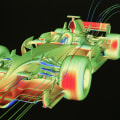
Aerodynamics plays a crucial role in the performance of a race car, influencing both speed and stability on the track. The process of testing and fine-tuning a newly fabricated race car's aerodynamic features is essential to achieving optimal performance. This section delves into the methods used for aerodynamics testing and the adjustments that can be made to enhance a car's design.One of the primary methods for assessing a race car's aerodynamics is through wind tunnel testing.In this controlled environment, engineers can simulate various racing conditions to observe how air flows over the car's body. This testing allows for precise measurements of drag and downforce, which are critical factors in determining a car's speed and handling.
- Drag: The resistance faced by the car as it moves through the air. Reducing drag is essential for increasing top speed.
- Downforce: The downward pressure created by airflow over the car, which enhances tire grip and stability during high-speed maneuvers.
- Body Shape Modifications: Altering the contours of the car's body to minimize drag and optimize airflow.
- Wing Adjustments: Fine-tuning front and rear wings to balance downforce and drag effectively.
- Underbody Design: Enhancing the undercarriage to improve airflow and reduce turbulence.
This iterative process ensures that each modification contributes positively to the overall aerodynamic efficiency of the race car. Ultimately, achieving an optimal aerodynamic profile is vital for maximizing performance on race day, allowing drivers to push their limits with confidence.
Final Testing Before Race Day
As race day approaches, the final testing of a newly fabricated race car becomes crucial to ensure peak performance. This phase involves a series of comprehensive checks and adjustments that can make the difference between victory and defeat.Pre-Race Checks
- Engine Performance: Conduct a thorough inspection of the engine, including oil levels, coolant, and fuel systems. Ensure that all components are functioning correctly and that there are no leaks.
- Tire Inspection: Check tire pressure and tread wear.
Proper tire management is essential for optimal grip and handling on the track.
- Braking System: Test the brakes under various conditions to confirm responsiveness. This includes checking brake fluid levels and ensuring that pads and rotors are in good condition.
- Suspension Setup: Evaluate the suspension settings to ensure they are tailored for the specific track conditions. Adjustments may be necessary based on feedback from previous test runs.
- Electronics Check: Verify that all electronic systems, including telemetry and data acquisition tools, are operational. These systems provide critical data during the race.
Last-Minute Adjustments
After completing the pre-race checks, it’s time for any last-minute adjustments.
This may include fine-tuning the aerodynamics by adjusting wing angles or modifying weight distribution to enhance balance. Additionally, drivers should spend time in the car to familiarize themselves with any changes made during fabrication or testing.Finally, conduct a short practice run to simulate race conditions. This allows both the driver and the team to identify any lingering issues that need addressing before the green flag drops. By meticulously following these final testing procedures, teams can ensure their race car is not only ready but optimized for success on race day.
Common Challenges in Race Car Testing and Solutions
Testing a newly fabricated race car is an intricate process that often presents several challenges.Understanding these common issues can help teams troubleshoot effectively and enhance performance.
Common Challenges in Race Car Testing
- Mechanical Failures: One of the most frequent issues encountered during testing is mechanical failure. Components such as the engine, transmission, or suspension may not perform as expected due to manufacturing defects or assembly errors.
- Aerodynamic Instability: Race cars are designed for optimal aerodynamics, but during testing, teams may discover that the car behaves unpredictably at high speeds. This can be attributed to poor airflow management or incorrect wing settings.
- Tire Performance: The choice of tires can significantly impact a race car's handling and speed. Testing may reveal that the selected tires do not provide adequate grip or wear out too quickly under race conditions.
- Data Acquisition Issues: Modern race cars are equipped with sophisticated data acquisition systems.
However, these systems can malfunction or provide inaccurate readings, making it difficult to assess the car's performance accurately.
Solutions to Overcome Testing Challenges
- Thorough Pre-Testing Inspections: Conducting detailed inspections before testing can help identify potential mechanical failures. This includes checking all components for proper installation and functionality.
- Aerodynamic Adjustments: If aerodynamic instability is detected, teams should consider making adjustments to the car's bodywork or wing settings based on wind tunnel data and simulation results.
- Tire Testing: To address tire performance issues, teams should conduct tire tests under various conditions to find the best match for their specific race track and driving style.
- Regular Calibration of Data Systems: Ensuring that data acquisition systems are regularly calibrated and maintained will help prevent inaccuracies during testing, allowing for more reliable performance assessments.
Conclusion: The Importance of Testing in Race Car Fabrication Success
In conclusion, the process of testing and fine-tuning a newly fabricated race car is not just a procedural formality; it is a critical phase that determines the vehicle's overall performance and safety on the track. Throughout this article, we have explored various stages of testing, from initial shakedown runs to comprehensive track evaluations, each serving a unique purpose in the optimization of the race car.The importance of thorough testing can be summarized in several key points:- Performance Validation: Testing allows engineers to validate the performance metrics established during the fabrication phase. This includes assessing speed, handling, and acceleration under real-world conditions.
- Safety Assurance: Rigorous testing ensures that all safety features function correctly, protecting drivers and teams from potential hazards during races.
- Tuning Opportunities: Each test provides valuable data that can be analyzed to fine-tune various components, such as suspension settings and engine performance, leading to improved lap times.
- Feedback Loop: The iterative nature of testing creates a feedback loop where insights gained from one session inform adjustments for subsequent tests, fostering continuous improvement.
By prioritizing a comprehensive testing regimen, teams can ensure that their newly fabricated vehicles are not only fast but also capable of enduring the rigors of racing. In the high-stakes world of motorsport, where every millisecond counts, the investment in thorough testing and fine-tuning is what separates champions from the rest.