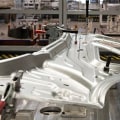
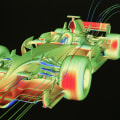
Custom race car builds are designed to deliver exceptional speed, precision, and performance under demanding track conditions. Unlike standard passenger vehicles, these machines often feature modified engines, lightweight body panels, specialized suspension systems, and advanced aerodynamic components. Each modification introduces specific maintenance requirements that help preserve reliability and functionality. Cleaning also becomes more complicated because racing vehicles encounter rubber debris, oil residue, brake dust, and other contaminants during competitive events. Understanding these specialized needs allows owners and racing teams to establish appropriate maintenance routines that protect expensive components while supporting consistent performance throughout the racing season.
Protecting Custom Bodywork and Specialized Finishes
Many custom race cars feature carbon fiber panels, fiberglass components, vinyl wraps, and specialized paint finishes that require careful handling. Conventional cleaning methods may cause scratches, discoloration, or damage to delicate surfaces. Gentle handwashing with microfiber mitts and compatible automotive cleaning solutions can help remove contaminants without compromising protective coatings. General automotive cleaning services, such as Drew's Car Wash, highlight the importance of routine exterior cleanliness, although heavily modified racing vehicles may require specialized detailing methods. Owners should also inspect aerodynamic components, including splitters, spoilers, and diffusers, for damage or loose mounting hardware during cleaning sessions.
Maintaining High-Performance Engines and Cooling Systems
Custom racing engines frequently operate under extreme temperatures and mechanical stress, making preventive maintenance especially important. Regular inspections of engine oil, coolant, fuel lines, and filtration systems help identify potential problems before they affect performance. Modified cooling systems may contain additional radiators, intercoolers, and specialized hoses that require careful examination. Cleaning accumulated debris from cooling surfaces supports proper airflow and temperature management. However, high-pressure water should be avoided around sensitive electrical connections and exposed components. Following engine builder recommendations ensures maintenance procedures remain appropriate for each vehicle's configuration.
Cleaning Wheels, Brakes, and Suspension Components
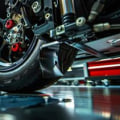
Racing wheels and braking systems experience significant exposure to heat, friction, and debris. Brake dust, rubber particles, and track contaminants can accumulate around calipers, rotors, and wheel assemblies. Cleaning these areas requires products compatible with specialized wheel finishes and high-performance braking materials. Carbon-ceramic braking systems may have different maintenance requirements from conventional steel components. Suspension components should also be inspected for leaks, damaged seals, and loose connections. Removing accumulated dirt makes mechanical defects easier to identify and helps technicians evaluate component condition.
Addressing Interior Safety Equipment and Electronics
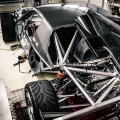
Race car interiors often contain roll cages, racing harnesses, fire suppression systems, digital displays, and electronic control units. Cleaning these components requires caution because excessive moisture and unsuitable chemicals can interfere with sensitive equipment. Vacuuming loose debris and using appropriate cleaning materials helps maintain interior cleanliness without damaging electronics. Safety harnesses and protective equipment should be inspected according to manufacturer guidelines rather than treated with ordinary interior cleaning products.
Establishing a Specialized Maintenance Routine
Custom race cars benefit from structured maintenance schedules based on operating hours, track conditions, and component specifications. Pre-race inspections help identify mechanical concerns, while post-race evaluations reveal damage caused by demanding driving conditions. Teams should document servicing activities, monitor component wear, and replace parts according to manufacturer or builder recommendations. Ultimately, combining specialized cleaning techniques with thorough mechanical inspections helps protect custom racing investments, maintain dependable performance, and prepare vehicles for competitive motorsport events.