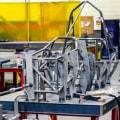
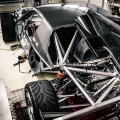
Race car fabrication is a critical aspect of motorsport engineering that directly influences a vehicle's performance on the track. It encompasses a range of processes, from the initial design phase to the final assembly, ensuring that every component is meticulously crafted to meet the rigorous demands of racing. The significance of race car fabrication cannot be overstated; it is the foundation upon which a race car's speed, handling, and overall efficiency are built. Without precise fabrication techniques, even the most advanced designs would fail to deliver optimal performance. At its core, race car design involves a delicate balance between aerodynamics, weight distribution, and structural integrity.
Fabricators must consider how each element interacts with others to achieve superior handling and steering capabilities. For instance, the choice of materials—whether lightweight composites or high-strength steel—can dramatically affect how a car responds to driver inputs. This is where the expertise of fabricators shines; they employ advanced technologies and methodologies to create components that not only fit perfectly but also enhance the car's dynamics. The importance of fabrication extends beyond mere aesthetics or functionality; it plays a pivotal role in safety as well. A well-fabricated race car can withstand the extreme conditions of racing while protecting its driver.
As we delve deeper into the intricacies of how race car fabricators ensure proper handling and steering, it becomes clear that their work is not just about building cars—it's about crafting machines that push the limits of speed and performance.
The Role of Chassis Design in Handling
The design of a race car's chassis plays a pivotal role in determining its handling characteristics. A well-engineered chassis not only supports the vehicle's weight but also influences how it responds to driver inputs, particularly during high-speed maneuvers.There are several types of chassis designs commonly used in race car fabrication, each with its own advantages:- Monocoque Chassis: This design integrates the body and chassis into a single unit, providing excellent rigidity and reducing weight. It enhances stability and allows for better aerodynamics.
- Space Frame Chassis: Constructed from a network of tubes, this design is lightweight and can be easily modified. It offers flexibility in tuning the car's handling by adjusting the suspension geometry.
- Tube Frame Chassis: Often used in stock car racing, this design allows for easy repairs and modifications.
Its robust structure can handle high stress, making it suitable for various racing conditions.
- Steel: Known for its strength and durability, steel is often used in tube frame designs. However, it is heavier than other materials.
- Aluminum: Lightweight and resistant to corrosion, aluminum is favored for its ability to reduce overall weight without sacrificing strength.
- Carbon Fiber: This advanced material offers exceptional strength-to-weight ratios, making it ideal for high-performance race cars. Its use can dramatically improve acceleration and cornering capabilities.
A well-designed chassis allows for precise steering response, enabling drivers to navigate tight corners with confidence. Additionally, the center of gravity and weight distribution are critical factors that influence how a car handles under various conditions.In conclusion, understanding the intricacies of chassis design is essential for race car fabricators aiming to optimize handling performance. By selecting the appropriate type and materials for the chassis, they can create vehicles that not only perform well on the track but also provide drivers with the control needed to push their limits.
Suspension Systems: Key to Steering Precision
In the world of race car fabrication, the suspension system plays a pivotal role in ensuring optimal steering precision. A well-designed suspension not only enhances the car's handling but also contributes significantly to its overall performance on the track.Components of Suspension Systems
- Springs: These are crucial for absorbing shocks and maintaining tire contact with the road.
Different types of springs, such as coil and leaf springs, can be used depending on the desired handling characteristics.
- Dampers: Also known as shock absorbers, dampers control the oscillation of the springs. They help stabilize the car during cornering and braking, ensuring that the tires remain in contact with the surface for better grip.
- Geometry Adjustments: The angles and positions of suspension components can be adjusted to optimize handling. This includes camber, caster, and toe settings, which affect how the tires interact with the road during various driving conditions.
The Impact on Steering Precision
A well-tuned suspension system directly influences steering precision. When a race car's suspension is properly calibrated, it allows for quicker response times and improved feedback to the driver.
This is essential during high-speed maneuvers where split-second decisions can make all the difference.Moreover, advanced technologies such as adjustable suspension systems enable fabricators to fine-tune settings based on specific track conditions. This adaptability ensures that drivers can maintain control and achieve optimal performance regardless of external factors.In conclusion, understanding and implementing effective suspension systems is vital in race car fabrication. By focusing on components like springs, dampers, and geometry adjustments, fabricators can significantly enhance a race car's handling capabilities and steering precision, ultimately leading to better race outcomes.
Weight Distribution and Its Impact on Handling
In the world of race car fabrication, achieving optimal weight distribution is crucial for enhancing a race car's handling dynamics. The way weight is distributed across the vehicle significantly influences its performance, particularly during cornering and acceleration.Weight distribution
refers to how the total weight of the car is spread across its four wheels.An ideal balance ensures that each tire maintains adequate contact with the track, which is essential for maximizing grip and stability. Fabricators often aim for a near 50/50 weight distribution between the front and rear axles, but this can vary based on the specific racing discipline and car design.To achieve this balance, fabricators employ several techniques:
- Component Placement: Strategically positioning heavy components such as the engine, transmission, and fuel tank can help in achieving desired weight distribution. For instance, moving the engine slightly rearward can enhance rear grip during acceleration.
- Material Selection: Utilizing lightweight materials like carbon fiber or aluminum reduces overall weight without compromising strength. This allows for more flexibility in weight distribution while maintaining structural integrity.
- Adjustable Ballast: Adding adjustable ballast allows teams to fine-tune weight distribution based on track conditions or driver preference.
This adaptability can be a game-changer in competitive racing scenarios.
Aerodynamics: Enhancing Stability at High Speeds
Aerodynamics plays a crucial role in race car fabrication, significantly influencing the vehicle's stability and handling at high speeds.As race cars reach velocities that can exceed 200 mph, the forces acting on them become increasingly complex, making aerodynamic design essential for optimal performance.One of the primary objectives of aerodynamic design is to generate downforce. This downward force increases the tire grip on the track, allowing drivers to navigate corners at higher speeds without losing control. Key components that contribute to downforce include:
- Front Splitters: These devices extend from the front of the car, directing airflow underneath and creating a low-pressure area that pulls the car down towards the track.
- Rear Wings: Positioned at the back, these wings are designed to manipulate airflow, generating significant downforce while balancing drag.
- Diffusers: Located at the rear underside of the car, diffusers help accelerate airflow, reducing pressure and enhancing downforce as air exits from beneath the vehicle.
By streamlining body shapes and incorporating features like vortex generators, fabricators can reduce drag coefficients, allowing for faster lap times.Moreover, effective aerodynamics contributes to high-speed stability. A stable race car is less likely to experience lift or unwanted movements that can lead to loss of control. Engineers often conduct extensive wind tunnel testing and computational fluid dynamics (CFD) simulations during the fabrication process to refine these aerodynamic features and ensure they perform as intended under various racing conditions.In conclusion, the integration of advanced aerodynamic principles in race car fabrication not only enhances downforce but also improves overall stability and handling at high speeds. This meticulous attention to detail is what separates competitive race cars from their less optimized counterparts.
Tire Selection and Alignment for Optimal Performance
In the world of race car fabrication, the selection of tires and their alignment is crucial for achieving optimal performance on the track.The right tires can significantly enhance a car's handling characteristics, while improper choices can lead to poor grip and compromised safety.
Tire Selection
- Track Conditions: Fabricators must consider the specific conditions of the track, such as surface type (asphalt or dirt), weather conditions (wet or dry), and temperature. For instance, softer compound tires may be preferred on hot days for better grip, while harder compounds might be used in cooler conditions to prevent excessive wear.
- Vehicle Setup: The overall setup of the race car, including weight distribution and suspension geometry, plays a vital role in tire selection. A well-balanced car will require tires that complement its design to maximize performance.
- Type of Racing: Different racing disciplines have unique requirements. For example, oval track racing may necessitate tires that provide high lateral grip, while road course racing might prioritize durability and consistent performance over long distances.
Alignment Settings
Once the appropriate tires are selected, fabricators focus on alignment settings to ensure that the tires perform optimally.
Proper alignment affects how the car handles during turns and straightaways. Key alignment parameters include:
- Camber: This refers to the angle of the tires relative to the ground. Negative camber can improve cornering grip but may reduce straight-line stability.
- Toe: The toe setting determines how much the tires point inward or outward when viewed from above. Adjusting toe can enhance responsiveness but must be balanced to avoid excessive tire wear.
- Caster: This angle affects steering feel and stability at high speeds.
A positive caster angle can improve straight-line stability but may require more effort to turn.
Testing and Tuning: The Final Steps in Fabrication
After the initial race car fabrication process is complete, the next critical phase involves rigorous testing and tuning. These steps are essential to ensure that the vehicle performs optimally on the track, particularly in terms of handling and steering.Testing Race Cars
- Track Testing: This involves taking the car to a racetrack where it can be pushed to its limits. Engineers and drivers assess how the car responds to various driving conditions, including acceleration, braking, and cornering.
- Data Acquisition: During testing, data is collected using advanced telemetry systems. This data includes metrics such as tire temperature, suspension travel, and steering input, which are crucial for understanding the car's performance.
- Driver Feedback: The insights from drivers are invaluable.
Their feedback on how the car feels during different maneuvers helps fabricators identify areas needing improvement.
Tuning for Performance
- Suspension Adjustments: Based on test results, adjustments may be made to the suspension setup. This can include changing spring rates or shock absorber settings to enhance grip and stability.
- Steering Geometry: Fine-tuning the steering geometry is crucial for achieving precise handling. Adjustments to caster, camber, and toe angles can significantly impact how the car responds to driver inputs.
- Aerodynamic Tweaks: The aerodynamic profile of the car may also be adjusted during this phase. Modifications to wings and bodywork can improve downforce and reduce drag, enhancing overall performance.
By meticulously refining every aspect of handling and steering through this process, fabricators play a pivotal role in a race car's success.
Common FAQs About Race Car Fabrication and Handling
When it comes to race car fabrication, many enthusiasts and newcomers have questions about how the process affects handling and steering. Here are some common FAQs that can help clarify these important aspects:- What is the role of chassis design in handling?
The chassis is the backbone of a race car. A well-designed chassis ensures that weight distribution is optimal, which directly impacts handling. A lower center of gravity can enhance stability during high-speed turns. - How does suspension affect steering?
The suspension system plays a crucial role in how a race car responds to steering inputs.Properly fabricated suspension components allow for better shock absorption and improved tire contact with the track, leading to enhanced steering precision.
- What materials are best for race car fabrication?
Lightweight materials such as carbon fiber and aluminum are often used in race car fabrication. These materials not only reduce overall weight but also contribute to better handling characteristics by allowing for more agile maneuvering. - Can improper fabrication lead to steering issues?
Absolutely. If components are not fabricated to precise specifications, it can result in misalignment or uneven weight distribution, leading to poor handling and unpredictable steering behavior. - How often should I check my race car's handling?
Regular checks are essential, especially before races. Factors like tire wear, suspension settings, and alignment should be monitored frequently to ensure optimal performance.
By addressing these common questions, we hope to provide clarity on how fabrication impacts handling and steering in race cars.
Conclusion: The Art and Science of Race Car Fabrication
In conclusion, the intricate world of race car fabrication is a blend of art and science, where precision engineering meets creative design. Throughout this article, we have explored the multifaceted approaches that fabricators employ to ensure optimal handling and steering in race cars. Each component, from the chassis to the suspension system, plays a critical role in the overall performance of the vehicle.One of the key takeaways is the importance of material selection. The choice of lightweight yet durable materials not only enhances speed but also contributes to better handling dynamics.Fabricators often utilize advanced composites and alloys that provide strength without adding unnecessary weight.Moreover, the geometry of the suspension is meticulously designed to optimize tire contact with the track. This involves precise calculations and adjustments to camber, caster, and toe angles, ensuring that each wheel performs at its best under various racing conditions.Additionally, we cannot overlook the significance of testing and tuning. Race car fabricators conduct extensive simulations and on-track testing to fine-tune every aspect of the vehicle's handling characteristics. This iterative process allows for real-time adjustments that can make all the difference during a race.Ultimately, successful race car fabrication is about achieving a delicate balance between speed, control, and driver comfort.
As technology continues to evolve, so too will the methods employed by fabricators, pushing the boundaries of what is possible in motorsport.In summary, understanding the nuances of race car fabrication is essential for anyone looking to appreciate or participate in the world of competitive racing. The dedication to precision and performance ensures that every race car is not just a machine but a finely-tuned instrument capable of extraordinary feats on the track.