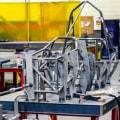
Race car fabrication is a meticulous process that combines engineering precision with innovative design to create vehicles capable of withstanding the extreme demands of motorsport. At its core, race car fabrication involves the construction and assembly of various components, ensuring that each part works harmoniously to deliver optimal performance on the track. This intricate process not only focuses on speed but also emphasizes safety, durability, and handling, making it a critical aspect of any successful racing endeavor. Understanding the nuances of race car building is essential for anyone looking to delve into the world of competitive racing. From selecting the right materials to employing advanced fabrication techniques, every decision impacts the car's overall performance.
The integration of technology and traditional craftsmanship plays a vital role in achieving the desired balance between weight and strength, which is crucial for high-speed racing. As we explore the car fabrication process, it becomes evident that one of the most significant elements is the suspension system. This component not only affects how a car handles but also influences tire wear, driver comfort, and overall vehicle dynamics. By understanding how suspension systems factor into race car fabrication, builders can create vehicles that not only meet but exceed the rigorous standards of modern motorsports.
The Basics of Suspension Systems
Understanding the basics of suspension systems is essential for anyone involved in race car fabrication. A suspension system is designed to maximize the contact between the tires and the road, ensuring optimal handling, stability, and comfort during high-speed maneuvers.It plays a critical role in how a race car performs on the track.
Purpose of Suspension Systems
The primary purpose of a suspension system is to absorb shocks from the road surface and maintain tire contact with the ground. This is crucial for maintaining traction, especially during cornering and braking. A well-designed suspension system can significantly enhance a car's performance by improving its responsiveness and stability.Types of Suspension Systems
There are several types of suspension systems commonly used in race cars, each with its own advantages:- Independent Suspension: This type allows each wheel to move independently, providing better handling and comfort. It is often used in high-performance vehicles.
- Solid Axle Suspension: Commonly found in drag racing cars, this system connects both rear wheels, which can improve traction but may compromise handling.
- Double Wishbone Suspension: This design offers excellent control over wheel movement and is favored in many racing applications for its adjustability.
- MacPherson Strut: A simpler design that combines a shock absorber and spring into one unit, often used in front suspensions for its compactness.
Key Components of Suspension Systems
A suspension system consists of several key components that work together to provide optimal performance:- Shock Absorbers: These dampen the impact of bumps and vibrations, helping to maintain tire contact with the road.
- Springs: Springs support the weight of the vehicle and absorb energy from road irregularities.
- A-arms: These control the movement of the wheels and help maintain proper alignment during driving.
- Sway Bars: These reduce body roll during cornering, enhancing stability and control.
The right choice of suspension type and components can dramatically influence a race car's performance on the track, making it an area that deserves careful consideration during the design process.
How Suspension Systems Impact Race Car Performance
The suspension system of a race car plays a crucial role in determining its overall performance on the track. A well-designed suspension not only enhances handling but also contributes to the car's stability and responsiveness during high-speed maneuvers.Different types of suspension setups can significantly affect how a race car behaves. For instance, a stiff suspension may provide better handling on smooth tracks, allowing for quicker cornering and reduced body roll. However, this setup can lead to a harsher ride, which might be detrimental on bumpy surfaces.Conversely, a softer suspension can absorb shocks better, improving traction and comfort but may compromise handling precision.
Suspension Tuning
Suspension tuning is an essential aspect of race car fabrication that involves adjusting various components to achieve the desired performance characteristics. This process includes modifying spring rates, shock absorber settings, and anti-roll bars to optimize the car's behavior under different conditions.- Spring Rates: Choosing the right spring rates is vital for achieving the desired balance between grip and stability.
- Dampers: Adjustable dampers allow teams to fine-tune how quickly the suspension reacts to road imperfections.
- Alignment Settings: Proper alignment can enhance tire contact with the road, improving both grip and handling.
By carefully selecting and tuning suspension components, teams can significantly enhance their vehicles' handling characteristics and overall competitiveness on the track.
Design Considerations for Suspension in Race Car Fabrication
When it comes to race car fabrication, the integration of a well-designed suspension system is crucial for optimizing performance and handling. Engineers must consider several key factors to ensure that the suspension not only supports the vehicle's weight but also enhances its agility and stability on the track.- Weight Distribution: Proper weight distribution is essential in race car design. A well-balanced suspension system helps maintain optimal contact between the tires and the track, improving traction and cornering capabilities. Engineers often use adjustable components to fine-tune weight distribution based on specific racing conditions.
- Suspension Geometry: The geometry of the suspension affects how the car handles during acceleration, braking, and cornering.
Engineers must carefully design the angles and lengths of suspension arms to achieve desired camber, caster, and toe settings. This ensures that the tires maintain optimal contact with the road surface throughout various driving conditions.
- Material Selection: The choice of materials for suspension components plays a significant role in performance. Lightweight materials such as aluminum or carbon fiber can reduce overall vehicle weight while maintaining strength and rigidity. This is particularly important in race car fabrication, where every ounce counts.
- Damping and Spring Rates: The selection of appropriate damping and spring rates is vital for controlling how the car reacts to bumps and road imperfections.
Engineers must consider factors such as track surface, tire characteristics, and driver preferences when determining these rates to ensure optimal handling.
- Adjustability: Many race teams opt for adjustable suspension systems that allow for quick changes between races or even during practice sessions. This flexibility enables teams to adapt to varying track conditions and driver feedback, enhancing overall performance.
Common Suspension Systems Used in Race Cars
When it comes to race car fabrication, the choice of suspension system plays a crucial role in determining a vehicle's performance on the track. Different types of suspension systems offer unique advantages and disadvantages, making it essential for race car builders to understand their options.Types of Race Car Suspensions
- Coilover Suspension: This system utilizes a coil spring and shock absorber combined into a single unit.
Coilovers are popular in racing due to their adjustability, allowing drivers to fine-tune ride height and damping settings for optimal performance.
- Air Suspension: Air suspension systems use air bags instead of traditional springs. They provide adjustable ride height and can offer a smoother ride, but may lack the stiffness required for high-performance racing.
- Independent Suspension: In this setup, each wheel moves independently, which enhances traction and handling. Independent suspensions are commonly found in modern race cars, as they allow for better cornering performance.
- Solid Axle Suspension: This system connects both wheels on an axle, providing simplicity and durability. While solid axles can be advantageous for drag racing due to their strength, they often compromise handling in road racing scenarios.
Coilover vs.
Air SuspensionThe debate between coilover and air suspension is ongoing among racers. Coilovers are favored for their precise control and responsiveness, making them ideal for competitive environments. In contrast, air suspension offers versatility and comfort but may not provide the same level of performance under extreme conditions.
Independent vs. Solid Axle
Choosing between independent and solid axle suspensions depends on the type of racing.Independent systems excel in road racing due to their superior handling characteristics, while solid axles are often preferred in drag racing for their robustness and ability to handle high power outputs.Ultimately, the selection of a suspension system is a critical aspect of race car fabrication, influencing not only the car's performance but also its overall design and engineering considerations.
The Role of Materials in Suspension System Fabrication
In the realm of race car fabrication, the choice of materials for suspension systems is critical to achieving optimal performance and durability. The suspension system is responsible for maintaining tire contact with the road, absorbing shocks, and providing stability during high-speed maneuvers. Therefore, selecting the right materials can significantly influence a race car's handling characteristics and overall efficiency.Key Suspension Materials
- Aluminum: Lightweight and strong, aluminum is a popular choice for suspension components. Its low density helps reduce the overall weight of the vehicle, which is crucial in racing where every ounce counts.
- Carbon Fiber: Known for its exceptional strength-to-weight ratio, carbon fiber is increasingly used in high-performance racing applications.
It offers superior stiffness and can be molded into complex shapes, allowing for innovative designs that enhance aerodynamics.
- Steel: While heavier than aluminum or carbon fiber, steel is often used in suspension systems due to its durability and cost-effectiveness. High-strength steel alloys can provide the necessary rigidity while still being manageable in terms of weight.
Lightweight Materials in Racing
The trend towards using lightweight materials in racing is driven by the need for speed and agility. Reducing weight not only improves acceleration but also enhances braking performance and cornering stability. Engineers are constantly exploring advanced composites and alloys that can deliver strength without adding bulk.Material Selection Considerations
When selecting materials for suspension systems, several factors must be considered:- Performance Requirements: The material must meet specific performance criteria such as stiffness, fatigue resistance, and thermal stability.
- Cost: While high-performance materials like carbon fiber offer advantages, they can be prohibitively expensive.
Balancing cost with performance is essential.
- Manufacturability: The chosen material should be compatible with existing manufacturing processes to ensure efficient production without compromising quality.
Suspension Tuning for Optimal Performance
When it comes to race car fabrication, the tuning of the suspension system is crucial for achieving optimal performance on various tracks and under different conditions. Proper suspension tuning can significantly affect a car's handling, stability, and overall speed. Here are some essential suspension tuning tips to consider:- Understand Track Conditions: Different tracks present unique challenges, from tight corners to long straights.
Adjusting your suspension settings based on the specific characteristics of the track can enhance grip and control.
- Adjust Ride Height: Lowering the ride height can improve aerodynamics and center of gravity, but be cautious not to compromise suspension travel. A balanced ride height is key for maintaining traction.
- Tune Spring Rates: The stiffness of your springs affects how the car reacts to bumps and weight transfer. Softer springs may provide better grip on uneven surfaces, while stiffer springs can enhance responsiveness on smooth tracks.
- Dampening Settings: Adjusting the dampers (shocks) is vital for controlling how quickly the suspension reacts to road imperfections. Fine-tuning these settings can help maintain tire contact with the track, improving stability.
- Camber and Toe Angles: These alignment settings influence tire wear and grip.
Negative camber can increase cornering performance, while toe adjustments can enhance straight-line stability or cornering response.
By carefully adjusting your suspension settings based on track conditions and vehicle dynamics, you can maximize your race car's potential and gain a competitive edge on the track.
FAQs About Suspension Systems in Race Car Fabrication
When it comes to race car fabrication, understanding the role of suspension systems is crucial. Here are some frequently asked questions that can help clarify their importance:- What is the primary function of a suspension system in a race car?
The suspension system is designed to maximize tire contact with the road, ensuring optimal grip and handling. It absorbs shocks from the track surface, providing stability and comfort for the driver. - How do different types of suspension systems affect race car performance?
There are several types of suspension systems, including independent, solid axle, and multi-link. Each type offers unique advantages.For instance, independent suspensions allow for better handling and traction during cornering, while solid axles can provide greater durability on rough tracks.
- What materials are commonly used in race car suspension fabrication?
High-performance race cars often utilize lightweight materials such as aluminum, carbon fiber, and titanium. These materials help reduce weight without compromising strength, which is essential for speed and agility on the track. - How does suspension tuning impact a race car's performance?
Tuning the suspension involves adjusting settings like ride height, damping, and spring rates to suit specific track conditions. Proper tuning can significantly enhance a car's handling characteristics, allowing drivers to maintain higher speeds through corners. - Can I upgrade my race car's suspension system?
Yes, upgrading your suspension system is a common practice in race car fabrication. Many racers opt for aftermarket components that offer improved performance and adjustability, allowing for better customization based on driving style and track requirements.
By addressing these common questions, we hope to shed light on how critical these systems are in the realm of race car fabrication.
Conclusion: The Integral Role of Suspension Systems in Race Car Fabrication
In conclusion, the role of suspension systems in race car fabrication cannot be overstated. Throughout the article, we have explored how these systems are not merely components but rather the backbone of a race car's performance and handling capabilities. A well-designed suspension system enhances traction, stability, and driver control, which are critical factors in competitive racing.To summarize the key points:- Performance Optimization: Suspension systems are engineered to optimize the car's performance on various track surfaces, allowing for better cornering and acceleration.
- Weight Distribution: The design and materials used in suspension systems contribute significantly to the overall weight distribution of the vehicle, impacting its center of gravity and handling characteristics.
- Customization: Race teams often customize suspension setups to suit specific tracks or driving styles, demonstrating the importance of adaptability in race car fabrication.
- Safety Considerations: A robust suspension system also plays a vital role in ensuring driver safety by maintaining vehicle stability at high speeds.
In the world of racing, where every millisecond counts, a superior suspension system can be the difference between victory and defeat.