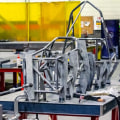
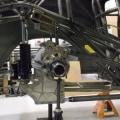
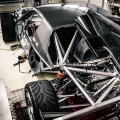
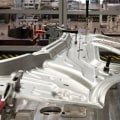
The world of race car fabrication has undergone a remarkable transformation over the years, driven largely by advancements in technology. As racing enthusiasts and professionals alike know, the performance of a race car is not solely dependent on the driver’s skill; it is equally influenced by the precision and innovation embedded in its design and construction. From the materials used to the techniques employed, technology plays a pivotal role in shaping how race cars are built, optimized, and ultimately perform on the track. Modern technology in racing has introduced a plethora of tools and methodologies that enhance every aspect of race car fabrication. For instance, computer-aided design (CAD) software allows engineers to create intricate designs with unparalleled accuracy, enabling them to simulate performance under various conditions before any physical work begins.
Additionally, advancements in materials science have led to the development of lightweight yet durable composites that improve speed and handling without compromising safety. As we delve deeper into this topic, it becomes clear that the intersection of advancements in race car design and fabrication processes is not just about speed; it’s about innovation that pushes the boundaries of what is possible. The integration of technologies such as 3D printing and automated manufacturing processes has revolutionized how components are produced, allowing for rapid prototyping and customization that were once unimaginable. This evolution not only enhances performance but also fosters a culture of continuous improvement within the racing community.
Historical Overview of Race Car Fabrication Techniques
The history of race car fabrication is a fascinating journey that reflects the evolution of technology and engineering practices over the decades. In the early days of motorsport, race cars were often constructed using rudimentary techniques and materials.Fabricators relied heavily on traditional fabrication methods such as hand-welding and basic metalworking skills. These methods were labor-intensive and required a high level of craftsmanship, as each component was meticulously crafted to ensure performance and safety.During the mid-20th century, the introduction of new materials like aluminum and fiberglass began to change the landscape of race car fabrication. These materials offered a significant weight advantage over traditional steel, allowing for faster and more agile vehicles. The use of fiberglass in particular revolutionized bodywork, enabling designers to create more aerodynamic shapes that improved speed and handling.As technology progressed, the 1980s and 1990s saw the rise of computer-aided design (CAD) software, which transformed the way engineers approached race car design.
This shift allowed for more precise measurements and complex geometries that were previously difficult to achieve with manual methods. The ability to simulate performance through computer modeling also meant that teams could test various designs virtually before committing to physical prototypes.Today, the evolution of race cars continues with advancements in materials science, such as carbon fiber composites, which provide exceptional strength-to-weight ratios. The integration of 3D printing technology is also beginning to play a role in race car fabrication, allowing for rapid prototyping and customization of parts that were once time-consuming to produce.This historical overview not only highlights the traditional fabrication methods but also sets the stage for understanding how far the industry has come. Each advancement in technology has built upon the last, leading to the highly sophisticated race cars we see on tracks today.
Modern Technologies Revolutionizing Race Car Fabrication
The landscape of race car fabrication has undergone a significant transformation due to the integration of modern technologies.These advancements not only enhance performance but also streamline the manufacturing process, making it more efficient and precise.
CNC Machining
CNC machining (Computer Numerical Control) has become a cornerstone in the fabrication of race cars. This technology allows for the automated control of machining tools via computer programming, resulting in highly accurate and repeatable parts. Components such as engine blocks, suspension parts, and chassis elements can be produced with minimal human intervention, reducing the risk of errors and improving overall quality. The ability to create complex geometries that were once impossible with traditional machining methods is a game-changer for engineers and designers.3D Printing in Racing
3D printing, or additive manufacturing, is another revolutionary technology impacting race car fabrication.This method enables the rapid prototyping of parts, allowing teams to test and iterate designs quickly. From intricate components like air ducts to entire chassis sections, 3D printing offers unparalleled flexibility. Moreover, it reduces material waste and can produce lightweight structures that enhance performance on the track. As materials continue to evolve, the potential for 3D printing in racing applications is vast.
Advanced Composite Materials
The use of composite materials has surged in race car fabrication due to their superior strength-to-weight ratio.Materials such as carbon fiber and Kevlar are now commonplace in high-performance vehicles. These composites not only contribute to weight reduction but also improve aerodynamics and safety. The ability to mold these materials into complex shapes allows for innovative designs that can withstand the extreme conditions of racing.In conclusion, the integration of CNC machining, 3D printing, and advanced composite materials is revolutionizing race car fabrication. These technologies are not just enhancing performance; they are redefining what is possible in the world of motorsports.
The Role of Computer-Aided Design (CAD) in Race Car Fabrication
In the realm of race car fabrication, the advent of Computer-Aided Design (CAD) has revolutionized the way engineers and designers approach the creation of high-performance vehicles.CAD software allows for precise modeling and simulation, enabling teams to visualize their designs in a virtual environment before any physical work begins.
Benefits of CAD in Race Car Design
- Enhanced Precision: CAD tools provide unparalleled accuracy in measurements and dimensions, which is crucial for components that must fit together perfectly under extreme conditions.
- Rapid Prototyping: With CAD, teams can quickly create prototypes using digital fabrication techniques such as 3D printing. This accelerates the testing phase, allowing for faster iterations and improvements.
- Cost Efficiency: By identifying potential design flaws early in the process, CAD minimizes costly errors during fabrication, ultimately saving time and resources.
- Collaboration: CAD software often includes features that facilitate collaboration among team members, allowing multiple engineers to work on a design simultaneously, regardless of their physical location.
This predictive analysis is invaluable in the high-stakes world of racing, where every millisecond counts. By utilizing these advanced tools, teams can optimize aerodynamics, weight distribution, and structural integrity before a single piece of material is cut.In conclusion, the role of Computer-Aided Design in race car fabrication cannot be overstated. It not only streamlines the design process but also enhances performance and safety, making it an indispensable tool in modern motorsport engineering.
Impact of Automation and Robotics on Fabrication Processes
The integration of automation and robotics in the race car fabrication process has revolutionized the industry, leading to significant improvements in both efficiency and precision. As teams strive for competitive advantages, the adoption of these technologies has become essential.Automation in Race Car Manufacturing
- Streamlined Production: Automated systems can handle repetitive tasks such as welding, painting, and assembly with remarkable speed and consistency.
This not only reduces the time required for each build but also minimizes human error.
- Cost Efficiency: By reducing labor costs and increasing production rates, automation allows teams to allocate resources more effectively. This is particularly crucial in a sport where every second counts.
- Data-Driven Decisions: Automated systems can collect and analyze data in real-time, providing insights that help engineers make informed decisions about design and fabrication processes.
Robotics in Fabrication
- Precision Engineering: Robotic arms equipped with advanced sensors can perform intricate tasks with a level of accuracy that surpasses manual labor. This precision is vital for components that must withstand extreme conditions during races.
- Customization: Robotics enable rapid prototyping and customization of parts, allowing teams to quickly adapt their designs based on performance feedback or regulatory changes.
- Safety Improvements: By taking over hazardous tasks, robots enhance workplace safety, allowing human workers to focus on more complex and creative aspects of race car design.
Sustainability and Eco-Friendly Practices in Race Car Fabrication
As the automotive industry evolves, the focus on sustainability and eco-friendly practices in race car fabrication has become increasingly significant.With growing environmental concerns, manufacturers are exploring innovative ways to reduce their carbon footprint while maintaining high performance standards.One of the primary shifts in race car fabrication is the adoption of eco-friendly materials. Traditional materials like steel and aluminum are being replaced or supplemented with advanced composites and bio-based materials. These alternatives not only offer weight savings, which can enhance speed and efficiency, but also come from renewable sources, reducing reliance on fossil fuels.
Green Technology in Racing
The integration of green technology in racing is another crucial aspect of sustainable race car fabrication. For instance, manufacturers are increasingly utilizing 3D printing to create components that minimize waste and allow for rapid prototyping.This technology enables engineers to design parts that are both lightweight and strong, optimizing performance while adhering to sustainability goals.Moreover, advancements in electric vehicle (EV) technology are reshaping the landscape of race car fabrication. Electric race cars not only produce zero emissions during operation but also encourage the development of more efficient battery technologies and energy recovery systems. This shift towards electrification is prompting teams to rethink their entire approach to design and fabrication.
- Recyclable Materials: Many teams are now using materials that can be recycled at the end of a car's life cycle, further promoting sustainability.
- Sustainable Manufacturing Processes: Techniques such as closed-loop water systems and energy-efficient machinery are being implemented to reduce waste and energy consumption.
- Collaboration with Eco-Conscious Brands: Partnerships with companies focused on sustainability can lead to innovative solutions that benefit both performance and the environment.
Future Trends: What’s Next for Race Car Fabrication?
As we look to the future, the landscape of race car fabrication is poised for transformative changes driven by technological advancements.Several key trends are emerging that promise to redefine how race cars are built and optimized for performance.
1.Advanced Materials
The use of composite materials is expected to expand significantly. Innovations in carbon fiber and other lightweight composites will not only reduce the overall weight of race cars but also enhance their strength and durability. This shift will allow engineers to design more aerodynamic shapes without compromising structural integrity.2.Automation and Robotics
Automation in the fabrication process is becoming increasingly prevalent.Robotic systems
can perform tasks with precision and speed that surpass human capabilities, leading to more consistent quality in components.This trend will likely reduce production times and costs, enabling teams to focus on fine-tuning performance rather than basic assembly.
3.3D Printing Technology
3D printing is revolutionizing the way parts are manufactured, allowing for rapid prototyping and customization. Teams can create complex geometries that were previously impossible with traditional methods, leading to innovative designs that enhance performance. As this technology matures, we can expect a wider adoption in the racing industry.4.Data-Driven Fabrication
The integration of data analytics into the fabrication process will enable teams to make informed decisions based on real-time performance metrics. By analyzing data from previous races, engineers can refine their fabrication techniques to produce components that better meet the demands of specific tracks and conditions.5.Sustainability Initiatives
As environmental concerns grow, the racing industry is likely to embrace more sustainable practices in race car fabrication.This includes using eco-friendly materials and processes that minimize waste and energy consumption. Innovations aimed at reducing the carbon footprint of race cars will not only appeal to fans but also align with global sustainability goals.In conclusion, the future of race car technology and fabrication processes is bright, with numerous innovations on the horizon. By staying ahead of these trends, manufacturers and teams can ensure they remain competitive in an ever-evolving landscape.
FAQs About Race Car Fabrication and Technology Advancements
As technology continues to evolve, many enthusiasts and professionals in the racing industry have questions about how these advancements affect race car fabrication. Below are some frequently asked questions that address these concerns.What are the latest technologies used in race car fabrication?
Recent advancements in race car fabrication include the use of 3D printing, which allows for rapid prototyping and the creation of complex parts that were previously difficult to manufacture.Additionally, CNC machining has become more precise, enabling manufacturers to produce lightweight yet durable components. The integration of composite materials has also revolutionized the industry, providing strength without adding excessive weight.
How does technology improve safety in race car fabrication?
Safety is a top priority in racing, and technological advancements play a crucial role. Modern race car fabrication techniques utilize advanced materials that can absorb impact better than traditional metals. Innovations such as crash simulation software allow engineers to test designs virtually before physical production, ensuring that safety features are optimized.Can technology reduce costs in race car fabrication?
Yes, while initial investments in technology can be high, long-term savings are often realized through increased efficiency and reduced waste.Automated processes in race car fabrication, such as robotic welding and laser cutting, minimize human error and speed up production times, ultimately lowering costs.
What role does data analytics play in race car design?
Data analytics is becoming increasingly important in the racing world. By analyzing performance data from previous races, teams can make informed decisions about design modifications and material choices during the fabrication process. This data-driven approach helps teams stay competitive by continuously improving their vehicles.If you have more questions about how technology impacts race car fabrication, feel free to reach out to industry experts or consult specialized resources for deeper insights.Conclusion: The Future of Race Car Fabrication Through Technology
As we look towards the future of race car fabrication, it is clear that advancements in technology will continue to play a pivotal role in shaping the industry. The integration of cutting-edge tools and techniques not only enhances performance but also revolutionizes the way race cars are designed and built.Throughout this article, we have explored several key areas where technology is making a significant impact:- 3D Printing: This technology allows for rapid prototyping and the creation of complex components that were previously impossible to manufacture.
It reduces lead times and costs, enabling teams to innovate more freely.
- Computer-Aided Design (CAD): CAD software has transformed the design process, allowing engineers to visualize and test their ideas in a virtual environment before physical production. This leads to more efficient designs and fewer errors.
- Advanced Materials: The use of lightweight and durable materials, such as carbon fiber and titanium alloys, has improved the performance and safety of race cars. These materials are often developed using advanced manufacturing techniques that enhance their properties.
- Data Analytics: The ability to collect and analyze data from various sensors during races provides teams with insights that can inform design improvements and strategic decisions.
The ongoing evolution of fabrication processes will undoubtedly lead to faster, safer, and more efficient race cars, ensuring that the thrill of racing continues to captivate fans around the world.