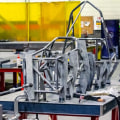
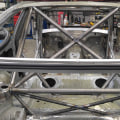
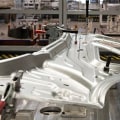
Race car fabrication is a specialized field within the automotive industry that focuses on the design and construction of high-performance vehicles. This intricate process involves a combination of engineering, materials science, and craftsmanship to create cars that can withstand the extreme conditions of competitive racing. Understanding race car fabrication is essential for anyone interested in motorsports, as it lays the foundation for how these machines are built to achieve maximum speed, agility, and safety on the track. The significance of race car fabrication cannot be overstated. It encompasses everything from the selection of lightweight materials to the precision engineering of components that must work in harmony under intense pressure.
Each element, whether it’s the chassis, suspension, or engine, is meticulously crafted to ensure optimal performance. This level of detail is what separates a winning race car from its competitors, making precision in fabrication not just important but critical. Moreover, as technology advances, the methods and materials used in race car fabrication continue to evolve. Innovations such as carbon fiber composites and advanced welding techniques have revolutionized how race cars are built, allowing for lighter and stronger structures. This evolution highlights the ongoing importance of precision in every aspect of fabrication, as even the smallest error can lead to catastrophic failures on the racetrack.
As we delve deeper into this topic, we will explore how precision impacts not only performance but also safety and reliability in race car design.
The Fundamentals of Precision in Fabrication
In the world of race car fabrication, precision is not just a luxury; it is a necessity. The performance and safety of a race car hinge on the meticulous attention to detail during the fabrication process. Achieving high levels of accuracy involves a combination of advanced techniques and specialized tools that ensure every component fits perfectly and functions optimally.Precision engineering
is at the heart of race car fabrication. This discipline focuses on creating components that meet strict tolerances, which is crucial for parts that must endure extreme conditions.For instance, the chassis must be constructed with exact measurements to maintain structural integrity while minimizing weight. Any deviation can lead to catastrophic failures on the track.
Key Fabrication Techniques
- CNC Machining: Computer Numerical Control (CNC) machining allows for highly accurate cuts and shapes in metal and composite materials. This technology enables fabricators to produce complex geometries that are essential for modern race car designs.
- Tig Welding: Tungsten Inert Gas (TIG) welding is preferred in race car fabrication due to its ability to create strong, clean welds. This technique is vital for joining components without compromising their strength or integrity.
- Laser Cutting: Laser cutting provides precision cuts with minimal material loss, making it ideal for intricate designs and lightweight components.
Materials such as carbon fiber, aluminum alloys, and titanium are commonly used due to their favorable strength-to-weight ratios. The selection of these materials must align with the specific performance requirements of the race car.In conclusion, the importance of precision in race car fabrication cannot be overstated. It encompasses a range of techniques and tools that work together to ensure that every part of the vehicle contributes to its overall performance and safety. As technology continues to evolve, so too will the methods used in precision engineering, pushing the boundaries of what is possible in race car design and fabrication.
Impact of Precision on Performance
In the world of race car fabrication, precision is not just a luxury; it is a necessity that directly influences a car's performance on the track.Every component, from the chassis to the suspension, must be crafted with meticulous attention to detail. This precision ensures that all parts fit together seamlessly, which is crucial for achieving optimal speed and handling.
Performance Impact
- Speed: A precisely fabricated race car can achieve higher speeds due to reduced drag and improved aerodynamics. When components are manufactured to exact specifications, they work together more efficiently, allowing the car to cut through the air with minimal resistance.
- Handling Characteristics: Precision in fabrication also enhances a car's handling. When suspension components are aligned correctly and chassis rigidity is maximized, drivers experience better control and responsiveness.
This means they can navigate turns more effectively, maintaining speed without losing stability.
- Safety: Beyond performance, precision plays a critical role in safety. A well-fabricated race car minimizes the risk of mechanical failures during high-speed races. Components that are not manufactured accurately can lead to catastrophic failures, endangering both the driver and other participants on the track.
This technological advancement not only improves performance but also reduces weight, further enhancing speed and agility.In conclusion, the impact of precision on race car performance cannot be overstated. It is a fundamental aspect that influences speed, handling characteristics, and safety—elements that are vital for success in competitive racing environments.
Materials and Their Role in Precision Fabrication
In the world of race car fabrication, the choice of materials is crucial for achieving the precision and performance required on the track. The right materials not only contribute to the overall weight of the vehicle but also enhance its strength and durability, which are essential for high-speed racing.Lightweight Materials
- Carbon Fiber: Known for its exceptional strength-to-weight ratio, carbon fiber is a popular choice in race car fabrication. It allows for the construction of lightweight components without compromising structural integrity.
- Aluminum: This metal is favored for its lightweight properties and resistance to corrosion.
Aluminum components can be easily shaped and welded, making it ideal for various parts of a race car.
- Titanium: Although more expensive, titanium offers superior strength and is often used in critical areas where durability is paramount. Its lightweight nature makes it a valuable asset in high-performance applications.
Strength and Durability
The materials used in race car fabrication must withstand extreme conditions, including high speeds, intense vibrations, and temperature fluctuations. For instance, steel is often used in roll cages due to its ability to absorb impact energy, providing safety without adding excessive weight. Additionally, advanced composites are increasingly being utilized to enhance both performance and safety.Ultimately, the selection of materials directly impacts the precision of fabrication processes.
Engineers must consider factors such as tensile strength, fatigue resistance, and thermal stability when choosing materials. This meticulous attention to detail ensures that every component not only fits perfectly but also performs optimally under race conditions.
Technological Advances Enhancing Precision
In the realm of race car fabrication, precision is paramount, and recent technological advances have significantly enhanced this aspect. Innovations such as CNC machining and 3D printing are at the forefront of this evolution, allowing manufacturers to achieve levels of accuracy that were previously unattainable.CNC Machining: The Backbone of Precision
CNC (Computer Numerical Control) machining has revolutionized the way components are manufactured in the racing industry. This technology utilizes computer-controlled tools to create parts with exceptional precision.The ability to produce complex geometries with tight tolerances means that every component can be tailored to meet the specific demands of a race car's performance. For instance, CNC machining allows for the creation of lightweight yet durable parts, which are crucial for enhancing speed and handling.
The Role of 3D Printing in Racing
3D printing, or additive manufacturing, is another groundbreaking technology that has transformed race car fabrication. This method enables engineers to quickly prototype and produce parts directly from digital models. The flexibility of 3D printing allows for rapid iteration and testing, which is essential in a sport where milliseconds can determine victory or defeat.Additionally, 3D printing can produce intricate designs that traditional manufacturing methods cannot achieve, leading to innovative solutions for weight reduction and aerodynamics.
- Rapid Prototyping: 3D printing facilitates faster design cycles, enabling teams to test new ideas without the lengthy lead times associated with traditional fabrication methods.
- Customization: Both CNC machining and 3D printing allow for high levels of customization, ensuring that each part can be optimized for specific performance criteria.
- Material Efficiency: These technologies reduce waste by using only the necessary material, which is particularly important in a sport where every gram counts.
Case Studies: Precision in Action
In the world of race car fabrication, precision is not just a luxury; it is a necessity that can make or break a team's performance on the track. Several racing teams have demonstrated how meticulous attention to detail in their fabrication processes leads to remarkable success.Case Study: Team Penske
Team Penske, a powerhouse in motorsports, exemplifies the importance of precision in race car fabrication. Their commitment to engineering excellence is evident in their use of advanced materials and manufacturing techniques.For instance, they utilize computer-aided design (CAD) software to create intricate parts that fit perfectly within their cars. This level of precision ensures that every component works harmoniously, enhancing overall performance.
Case Study: Ferrari F1 Team
The Ferrari F1 Team is another prime example where precision engineering plays a crucial role. Their fabrication process involves extensive testing and refinement of each part, from the chassis to the aerodynamics. By employing wind tunnel testing and computational fluid dynamics (CFD), they can fine-tune their designs to achieve optimal airflow and downforce.This meticulous approach has led them to numerous championships, showcasing how precision directly correlates with success.
Case Study: Red Bull Racing
Red Bull Racing has also set a benchmark in race car fabrication through their innovative use of 3D printing technology. This allows them to produce complex components with high accuracy and reduced weight, which is critical for speed and agility on the track. Their ability to rapidly prototype and test new designs has given them a competitive edge, proving that precision in fabrication can lead to groundbreaking advancements in racing technology.These case studies highlight that successful racing teams understand that every millimeter counts. The integration of precision engineering into race car fabrication not only enhances performance but also contributes to safety and reliability on the track.As technology continues to evolve, the emphasis on precision will only grow, making it an essential aspect of competitive racing.
Challenges in Achieving Precision
Achieving precision in race car fabrication is fraught with challenges that can significantly impact performance and safety. Understanding these challenges is crucial for fabricators aiming to produce high-quality race cars.- Material Selection: Choosing the right materials is essential. Different materials have varying properties, such as strength, weight, and flexibility. A common issue arises when fabricators opt for materials that do not meet the specific requirements of the race car design, leading to structural weaknesses.
- Measurement Accuracy: Precision in measurements is vital.
Even a slight error in dimensions can lead to misalignment of components, affecting aerodynamics and handling. Fabricators often face difficulties in maintaining consistent measurement standards, especially when working with complex geometries.
- Welding Techniques: The welding process is another area where precision is critical. Inadequate welding can result in weak joints that may fail under stress. Fabricators must be skilled in various welding techniques and ensure that they are applied correctly to maintain the integrity of the structure.
- Technological Limitations: While advancements in technology have improved fabrication processes, some fabricators may still rely on outdated equipment or techniques.
This can hinder their ability to achieve the necessary precision. Investing in modern tools and training can help overcome this obstacle.
- Investing in Training: Continuous education and training for fabricators can enhance their skills and knowledge about the latest techniques and materials.
- Utilizing Advanced Technology: Incorporating CNC machines and laser cutting technology can improve accuracy and reduce human error during the fabrication process.
- Quality Control Measures: Establishing rigorous quality control protocols ensures that every component meets the required specifications before assembly.
Future Trends in Race Car Fabrication Precision
As the world of race car fabrication continues to evolve, several emerging trends and innovations are set to redefine the standards of precision in this high-stakes industry. The integration of advanced technologies is not just enhancing performance but also revolutionizing the way race cars are built.1.Additive Manufacturing
One of the most significant trends is the rise of additive manufacturing, commonly known as 3D printing. This technology allows for the creation of complex components with unparalleled precision and reduced material waste.Race teams can now produce lightweight parts that are tailored to specific performance needs, leading to improved aerodynamics and speed.
2.Advanced Materials
The use of advanced materials, such as carbon fiber composites and titanium alloys, is becoming increasingly prevalent in race car fabrication. These materials not only enhance strength and durability but also contribute to weight reduction, which is crucial for achieving optimal performance on the track.3.Data-Driven Design
With the advent of big data and analytics, race car manufacturers are leveraging data-driven design techniques to optimize every aspect of vehicle performance. By analyzing data from previous races, engineers can make informed decisions about design modifications that enhance precision and efficiency.4.Automation and Robotics
The incorporation of automation and robotics in the fabrication process is another trend that promises to improve precision. Automated systems can perform repetitive tasks with high accuracy, reducing human error and ensuring consistent quality across all components.5.Sustainability in Fabrication
As environmental concerns grow, the future of race car fabrication is also leaning towards sustainability.Innovations aimed at reducing carbon footprints, such as eco-friendly materials and energy-efficient manufacturing processes, are becoming essential considerations for teams looking to stay competitive while being responsible.In conclusion, the future of race car fabrication is poised for exciting advancements that will enhance precision through technology and innovation. As these trends continue to develop, they will not only impact racing performance but also set new benchmarks for the entire automotive engineering landscape.
FAQs About Precision in Race Car Fabrication
When it comes to race car fabrication, precision is not just a luxury; it is a necessity. Here are some frequently asked questions that delve into the significance of precision in this high-stakes field.Why is precision critical in race car fabrication?
Precision in race car fabrication ensures that every component fits perfectly, which is essential for optimal performance. Even minor discrepancies can lead to significant issues on the track, such as poor handling or increased wear on parts.A well-fabricated race car can mean the difference between winning and losing.
What are common techniques used to achieve precision?
- CNC Machining: This technology allows for highly accurate cuts and shapes, ensuring that parts are made to exact specifications.
- Laser Cutting: Laser cutting provides clean edges and precise dimensions, which are crucial for components that must fit together seamlessly.
- Tig Welding: This welding technique is favored for its ability to create strong, clean joints without adding excess material.
How does precision affect safety in racing?
In the world of racing, safety cannot be compromised. Precision in fabrication means that safety features, such as roll cages and seat mounts, are constructed to withstand extreme conditions. A small error in these areas could lead to catastrophic failures during a race.Can precision impact the cost of race car fabrication?
While achieving high precision can increase initial costs due to advanced technology and skilled labor, it often leads to long-term savings. A precisely fabricated race car will require fewer repairs and maintenance, ultimately providing better value over time.In summary, understanding the importance of precision in race car fabrication helps clarify why it is a fundamental aspect of building competitive vehicles.From enhancing performance to ensuring safety, precision plays a pivotal role in the success of any racing endeavor.
Conclusion: The Indispensable Nature of Precision in Racing Success
In conclusion, the significance of precision in race car fabrication cannot be overstated. Throughout this article, we have explored how meticulous attention to detail in every aspect of the fabrication process directly influences a car's performance on the track. From the initial design phase to the final assembly, each step requires a commitment to accuracy that can mean the difference between victory and defeat.One of the key takeaways is that precision engineering not only enhances the car's speed but also improves its handling and safety. Components that are fabricated with exact specifications ensure that the vehicle operates as intended under extreme conditions.This reliability is crucial during races where fractions of a second can determine the outcome.Moreover, we discussed how advancements in technology, such as CNC machining and 3D printing, have revolutionized race car fabrication. These technologies allow for greater precision and customization, enabling teams to push the boundaries of performance. As a result, teams that invest in high-quality fabrication processes are often at a competitive advantage.Ultimately, the pursuit of precision in race car fabrication is not just about achieving technical excellence; it is about fostering a culture of innovation and continuous improvement within racing teams. As the sport evolves, so too must the methods and materials used in fabrication.
Teams that prioritize precision will not only enhance their chances of success on the track but also contribute to the overall advancement of motorsport engineering.In summary, precision is an indispensable element in race car fabrication that underpins every successful racing endeavor. It is this unwavering commitment to accuracy that drives teams to excel and achieve greatness in the highly competitive world of motorsports.