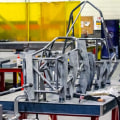
Race car fabrication is a specialized field that combines engineering, artistry, and a deep understanding of automotive mechanics. At its core, race car fabrication involves the design and construction of high-performance vehicles tailored for competitive racing. This intricate process requires not only technical skills but also a passion for speed and precision. A race car fabricator plays a pivotal role in this dynamic environment, transforming raw materials into finely-tuned machines capable of withstanding the rigors of the racetrack. The role of a race car fabricator extends far beyond mere assembly; it encompasses a wide range of responsibilities that include designing custom parts, welding, and ensuring that every component meets stringent safety and performance standards.
From crafting lightweight chassis to integrating advanced aerodynamics, the fabricator's expertise is crucial in enhancing the vehicle's overall performance. Understanding the nuances of materials such as carbon fiber, aluminum, and steel is essential, as each material offers unique benefits that can significantly impact a race car's speed and handling. As we delve deeper into the world of race car fabrication, we will explore the specific tasks that define a race car fabricator's daily work. This exploration will reveal how their skills contribute not only to the success of individual racers but also to the evolution of racing technology as a whole. Whether you are an aspiring fabricator or simply an enthusiast eager to learn more about this fascinating field, understanding the intricacies of race car fabrication will provide valuable insights into what makes these high-speed machines tick.
What is Race Car Fabrication?
Race car fabrication is a specialized process that involves the design, construction, and modification of race cars to enhance their performance, safety, and overall functionality.Unlike general automotive repair and modification, which may focus on everyday vehicles, race car fabrication is tailored specifically for high-performance racing environments.The race car fabrication process encompasses several critical stages:
- Design: This initial phase involves creating detailed blueprints and specifications based on the specific requirements of the race car. Engineers and fabricators collaborate to ensure that the design meets both performance goals and safety regulations.
- Material Selection: Choosing the right materials is crucial in race car fabrication. Lightweight yet durable materials such as carbon fiber, aluminum, and high-strength steel are often used to optimize speed and handling.
- Construction: This stage includes cutting, welding, and assembling various components of the race car. Precision is key here, as even minor errors can significantly impact performance on the track.
- Testing and Refinement: After construction, the race car undergoes rigorous testing to identify any areas for improvement.
This may involve fine-tuning suspension systems, aerodynamics, and engine performance.
It sets the foundation for building vehicles that are capable of achieving peak performance while adhering to safety standards.
Key Responsibilities of a Race Car Fabricator
A race car fabricator plays a crucial role in the automotive industry, particularly in the realm of motorsports. Their primary responsibilities encompass a variety of tasks that are essential for building high-performance vehicles capable of competing at the highest levels.- Design and Planning: A race car fabricator begins by collaborating with engineers and designers to create detailed plans for the vehicle. This includes understanding the specifications required for optimal performance, safety, and compliance with racing regulations.
- Material Selection: Choosing the right materials is vital in race car fabrication. Fabricators must be knowledgeable about various metals, composites, and other materials that can withstand extreme conditions while minimizing weight.
- Welding and Fabrication: One of the core tasks involves welding components together to form the chassis and other structural elements of the race car.
This requires precision and expertise in different welding techniques, such as TIG and MIG welding, to ensure strong, durable joints.
- Assembly: After fabrication, the race car fabricator assembles various parts, including suspension systems, engines, and bodywork. This process demands a keen eye for detail to ensure that every component fits perfectly and functions as intended.
- Testing and Modifications: Once assembled, the vehicle undergoes rigorous testing. Fabricators may need to make adjustments based on performance data, which can involve reworking certain components or enhancing aerodynamics.
- Technical Skills: Proficiency in welding, machining, and fabrication techniques is essential.
- Problem-Solving Abilities: The ability to troubleshoot issues that arise during fabrication or testing is crucial for ensuring optimal performance.
- Attention to Detail: Precision is key in race car fabrication; even minor errors can lead to significant performance issues on the track.
- Knowledge of Racing Regulations: Understanding the rules governing race car design helps fabricators create compliant vehicles that meet safety standards.
The Skills Required for Race Car Fabricators
Race car fabrication is a complex field that requires a unique blend of technical skills and soft skills.To excel in this demanding environment, fabricators must possess a variety of competencies that enable them to create high-performance vehicles while ensuring safety and compliance with racing regulations.
Technical Skills
- Welding and Metalworking: Proficiency in various welding techniques, such as TIG and MIG welding, is essential. Fabricators must be adept at working with different metals, including aluminum, steel, and titanium.
- Blueprint Reading: Understanding technical drawings and schematics is crucial for translating design concepts into tangible components.
- Machining: Familiarity with CNC machines and manual lathes allows fabricators to create precise parts that meet stringent specifications.
- Fabrication Techniques: Knowledge of advanced fabrication methods, such as tube bending and sheet metal forming, is vital for constructing race car chassis and bodywork.
- Material Science: A solid grasp of the properties of various materials helps fabricators choose the right components for performance and durability.
Soft Skills
- Attention to Detail: Precision is paramount in race car fabrication. A small error can lead to significant performance issues or safety hazards.
- Problem-Solving: Fabricators often encounter unexpected challenges during the build process. The ability to think critically and devise effective solutions is essential.
- Creativity: Innovative thinking allows fabricators to design unique solutions that enhance vehicle performance while adhering to regulations.
- Communication: Collaborating with engineers, designers, and other team members requires clear communication skills to ensure everyone is aligned on project goals.
- Time Management: Meeting deadlines in a fast-paced environment is crucial.
Fabricators must prioritize tasks effectively to keep projects on track.
Tools and Equipment Used in Race Car Fabrication
Race car fabrication is a meticulous process that requires a variety of specialized tools and equipment. The right tools not only enhance the quality of the work but also ensure safety and efficiency in the fabrication process.Essential Tools for Race Car Fabrication
- Tig and Mig Welders: These are crucial for joining metal components.
Tig welding
is preferred for its precision, while Mig welding is favored for speed. - Tube Benders: Used to create custom bends in tubing, tube benders allow fabricators to shape materials precisely according to design specifications.
- Cutting Tools: Plasma cutters and band saws are essential for cutting metal sheets and tubes accurately, ensuring clean edges that fit together seamlessly.
- Measuring Instruments: Tools like calipers, tape measures, and digital angle finders are vital for ensuring that every component is fabricated to exact specifications.
- Jigs and Fixtures: These are used to hold parts in place during the fabrication process, ensuring consistency and accuracy in assembly.
Advanced Equipment in Race Car Fabrication
The evolution of technology has significantly impacted race car fabrication.Modern fabricators often utilize advanced equipment such as:
- CNC Machines: Computer Numerical Control (CNC) machines automate the cutting and shaping of materials, allowing for intricate designs that would be difficult to achieve manually.
- 3D Printers: These are increasingly used to create prototypes or even final parts from various materials, enabling rapid iteration and testing of designs.
- Laser Cutters: Offering precision cutting with minimal material waste, laser cutters have become a staple in high-end fabrication shops.
The Fabrication Process: From Concept to Completion
The race car fabrication process is a meticulous journey that transforms an idea into a high-performance machine. Each stage is crucial, ensuring that the final product meets the rigorous demands of racing. Here’s a breakdown of the key steps involved in this intricate process:- Design and Planning: The first step involves creating detailed designs and specifications.
Engineers and fabricators collaborate to determine the car's dimensions, weight distribution, and materials needed. Advanced software tools are often used to simulate performance and identify potential issues before physical work begins.
- Material Selection: Choosing the right materials is vital for achieving optimal performance. Common materials include lightweight metals like aluminum and high-strength steel, as well as composite materials for specific components. Each material is selected based on its properties, such as strength-to-weight ratio and durability.
- Tubing and Chassis Fabrication: The chassis serves as the backbone of the race car.
Fabricators cut, bend, and weld tubing to create a robust frame that can withstand the stresses of racing. This stage requires precision to ensure that all components fit together seamlessly.
- Bodywork Creation: Once the chassis is complete, the bodywork is fabricated. This includes creating aerodynamic panels that enhance speed and stability. Techniques such as molding and shaping composites are commonly employed to achieve the desired design.
- Assembly: With all components ready, the assembly phase begins.
This involves integrating the engine, suspension, brakes, and electrical systems into the chassis. Each part must be installed with care to ensure proper functionality and safety.
- Testing and Tuning: After assembly, the race car undergoes rigorous testing. This includes track testing to evaluate performance under real racing conditions. Adjustments are made based on feedback from drivers and engineers to optimize handling, speed, and safety.
The end goal is to produce a vehicle that not only meets competitive standards but also pushes the boundaries of automotive engineering.
Challenges Faced by Race Car Fabricators
Race car fabrication is a complex process that involves numerous challenges, each requiring specialized knowledge and skills to overcome. Understanding these challenges is crucial for fabricators aiming to produce high-performance vehicles that meet the rigorous demands of racing.Common Challenges in Race Car Fabrication
- Material Selection: Choosing the right materials is essential for balancing weight, strength, and cost. Fabricators often face difficulties in sourcing high-quality materials that meet specific performance criteria.
- Precision Engineering: The need for precise measurements and tolerances can lead to complications during the fabrication process. Even minor errors can result in significant performance issues on the track.
- Time Constraints: Racing schedules are tight, and fabricators must work efficiently to meet deadlines.
This pressure can lead to rushed decisions that compromise quality.
- Technological Advancements: Keeping up with the latest technologies and fabrication techniques is a constant challenge. Fabricators must invest in training and equipment to stay competitive.
Solutions to Fabrication Challenges
- Investing in Quality Materials: Establishing strong relationships with reliable suppliers can ensure access to high-quality materials that enhance performance and durability.
- Utilizing Advanced Tools: Incorporating modern tools such as CNC machines and CAD software can improve precision and reduce errors during the fabrication process.
- Effective Project Management: Implementing robust project management strategies can help fabricators stay on schedule while maintaining quality standards. This includes setting realistic timelines and allocating resources efficiently.
- Continuous Learning: Encouraging ongoing education and training for fabricators can help them stay updated on industry trends and new technologies, ultimately improving their craftsmanship.
The Future of Race Car Fabrication
The landscape of race car fabrication is rapidly evolving, driven by technological advancements and a growing emphasis on sustainability. As the automotive industry shifts towards greener practices, race car fabricators are also adapting to meet these new demands.Future Trends in Race Car Fabrication
One of the most significant trends in race car fabrication is the integration of advanced materials.Lightweight composites, such as carbon fiber and aluminum alloys, are becoming increasingly popular due to their strength-to-weight ratio. These materials not only enhance performance but also contribute to fuel efficiency, which is crucial in a world that prioritizes sustainability.
Innovations in Automotive Fabrication
Another exciting development is the use of 3D printing technology. This innovation allows fabricators to create complex components with precision and speed, reducing waste and production time. Additionally, 3D printing enables the customization of parts tailored to specific racing needs, enhancing both performance and safety.Sustainability in Race Car Design
Sustainability is becoming a core principle in race car fabrication.Many teams are now exploring eco-friendly materials and processes. For instance, bio-based composites made from renewable resources are being tested for their viability in high-performance applications. Furthermore, recycling initiatives are gaining traction, with old race cars being dismantled and their parts repurposed for new builds.As we look to the future, the role of a race car fabricator will not only involve traditional skills but also a commitment to innovation and environmental responsibility. By embracing these trends, fabricators can ensure that they remain at the forefront of the racing industry while contributing positively to the planet.
FAQs About Race Car Fabrication
Race car fabrication is a specialized field that often raises numerous questions among enthusiasts and aspiring builders.Here are some of the most frequently asked questions regarding race car fabrication:
- What does a race car fabricator do?
A race car fabricator is responsible for designing, building, and modifying various components of a race car. This includes everything from the chassis and suspension to custom bodywork and safety features. Their expertise ensures that the vehicle meets both performance and safety standards. - How long does it take to fabricate a race car?
The timeline for race car fabrication can vary significantly based on the complexity of the project. A simple build might take a few months, while a highly customized race car could take over a year to complete. - What materials are commonly used in race car fabrication?
Fabricators typically use lightweight yet strong materials such as aluminum, carbon fiber, and high-strength steel.These materials help enhance performance by reducing weight while maintaining structural integrity.
- Are there common misconceptions about race car building?
Yes, one common misconception is that all race cars are built solely for speed. In reality, race car fabrication also focuses heavily on safety and handling. Additionally, many believe that anyone can build a race car with basic tools; however, it requires specialized skills and equipment.
Conclusion: The Vital Role of Race Car Fabricators in Motorsports
In conclusion, the role of a race car fabricator is indispensable in the world of motorsports.These skilled professionals are not just builders; they are the backbone of any successful racing team. Through their expertise in race car fabrication, they ensure that every component of a race car is meticulously crafted to meet the rigorous demands of high-speed competition.Throughout this article, we have explored several key aspects that highlight the importance of race car fabricators:
- Precision Engineering: Race car fabricators utilize advanced techniques and tools to create parts that are not only lightweight but also incredibly strong, ensuring optimal performance on the track.
- Customization: Each race car is unique, and fabricators tailor their work to meet specific requirements, allowing teams to gain a competitive edge.
- Safety Enhancements: Fabricators play a crucial role in integrating safety features into race cars, protecting drivers during high-stakes races.
- Collaboration with Engineers: They work closely with engineers and designers to bring innovative ideas to life, pushing the boundaries of what is possible in race car design.