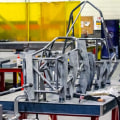
Race car fabrication is a specialized process that involves the design, construction, and assembly of high-performance vehicles specifically built for competitive racing. This intricate art combines engineering principles with advanced materials and techniques to create cars that can withstand the rigors of motorsport while delivering exceptional speed and handling. From the initial concept to the final touches, race car fabrication encompasses a wide range of activities, including chassis design, bodywork construction, and the integration of cutting-edge technology.The significance of race car fabrication in the automotive industry cannot be overstated. It not only pushes the boundaries of engineering but also serves as a testing ground for innovations that often trickle down to consumer vehicles.
The precision and attention to detail required in race car building ensure that every component is optimized for performance, safety, and reliability. This meticulous approach is what sets race cars apart from standard vehicles, making them unique in their ability to perform under extreme conditions.Moreover, understanding the fundamentals of race car construction is essential for anyone interested in motorsports. Whether you are a budding engineer, a seasoned mechanic, or simply a racing enthusiast, grasping the principles behind race car fabrication will enhance your appreciation for the sport. As we delve deeper into this topic, we will explore various aspects of race car fabrication, including materials used, techniques employed, and the role of technology in shaping the future of racing.
The Importance of Race Car Fabrication
Race car fabrication is a critical aspect of motorsport that directly influences a vehicle's performance, safety, and overall customization.The process involves designing and constructing various components of a race car, ensuring that each part is tailored to meet the specific demands of racing conditions.One of the primary reasons race car fabrication is essential is its impact on performance. Custom-fabricated parts can significantly enhance a car's aerodynamics, weight distribution, and structural integrity. For instance, lightweight materials such as carbon fiber or aluminum can be used to create body panels that reduce overall weight without compromising strength. This reduction in weight allows for faster acceleration and improved handling on the track.Moreover, custom fabrication enables engineers to optimize the vehicle's suspension and chassis design.
By adjusting these elements, they can achieve better traction and stability during high-speed maneuvers. This level of customization is crucial for competitive racing, where every millisecond counts.In addition to performance benefits, race car fabrication plays a vital role in ensuring driver safety. Custom roll cages and safety harnesses are designed to protect drivers in the event of an accident. These components are fabricated to meet stringent safety standards while also being lightweight and unobtrusive.Furthermore, the ability to customize a race car through fabrication allows teams to tailor their vehicles to specific tracks or racing styles.
This adaptability can provide a significant competitive edge, as teams can modify their cars based on track conditions or driver preferences.In summary, race car fabrication is not just about building a car; it’s about creating a finely-tuned machine that maximizes performance and safety while allowing for personalized adjustments. The benefits of custom fabrication extend beyond aesthetics, making it an indispensable element in the world of motorsport.
Key Components of Race Car Fabrication
Race car fabrication is a meticulous process that involves various components, materials, and techniques to create high-performance vehicles capable of withstanding the rigors of competitive racing. Understanding these elements is crucial for anyone interested in the world of motorsports.- Chassis: The chassis is the backbone of any race car, providing structural integrity and support for all other components. It is typically made from lightweight materials such as aluminum or carbon fiber, which help reduce overall weight while maintaining strength.
- Body Panels: The body panels are designed not only for aerodynamics but also for safety.
Common materials include fiberglass and composite materials, which offer a balance between weight and durability.
- Suspension System: A well-designed suspension system is critical for handling and stability. Components like control arms, springs, and shock absorbers are often fabricated from high-strength steel or aluminum to endure the stresses of racing.
- Roll Cage: Safety is paramount in race car fabrication, and the roll cage is a vital component that protects the driver in case of an accident. It is usually constructed from chromoly steel, known for its strength-to-weight ratio.
- Fuel System: The fuel system must be efficient and reliable, often incorporating custom-fabricated fuel tanks made from aluminum or composite materials to minimize weight while maximizing capacity.
Additionally, advanced materials like carbon fiber are increasingly popular due to their exceptional strength-to-weight ratio.The fabrication techniques employed in building race cars are equally important. Techniques such as welding, machining, and CNC cutting are commonly used to ensure precision and quality in every component. Skilled fabricators often utilize tools like plasma cutters and TIG welders to achieve the desired results.In summary, understanding the key components of race car fabrication—including the materials used and the techniques applied—provides valuable insight into how these high-performance machines are built to excel on the track.
Fabrication Techniques Used in Race Cars
Race car fabrication involves a variety of specialized techniques that are crucial for building high-performance vehicles. Among these, welding methods play a significant role in ensuring the structural integrity and safety of the race car.Welding Methods
Two of the most commonly used welding techniques in race car fabrication are MIG (Metal Inert Gas) and TIG (Tungsten Inert Gas).Each method has its own advantages:
- MIG Welding: This technique is favored for its speed and ease of use, making it ideal for joining thicker materials quickly. It is particularly useful in the initial stages of chassis construction.
- TIG Welding: Known for producing cleaner and more precise welds, TIG welding is often employed for critical joints where strength and aesthetics are paramount. This method is especially beneficial when working with lighter materials like aluminum.
Chassis Design Principles
The design of the chassis is another vital aspect of race car fabrication. A well-designed chassis not only supports the vehicle's components but also influences its handling and performance on the track.Key principles include:
- Weight Distribution: Achieving an optimal weight distribution enhances stability and cornering performance.
- Stiffness vs. Flexibility: The chassis must be stiff enough to handle the stresses of racing while allowing some flexibility to absorb shocks from the track.
- Aerodynamics: The shape and design of the chassis can significantly affect airflow, impacting speed and fuel efficiency.
Tools and Equipment for Race Car Fabrication
When it comes to race car fabrication, having the right tools and equipment is crucial for achieving precision and quality. Below is a list of essential tools and equipment that every fabricator should consider for their workshop.- Tig Welder: A Tig welder is indispensable for race car fabrication, allowing for clean and strong welds on thin materials like aluminum and stainless steel.
- Mig Welder: For quicker welds on thicker materials, a Mig welder is often preferred.
It’s user-friendly and ideal for beginners.
- Plasma Cutter: This tool is essential for cutting metal with precision. A plasma cutter can handle various materials and thicknesses, making it versatile for different fabrication tasks.
- Bending Machine: A bending machine allows fabricators to create custom bends in tubing, which is vital for chassis construction.
- Tube Notcher: This tool is used to create precise notches in tubing, ensuring a perfect fit when joining pieces together.
- Angle Grinder: An angle grinder is essential for grinding, cutting, and polishing metal surfaces, making it a staple in any fabrication shop.
- Measuring Tools: Accurate measurements are critical in race car fabrication. Tools like calipers, tape measures, and squares help ensure that every component fits perfectly.
- Organized Layout: Arrange tools and equipment in a logical order to minimize movement and increase efficiency.
Keep frequently used items within arm's reach.
- Proper Lighting: Ensure your workspace is well-lit to avoid mistakes during intricate tasks. Consider using LED lights for better visibility.
- Sufficient Ventilation: Fabrication often involves fumes and dust. A well-ventilated area will keep the air clean and safe to breathe.
Common Challenges in Race Car Fabrication
Race car fabrication is a complex process that involves various challenges, each requiring specific skills and knowledge to overcome. Understanding these common issues can help fabricators streamline their work and produce high-quality race cars.- Material Selection: Choosing the right materials is crucial in race car fabrication.
Fabricators often face challenges in sourcing lightweight yet durable materials that can withstand the rigors of racing.
Aluminum
, carbon fiber, and chromoly steel are popular choices, but each comes with its own set of handling and welding requirements. - Precision Measurements: Achieving precise measurements is vital for performance and safety. Fabricators may encounter issues with misalignment or incorrect dimensions, which can lead to poor handling or structural failures. Utilizing advanced measuring tools and techniques can mitigate these risks.
- Welding Techniques: Different components require different welding techniques.
Fabricators often struggle with achieving strong welds on thin materials without warping them. Mastering techniques such as TIG welding or MIG welding is essential for ensuring the integrity of the race car's frame.
- Time Management: The fabrication process can be time-consuming, and delays can impact project timelines. Fabricators must balance quality with efficiency, often leading to stress and rushed work. Implementing a well-structured workflow can help manage time effectively.
- Regulatory Compliance: Adhering to racing regulations is another challenge.
Fabricators must stay updated on the latest rules from governing bodies, which can change frequently. This requires ongoing education and adaptability in design and fabrication processes.
Troubleshooting Tips:
- Regular Training: Invest in training for your team to keep skills sharp and knowledge current.
- Quality Control Checks: Implement regular inspections throughout the fabrication process to catch issues early.
- Documentation: Maintain detailed records of materials used, measurements taken, and techniques applied to identify patterns in recurring problems.
- Collaboration: Foster open communication among team members to share insights and solutions to common challenges.
Future Trends in Race Car Fabrication
The landscape of race car fabrication is rapidly evolving, driven by technological advancements and innovative materials. As the demand for faster, lighter, and more efficient race cars increases, the industry is witnessing a shift towards cutting-edge fabrication techniques that promise to redefine performance standards.3D Printing in Race Car Fabrication
One of the most significant innovations in automotive fabrication is the adoption of 3D printing. This technology allows engineers to create complex components with precision and speed, reducing both production time and costs.With 3D printing, teams can produce lightweight parts that enhance aerodynamics and overall vehicle performance. Additionally, this method enables rapid prototyping, allowing for quick iterations and testing of new designs.
Advanced Materials
The use of advanced materials, such as carbon fiber and titanium alloys, is also transforming race car fabrication. These materials offer superior strength-to-weight ratios, which are crucial for high-performance racing. By incorporating these materials into their designs, manufacturers can create vehicles that not only perform better but also withstand the rigors of competitive racing.Automation and Robotics
Another trend shaping the future of race car fabrication is the integration of automation and robotics.Automated systems can enhance precision in manufacturing processes, ensuring that each component meets stringent quality standards. This level of accuracy is essential in racing, where even the smallest deviation can impact performance.
Sustainability in Racing
As environmental concerns grow, sustainability is becoming a key focus in race car fabrication. Manufacturers are exploring eco-friendly materials and processes to reduce their carbon footprint. Innovations such as bio-based composites and energy-efficient manufacturing techniques are paving the way for a greener future in motorsports.In conclusion, the future of race car fabrication is bright, with emerging technologies like 3D printing, advanced materials, automation, and sustainability driving significant changes.These innovations not only enhance performance but also ensure that racing remains at the forefront of automotive technology.
FAQs About Race Car Fabrication
When it comes to race car fabrication, many enthusiasts and newcomers have questions that can help clarify the process and its significance. Here are some of the most frequently asked questions:- What is race car fabrication?
Race car fabrication refers to the process of designing and constructing a race car, which includes everything from the chassis to the bodywork. It involves using specialized materials and techniques to ensure that the car is lightweight, strong, and capable of withstanding the rigors of racing. - What materials are commonly used in race car fabrication?
Common materials include aluminum, carbon fiber, and steel. Each material has its own advantages; for instance, carbon fiber is known for its strength-to-weight ratio, while aluminum is favored for its lightweight properties. - How long does it take to fabricate a race car?
The time required for race car fabrication can vary significantly based on the complexity of the design and the resources available.A simple build might take a few weeks, while a more complex project could take several months.
- Can I fabricate a race car myself?
Yes, many enthusiasts choose to build their own race cars. However, it requires a good understanding of engineering principles, welding skills, and access to proper tools. For those new to fabrication, starting with a kit car or seeking guidance from experienced builders can be beneficial. - What are some common mistakes in race car fabrication?
Some common mistakes include inadequate planning, poor material selection, and neglecting safety features. It's crucial to conduct thorough research and possibly consult with professionals to avoid these pitfalls.
Whether you're looking to start your own project or simply want to learn more about how race cars are made, these FAQs provide a solid foundation.
Conclusion: The Art and Science of Race Car Fabrication
In conclusion, race car fabrication is a multifaceted discipline that combines artistry with engineering precision. Throughout this article, we have explored the various elements that contribute to the creation of high-performance race cars, from the initial design phase to the final assembly. Each step in the fabrication process is crucial, as it not only affects the car's performance on the track but also ensures safety and compliance with racing regulations.The importance of race car fabrication cannot be overstated. It serves as the backbone of motorsport, enabling teams to push the limits of speed and innovation.By utilizing advanced materials and cutting-edge technology, fabricators can create vehicles that are not only faster but also more reliable and efficient.
- Customization: Every race car is unique, tailored to meet specific performance criteria and driver preferences.
- Safety: Proper fabrication techniques ensure that cars can withstand the rigors of racing while protecting drivers in case of accidents.
- Performance Optimization: Through meticulous attention to detail, fabricators enhance aerodynamics, weight distribution, and overall handling.