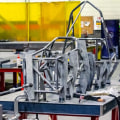
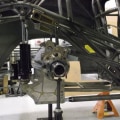
In the world of motorsports, race car fabrication stands as a critical pillar that influences not only the performance of the vehicle but also its overall design and safety. The process of fabricating a race car involves meticulous attention to detail, where every component is engineered to meet the rigorous demands of high-speed racing. From the chassis to the aerodynamics, each element plays a vital role in ensuring that the car can withstand the intense conditions of the track while maximizing speed and efficiency. A key aspect of race car design is understanding how various materials and shapes interact with airflow. Aerodynamics is not merely an afterthought; it is an integral part of the car manufacturing process.
Engineers and designers work collaboratively to create vehicles that minimize drag and enhance downforce, allowing for better handling and stability at high speeds. This synergy between design and aerodynamics is what separates winning teams from their competitors. As we delve deeper into the intricacies of race car fabrication, it becomes evident that every decision made during the design phase has far-reaching implications on performance. The marriage of advanced materials, cutting-edge technology, and aerodynamic principles creates a race car that is not only fast but also reliable. Understanding these elements is essential for anyone looking to appreciate the complexities involved in building a competitive race car.
The Basics of Aerodynamics in Racing
Aerodynamics is a critical aspect of race car fabrication, influencing how a vehicle interacts with air as it speeds down the track.Understanding the fundamental principles of aerodynamics can significantly enhance a race car's performance, particularly in terms of drag and downforce.
Understanding Drag
Drag is the aerodynamic resistance that opposes a car's forward motion. It is primarily caused by the shape of the car and its surface texture. There are two main types of drag:- Form Drag: This type arises from the shape of the car. A streamlined design reduces form drag, allowing the car to slice through the air more efficiently.
- Skin Friction Drag: This occurs due to the friction between the air and the car's surface.
Smooth surfaces minimize skin friction drag, which is why many race cars feature sleek finishes.
The Importance of Downforce
Downforce, on the other hand, is the vertical force that pushes the car down onto the track, enhancing tire grip and stability during high-speed maneuvers. Achieving optimal downforce is essential for maintaining control, especially in corners. Key components that contribute to downforce include:- Wings: Front and rear wings are designed to create a pressure difference that generates downforce as air flows over them.
- Diffusers: These are located at the rear of the car and help accelerate airflow underneath, further increasing downforce.
- Body Shape: The overall design of the car plays a significant role in managing airflow, ensuring that it adheres to the body and creates negative pressure zones that enhance downforce.
Key Aerodynamic Components in Race Car Design
Aerodynamics is a critical aspect of race car fabrication, influencing not only speed but also stability and handling.Several key aerodynamic components are integral to the design of high-performance race cars, each serving a unique purpose in enhancing overall performance.
Spoilers
Spoilers are designed to disrupt the airflow over the car, reducing lift and increasing downforce. By doing so, they help keep the tires firmly planted on the track, which is essential for maintaining grip during high-speed maneuvers. The angle and shape of a spoiler can be adjusted to optimize performance for different racing conditions, making it a versatile tool in race car fabrication.Diffusers
A diffuser is located at the rear of the car and works by accelerating the airflow underneath the vehicle. This acceleration creates a low-pressure area that effectively pulls the car down towards the track, enhancing downforce.A well-designed diffuser can significantly improve a race car's cornering ability and overall stability at high speeds.
Wings
Wings are perhaps the most recognizable aerodynamic components in race car design. They function similarly to airplane wings, generating downforce through their shape and angle of attack. Adjustable wings allow teams to fine-tune their aerodynamic setup based on track conditions, providing an edge in both speed and handling. The placement and design of wings can vary widely among different racing series, reflecting the specific aerodynamic needs dictated by each type of race.In conclusion, understanding and implementing these aerodynamic components—spoilers, diffusers, and wings—are essential for any team involved in race car fabrication.Each component plays a vital role in maximizing performance, ensuring that race cars can achieve their full potential on the track.
The Role of Computational Fluid Dynamics (CFD)
In the realm of race car fabrication, the integration of Computational Fluid Dynamics (CFD) has revolutionized the way engineers approach design and performance optimization. CFD is a simulation technology that allows designers to visualize and analyze airflow around a vehicle, providing critical insights that were once only achievable through extensive wind tunnel testing.By utilizing CFD, teams can simulate various aerodynamic scenarios, enabling them to assess how different shapes and components affect drag and downforce. This capability is particularly vital in racing, where even the slightest improvement in aerodynamics can lead to significant gains in speed and handling.Benefits of CFD in Race Car Fabrication
- Cost Efficiency: CFD reduces the need for physical prototypes, saving both time and resources during the design phase.
- Design Flexibility: Engineers can experiment with multiple designs quickly, allowing for rapid iteration and refinement.
- Enhanced Performance: By optimizing airflow, teams can improve vehicle stability at high speeds, which is crucial for competitive racing.
This data is invaluable for making informed decisions about modifications to body shape, wing design, and other aerodynamic features.Moreover, CFD allows for real-time analysis during the design process. Engineers can visualize changes instantly, making it easier to understand the implications of each modification. This iterative approach not only accelerates development but also fosters innovation in race car fabrication.In conclusion, the role of CFD in race car fabrication cannot be overstated. It empowers teams to push the boundaries of design while ensuring that every component works harmoniously to achieve optimal performance on the track.
Material Selection for Aerodynamic Efficiency
In the realm of race car fabrication, the selection of materials is crucial for enhancing aerodynamic efficiency and overall performance.The right materials not only contribute to the car's weight but also influence its ability to cut through the air, thereby improving speed and stability on the track.
Lightweight materials
are at the forefront of modern race car design. Reducing weight is essential for achieving higher speeds and better handling. Traditional materials like steel are being replaced with advanced alternatives that offer superior strength-to-weight ratios. For instance, aluminum is commonly used due to its lightweight nature and good structural integrity, making it a popular choice for various components.However, the most significant advancements in race car fabrication come from the use of composite materials.These materials, such as carbon fiber and fiberglass, provide exceptional strength while being significantly lighter than metals. Carbon fiber, in particular, has revolutionized race car design; it allows for intricate shapes that enhance aerodynamics without compromising safety or performance.
- Carbon Fiber: Known for its high tensile strength and low weight, carbon fiber is often used in body panels and structural components.
- Fiberglass: While slightly heavier than carbon fiber, fiberglass is more cost-effective and still offers good aerodynamic properties.
- Aluminum Alloys: These are often used in chassis construction due to their balance of weight and durability.
Testing and Tuning Aerodynamics on the Track
To achieve optimal performance in race car fabrication, testing and tuning aerodynamics is crucial.This process often begins in a controlled environment, such as a wind tunnel, where engineers can analyze how air flows around the vehicle. Wind tunnel testing allows for precise measurements of drag and downforce, which are essential for enhancing speed and stability on the track.During wind tunnel tests, various models of the race car are subjected to different speeds and angles of attack. This helps engineers identify areas where airflow can be improved. For instance, modifications to the car's body shape, wing design, and underbody can significantly affect its aerodynamic efficiency.
The data collected from these tests informs decisions on how to refine the car's design before it hits the track.
Track Performance Tuning
Once the initial design is established through wind tunnel testing, the next step involves track performance tuning. This phase is critical as it allows engineers to observe how the car behaves under real racing conditions. Adjustments made during this phase can include altering suspension settings, adjusting wing angles, and fine-tuning weight distribution.- Suspension Settings: Modifying suspension stiffness can help optimize tire contact with the track, improving grip and handling.
- Wing Angles: Adjusting the angle of the front and rear wings can enhance downforce without significantly increasing drag.
- Weight Distribution: Balancing weight across the car can lead to better cornering performance and stability at high speeds.
Case Studies: Successful Race Cars and Their Aerodynamic Designs
Aerodynamics is a critical factor in the race car fabrication process, influencing not only the design but also the overall performance of the vehicle.Several successful race cars have demonstrated how effective aerodynamic designs can lead to significant competitive advantages on the track.
Case Study 1: The Mercedes-Benz W196
The Mercedes-Benz W196, used in the 1950s, is a prime example of how aerodynamic innovation can enhance speed and stability. Its streamlined body shape reduced drag, allowing it to achieve remarkable speeds for its time. The car featured a distinctive oval cross-section that minimized air resistance, coupled with a low-slung chassis that improved downforce. This combination enabled drivers like Juan Manuel Fangio to dominate races, showcasing the importance of aerodynamic design in race car fabrication.Case Study 2: The McLaren MP4/4
Another iconic example is the McLaren MP4/4, which raced in the late 1980s.This Formula 1 car was renowned for its exceptional aerodynamic efficiency, largely attributed to its ground effect technology. The design included a flat underbody that created a significant amount of downforce without increasing drag. As a result, the MP4/4 won 15 out of 16 races in its debut season, illustrating how advanced aerodynamic principles can lead to unparalleled success in motorsport.
Case Study 3: The Ferrari F2004
The Ferrari F2004 is often cited as one of the most successful Formula 1 cars ever built. Its aerodynamic design was meticulously crafted using computational fluid dynamics (CFD) simulations, allowing engineers to optimize airflow around the car.Features such as its sculpted sidepods and rear wing contributed to improved handling and stability at high speeds. The F2004's aerodynamic prowess played a crucial role in securing both the Drivers' and Constructors' Championships in 2004.These case studies highlight that successful race cars are not merely products of engineering; they are masterpieces of aerodynamic design. By understanding and implementing effective aerodynamic principles during race car fabrication, manufacturers can create vehicles that not only perform better but also push the boundaries of speed and efficiency.
Future Trends in Race Car Aerodynamics and Fabrication
The future of race car fabrication is poised for significant transformation, driven by advancements in aerodynamics and innovative technologies. As teams strive for competitive advantages, understanding these emerging trends becomes essential.Innovations in Aerodynamics
One of the most exciting areas of development is the integration of computational fluid dynamics (CFD).This technology allows engineers to simulate airflow over a car's surface, enabling them to optimize designs before physical prototypes are built. As CFD software becomes more sophisticated, it will facilitate the creation of more efficient shapes that minimize drag and enhance downforce.
Lightweight Materials
The use of advanced materials, such as carbon fiber and titanium alloys, is also on the rise. These materials not only reduce weight but also improve structural integrity, allowing for more aggressive aerodynamic designs without compromising safety. The combination of lightweight construction and aerodynamic efficiency is crucial for achieving higher speeds on the track.Active Aerodynamics
Another trend gaining traction is the implementation of active aerodynamic systems.These systems can adjust components like spoilers and diffusers in real-time based on speed and track conditions. By dynamically altering airflow, race cars can achieve optimal performance during different phases of a race, enhancing both speed and handling.
Sustainability in Racing
As the motorsport industry becomes increasingly aware of its environmental impact, there is a growing emphasis on sustainable practices in race car fabrication. Innovations such as bio-composite materials and energy-efficient manufacturing processes are being explored to reduce the carbon footprint of race cars while maintaining high performance.In conclusion, the future of race car design will be shaped by these technological advancements in aerodynamics and fabrication. As teams adopt these innovations, we can expect to see faster, safer, and more environmentally friendly race cars on the track.Frequently Asked Questions about Aerodynamics and Race Car Fabrication
Understanding the intersection of aerodynamics and race car fabrication is crucial for both enthusiasts and professionals in the racing industry.Here are some frequently asked questions that shed light on this complex relationship:
- What is the role of aerodynamics in race car design?
Aerodynamics significantly influences a race car's performance by reducing drag and increasing downforce. This allows cars to maintain higher speeds while ensuring stability during high-speed maneuvers. - How do engineers test aerodynamic designs?
Engineers often use wind tunnels and computational fluid dynamics (CFD) simulations to analyze airflow around the car. These methods help in refining shapes and components to optimize performance. - What materials are commonly used in race car fabrication for aerodynamic purposes?
Lightweight materials such as carbon fiber, aluminum, and advanced composites are favored for their strength-to-weight ratio. These materials allow for intricate designs that enhance aerodynamic efficiency without adding unnecessary weight. - How does downforce affect race car handling?
Downforce increases tire grip on the track, allowing for faster cornering speeds.However, too much downforce can lead to instability, so a balance must be struck during the fabrication process.
- Are there specific aerodynamic features that are essential in race car fabrication?
Yes, features like spoilers, diffusers, and side skirts are critical. They work together to manage airflow and create the necessary downforce while minimizing drag.