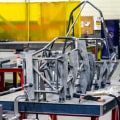
Race car fabrication is a critical aspect of motorsports that combines engineering precision with creative design. The process involves constructing a vehicle that not only meets the stringent regulations of racing but also optimizes performance on the track. From the selection of materials to the final assembly, every step in race car fabrication plays a vital role in determining the car's speed, safety, and overall competitiveness. Understanding this intricate process is essential for anyone looking to delve into the world of racing. However, even seasoned fabricators can encounter pitfalls during the fabrication process.
Common mistakes can range from inadequate planning and poor material choices to overlooking safety standards and failing to account for aerodynamics. These errors not only compromise the integrity of the race car but can also lead to costly repairs and diminished performance on race day. By identifying these common missteps, aspiring fabricators can better prepare themselves to avoid them, ensuring a smoother and more successful build. As we explore the nuances of race car fabrication, it becomes clear that attention to detail and a thorough understanding of both engineering principles and racing dynamics are paramount. This article will guide you through some of the most frequent mistakes made during the fabrication process and provide actionable solutions to help you navigate these challenges effectively.
Whether you're a novice or an experienced builder, recognizing these potential pitfalls will enhance your ability to create high-performance race cars that stand out on the track.
Understanding the Race Car Fabrication Process
The race car fabrication process is a complex and meticulous journey that involves several key steps, each critical to the overall success of the vehicle. Understanding these steps can help identify potential pitfalls and avoid common mistakes. Here are the primary stages involved in the fabrication process:- Design and Planning: This initial phase involves creating detailed blueprints and specifications for the race car. It’s essential to consider factors such as weight distribution, aerodynamics, and safety regulations. Mistakes in this stage can lead to significant issues later on.
- Material Selection: Choosing the right materials is crucial for performance and safety.
Common materials include steel, aluminum, and carbon fiber. Each has its own properties and applications, so understanding their strengths and weaknesses is vital to avoid structural failures.
- Tubing and Chassis Construction: The chassis serves as the backbone of the race car. Proper welding techniques are necessary to ensure strength and integrity. Inadequate welding can lead to catastrophic failures during races.
- Suspension and Steering Assembly: This step involves installing components that affect handling and stability.
Incorrect alignment or installation can result in poor performance on the track.
- Bodywork Fabrication: The body of the race car not only contributes to its aesthetics but also affects aerodynamics. Mistakes in shaping or fitting body panels can lead to increased drag or weight issues.
- Final Assembly and Testing: Once all components are fabricated, they must be assembled carefully. Rigorous testing is essential to identify any flaws or areas for improvement before hitting the track.
Common Mistakes in Race Car Fabrication
Race car fabrication is a complex process that requires precision, planning, and the right materials.Unfortunately, many builders encounter common mistakes that can compromise the integrity and performance of the vehicle. Understanding these pitfalls is crucial for anyone involved in race car fabrication.
- Poor Material Selection: One of the most significant errors in race car fabrication is choosing the wrong materials. Using subpar or inappropriate materials can lead to structural weaknesses and increased weight. Always opt for high-quality, lightweight materials such as aluminum or carbon fiber that are specifically designed for racing applications.
- Inadequate Planning: Failing to plan adequately can result in costly mistakes.
Before starting fabrication, it’s essential to have a detailed blueprint that outlines every aspect of the build. This includes dimensions, weight distribution, and component placement. A well-thought-out plan helps avoid rework and ensures that all parts fit together seamlessly.
- Lack of Precision: Precision is key in race car fabrication. Even minor inaccuracies can lead to significant performance issues on the track.
Utilize tools like laser cutters and CNC machines to ensure that every component is fabricated to exact specifications. Regularly check measurements throughout the process to maintain accuracy.
- Ignoring Safety Standards: Safety should never be compromised in race car fabrication. Many builders overlook safety regulations, which can lead to dangerous situations on the track. Familiarize yourself with industry standards and ensure that your build complies with all safety requirements.
- Neglecting Testing: After fabrication, it’s vital to conduct thorough testing before hitting the track.
Skipping this step can result in unforeseen issues that could have been identified early on. Implement a rigorous testing protocol to evaluate performance and make necessary adjustments.
Mistake #1: Poor Material Selection
One of the most critical aspects of race car fabrication is the selection of materials. Choosing the wrong materials can lead to a host of performance issues, including weight problems, structural weaknesses, and compromised safety. Understanding the properties of various materials is essential for achieving optimal performance on the track.Common Material Mistakes
- Using Heavy Materials: Many fabricators opt for heavier metals like steel, thinking they provide better strength.
However, this can significantly increase the car's weight, negatively impacting speed and handling.
- Ignoring Material Properties: Each material has unique properties such as tensile strength, ductility, and fatigue resistance. Failing to consider these can lead to premature failure during races.
- Overlooking Cost vs. Performance: While it might be tempting to choose cheaper materials to cut costs, this often results in poor performance and higher long-term expenses due to repairs or replacements.
Best Materials for Race Car Fabrication
- Aluminum: Lightweight and strong, aluminum is a popular choice for many components, including frames and body panels.
- Carbon Fiber: Known for its exceptional strength-to-weight ratio, carbon fiber is ideal for high-performance applications but comes at a higher cost.
- Titanium: Although expensive, titanium offers excellent strength and corrosion resistance, making it suitable for critical components like exhaust systems.
Additionally, utilizing simulation software can help predict how different materials will perform under race conditions, allowing for informed decisions that enhance both safety and performance.
Mistake #2: Inadequate Planning and Design
One of the most critical aspects of race car fabrication is the planning and design phase. Insufficient planning can lead to a myriad of issues, including structural weaknesses and design flaws that can compromise the vehicle's performance and safety. When fabricators rush through this stage, they often overlook essential details that can have significant repercussions on the car's overall integrity.Common Design Mistakes
- Ignoring Weight Distribution: A common mistake is failing to consider how weight is distributed throughout the car. An unbalanced race car can lead to poor handling and increased tire wear.
- Neglecting Aerodynamics: Many fabricators underestimate the importance of aerodynamics in race car design.
Poor aerodynamic choices can result in increased drag, reducing speed and efficiency.
- Overlooking Safety Features: In the pursuit of speed, some designs may neglect crucial safety features. This oversight can endanger drivers during high-speed races.
They can help identify potential weaknesses in the design and suggest modifications that improve both performance and safety.In conclusion, adequate planning is not just a preliminary step; it is a fundamental part of successful race car fabrication. By taking the time to meticulously plan and design, fabricators can avoid common mistakes that could jeopardize their race cars' performance on the track.
Mistake #3: Lack of Precision in Measurements
In the world of race car fabrication, precision is paramount. A single miscalculation in measurements can lead to catastrophic failures on the track, affecting not only the car's performance but also the safety of the driver. When components are not fabricated to exact specifications, it can result in misalignment, increased wear and tear, and even structural failure.Measurement errors
can occur at various stages of the fabrication process.For instance, if the chassis is not built to precise dimensions, it can lead to issues with weight distribution and handling. Similarly, inaccuracies in measuring for suspension components can drastically alter a car's responsiveness and stability.
Common Sources of Measurement Errors
- Inadequate Tools: Using subpar measuring tools can lead to significant discrepancies. Always invest in high-quality calipers, micrometers, and laser measuring systems.
- Human Error: Even experienced fabricators can make mistakes. It’s crucial to double-check measurements and have a second set of eyes review critical dimensions.
- Environmental Factors: Temperature and humidity can affect materials and tools.
Ensure that measurements are taken in a controlled environment to maintain accuracy.
- Calibration: Regularly calibrate your measuring tools to ensure they provide accurate readings.
- Documentation: Keep detailed records of all measurements taken during the fabrication process. This helps in identifying patterns of error and improving future practices.
- Verification: After taking initial measurements, verify them by cross-referencing with design specifications or using different measurement methods.
Mistake #4: Ignoring Safety Standards
When it comes to race car fabrication, one of the most critical aspects that cannot be overlooked is adherence to safety standards.Ignoring these standards can lead to severe consequences, not only for the driver but also for the entire team and spectators. The importance of safety in motorsports cannot be overstated, as it directly impacts the integrity of the vehicle and the well-being of everyone involved.
Safety standards
are established by various governing bodies, such as the FIA (Fédération Internationale de l'Automobile) and NASCAR, which outline specific requirements for vehicle construction. These regulations cover everything from roll cage design to fuel cell specifications. Failing to comply with these guidelines can result in compliance issues that may lead to disqualification from races or, worse, catastrophic failures during competition.- Neglecting Roll Cage Design: A poorly designed roll cage can compromise driver safety in the event of a crash.
Ensure that the roll cage meets all required specifications and is constructed from high-quality materials.
- Inadequate Fire Safety Measures: Race cars must be equipped with fire suppression systems and fuel cells that meet safety standards. Skipping these features can have dire consequences.
- Ignoring Driver Safety Gear: The fabrication process should also consider the installation of proper safety gear, including harnesses and seats that comply with regulations.
By adhering to established safety standards, teams can protect their drivers and enhance their chances of success on the racetrack.
How to Avoid These Common Mistakes
To ensure a successful race car build and avoid common mistakes in race car fabrication, it is essential to follow best practices and implement effective strategies throughout the process. Here are some actionable tips to guide you:- Plan Thoroughly: Before starting any fabrication work, create a detailed plan that outlines your goals, budget, and timeline. This will help you stay organized and focused.
- Invest in Quality Materials: Using high-quality materials is crucial for the durability and performance of your race car. Avoid cheap alternatives that may compromise safety and efficiency.
- Utilize Proper Tools: Ensure you have the right tools for the job.
Investing in specialized tools can make a significant difference in the precision and quality of your fabrication work.
- Follow Safety Protocols: Always prioritize safety by wearing appropriate protective gear and following safety guidelines. This not only protects you but also ensures a smoother fabrication process.
- Seek Expert Advice: Don’t hesitate to consult with experienced fabricators or join forums where you can ask questions and share insights. Learning from others’ experiences can help you avoid pitfalls.
- Test Fit Components: Regularly test fit components during the fabrication process to ensure everything aligns correctly. This can save time and prevent costly adjustments later on.
- Document Your Process: Keep detailed records of your fabrication steps, including measurements and modifications.
This documentation can be invaluable for troubleshooting issues or making future improvements.
FAQs About Race Car Fabrication Mistakes
When it comes to race car fabrication, enthusiasts and professionals alike often have questions about the common pitfalls that can occur during the building process. Here are some frequently asked questions that can help clarify these issues:What are the most common mistakes in race car fabrication?
- Poor Planning: Failing to create a detailed plan can lead to misalignment and structural weaknesses.
- Inadequate Material Selection: Using subpar materials can compromise safety and performance.
- Neglecting Weight Distribution: Improper weight distribution can affect handling and speed.
- Ignoring Safety Standards: Not adhering to safety regulations can result in dangerous situations on the track.
How can I avoid mistakes during race car fabrication?
- Create a Comprehensive Blueprint: Invest time in designing a detailed blueprint that outlines every aspect of the build.
- Select Quality Materials: Research and choose materials that meet industry standards for strength and durability.
- Focus on Weight Management: Use tools like scales and simulations to ensure optimal weight distribution throughout the vehicle.
- Consult Experts: Don’t hesitate to seek advice from experienced fabricators or engineers to ensure compliance with safety standards.
What should I do if I realize I've made a mistake?
If you discover a mistake during the fabrication process, it’s crucial to address it immediately. Assess the impact of the error, consult your blueprint, and determine whether a repair or complete redo is necessary.Documenting these mistakes can also provide valuable lessons for future projects.By understanding these common questions and their answers, you can significantly enhance your knowledge of race car fabrication, leading to better practices and safer builds.
Conclusion: Key Takeaways on Race Car Fabrication Mistakes
In conclusion, understanding the common mistakes made during race car fabrication is crucial for both novice and experienced builders. By recognizing these pitfalls, you can significantly enhance the performance, safety, and longevity of your race car. Here are the key takeaways to keep in mind:- Prioritize Planning: A well-thought-out plan is essential. Ensure that you have a clear design and a comprehensive list of materials before starting the fabrication process.
- Invest in Quality Materials: Using subpar materials can lead to structural failures. Always opt for high-quality components that meet or exceed industry standards.
- Focus on Precision: Accurate measurements and cuts are vital.
Double-check your dimensions and use precise tools to avoid costly mistakes.
- Emphasize Safety: Safety should never be compromised. Incorporate safety features and ensure that all components are securely fastened to prevent accidents on the track.
- Seek Expert Advice: Don’t hesitate to consult with experienced fabricators or engineers. Their insights can help you avoid common errors and improve your overall design.