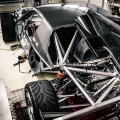
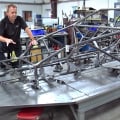
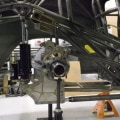
Race car fabrication is a specialized field that combines engineering, design, and craftsmanship to create high-performance vehicles capable of withstanding the rigors of competitive racing. At its core, race car fabrication involves the meticulous construction and assembly of various components, ensuring that each part fits together seamlessly. This process is not merely about aesthetics; it plays a crucial role in the overall performance and safety of the vehicle. One of the most critical aspects of race car fabrication is achieving the proper fit and alignment of all components. When parts are misaligned or improperly fitted, it can lead to a host of issues, from decreased performance to catastrophic failures during a race.
For instance, if the chassis is not aligned correctly with the suspension system, it can result in poor handling and increased tire wear, ultimately affecting lap times and driver safety. Moreover, the importance of fit and alignment extends beyond just performance metrics. In the high-stakes world of racing, where every millisecond counts, ensuring that each component works harmoniously can be the difference between victory and defeat. Fabricators employ advanced techniques and tools, such as laser alignment systems and precision measuring instruments, to guarantee that every element is positioned accurately. This attention to detail not only enhances the car's speed but also contributes to its durability on the track.
The Importance of Fit and Alignment in Race Cars
In the world of race car fabrication, the significance of fit and alignment cannot be overstated.These elements are crucial not only for the aesthetic appeal of the vehicle but also for its performance on the track. A well-fitted race car ensures that all components work in harmony, which directly impacts handling, safety, and overall speed.
Fit
refers to how well various parts of the car come together. This includes everything from the chassis to the suspension components. If parts do not fit correctly, it can lead to increased wear and tear, which may compromise the vehicle's integrity over time.For instance, a misaligned suspension can cause uneven tire wear, affecting grip and handling during races.
Alignment
is equally important in race car fabrication. Proper alignment ensures that all wheels are positioned correctly relative to each other and the chassis. This is vital for maintaining optimal contact with the track surface, which enhances traction and stability. Misalignment can lead to a host of issues, including poor steering response and reduced cornering capabilities.- Handling: A race car that is properly fitted and aligned will respond predictably to driver inputs, allowing for precise maneuvering during high-speed turns.
- Safety: Misalignment can lead to catastrophic failures during a race.
Ensuring that all components are correctly aligned minimizes risks associated with mechanical failure.
- Performance: The overall speed of a race car is heavily influenced by how well its components fit and align. A well-constructed vehicle can achieve better lap times and improved acceleration.
Key Components Involved in Race Car Fabrication
In the world of race car fabrication, ensuring the proper fit and alignment of all components is crucial for optimal performance. Several key components play a significant role in this process, each requiring meticulous attention to detail.Chassis
The chassis serves as the backbone of the race car, providing structural integrity and support for all other components.A well-designed chassis must be lightweight yet strong, allowing for maximum speed and agility on the track. Fabricators utilize advanced materials such as carbon fiber and aluminum to construct the chassis, ensuring that it can withstand the rigors of racing while maintaining precise dimensions.
Suspension
The suspension system is another critical element in race car fabrication. It connects the chassis to the wheels and is responsible for handling dynamics, ride quality, and tire contact with the road. Proper alignment of suspension components, including control arms, springs, and dampers, is essential for achieving optimal handling characteristics.Fabricators often use adjustable suspension setups to fine-tune the vehicle's performance based on specific track conditions.
Bodywork
The bodywork not only contributes to the car's aerodynamics but also affects its overall weight distribution. Precision in fitting body panels is vital to minimize drag and enhance downforce. Fabricators employ techniques such as wind tunnel testing to refine body shapes and ensure that every component fits seamlessly. This attention to detail helps maintain a competitive edge on the racetrack. In summary, the key components involved in race car fabrication—the chassis, suspension, and bodywork—must be meticulously crafted and aligned.This precision ensures that race cars perform at their best, providing drivers with the confidence they need to push their limits on the track.
Techniques for Ensuring Proper Fit
In the world of race car fabrication, ensuring the proper fit and alignment of all components is crucial for optimal performance and safety. Fabricators employ a variety of techniques and tools to achieve this precision.Measuring Tools
One of the primary methods used by fabricators is the utilization of advanced measuring tools. These include:- Laser Alignment Systems: These systems provide accurate measurements for aligning chassis and suspension components, ensuring that everything is positioned correctly.
- Digital Calipers: Used for precise measurements of small components, digital calipers help in achieving exact dimensions that are critical in race car assembly.
- Dial Indicators: These are essential for checking runout and alignment on rotating parts, ensuring that wheels and axles are perfectly aligned.
Fabrication Methods
In addition to measuring tools, specific fabrication methods play a significant role in achieving proper fit:- Tig Welding: This method allows for precise control over the welds, which is essential for maintaining the integrity of the frame and ensuring that all parts fit together seamlessly.
- CNC Machining: Computer Numerical Control (CNC) machining enables fabricators to create components with exact specifications, reducing the risk of human error during the fabrication process.
- Fixture Design: Custom fixtures are often designed to hold parts in place during welding or assembly, ensuring that everything remains aligned throughout the process.
Alignment Methods Used by Race Car Fabricators
In the world of race car fabrication, achieving precise alignment is crucial for maximizing performance and ensuring safety on the track. Race car fabricators employ a variety of alignment methods to ensure that all components work harmoniously, particularly focusing on wheel alignment and suspension setup.Wheel Alignment Techniques
Proper wheel alignment is essential for optimal handling and tire wear.Fabricators typically use the following techniques:
- Camber Adjustment: This involves tilting the wheels inward or outward at the top. A negative camber can improve cornering grip, while a positive camber may be used for stability.
- Toe Settings: Adjusting the angle of the wheels in relation to the centerline of the car can enhance responsiveness. Toe-in can provide better straight-line stability, while toe-out can improve cornering.
- Caster Angle: This refers to the angle of the steering axis when viewed from the side. A positive caster angle helps with straight-line stability and steering feel.
Suspension Setup Methods
The suspension setup is equally important in race car fabrication, as it affects how weight is distributed during acceleration, braking, and cornering.Key methods include:
- Ride Height Adjustment: The height of the car affects its center of gravity and aerodynamics. Fabricators adjust ride height to optimize performance based on track conditions.
- Dampening Settings: Adjusting shock absorbers allows for fine-tuning of how the car reacts to bumps and weight transfer, which is critical for maintaining control during high-speed maneuvers.
- Sway Bar Tuning: Sway bars help control body roll during turns. Fabricators may adjust their stiffness to balance handling characteristics between understeer and oversteer.
Common Challenges in Race Car Fabrication Fit and Alignment
Race car fabrication is a meticulous process that often presents several challenges related to fit and alignment. These challenges can significantly impact the performance and safety of the vehicle, making it essential for fabricators to address them effectively.- Material Variability: Different materials can behave unpredictably under stress.
For instance, aluminum and steel have different thermal expansion rates, which can lead to misalignment during the welding process.
- Precision Measurement: Achieving precise measurements is crucial. Even a small error in measurement can result in components not fitting together correctly. Fabricators often rely on advanced measuring tools, but human error can still occur.
- Complex Geometry: Race cars often feature complex shapes and designs that can complicate the fitting process. Ensuring that all components align perfectly requires a deep understanding of both the design and the fabrication techniques.
- Assembly Order: The order in which components are assembled can affect fit and alignment.
If parts are installed out of sequence, it may lead to difficulties in achieving proper alignment.
- Use of Jigs and Fixtures: Implementing jigs and fixtures during the fabrication process helps maintain consistent alignment and fit throughout assembly.
- Regular Calibration: Keeping measuring tools calibrated ensures accuracy in measurements, reducing the likelihood of errors that could lead to misalignment.
- Iterative Testing: Conducting iterative tests during the fabrication process allows for early detection of fit issues, enabling adjustments before final assembly.
- Collaboration with Engineers: Working closely with design engineers can help fabricators understand potential fit issues early in the design phase, allowing for modifications that facilitate better alignment.
The Role of Technology in Modern Race Car Fabrication
In the realm of race car fabrication, the integration of modern technology has significantly enhanced the precision and efficiency of building high-performance vehicles. Two key technological advancements that have transformed this field are Computer-Aided Design (CAD) software and Computer Numerical Control (CNC) machining.The Impact of CAD Software
CAD software allows fabricators to create detailed 3D models of race car components, enabling them to visualize the entire assembly before any physical work begins. This digital representation helps in identifying potential fitment issues early in the design process. By simulating how different parts interact, engineers can make necessary adjustments to ensure optimal alignment and performance.CNC Machining: Precision at Its Best
CNC machining takes the precision established in CAD designs and translates it into reality.This technology uses computer-controlled tools to cut, shape, and assemble materials with remarkable accuracy. As a result, components are manufactured to exact specifications, reducing the likelihood of misalignment during assembly. The ability to produce complex geometries that were once impossible with traditional methods is a game-changer in race car fabrication.
Streamlining the Fabrication Process
The combination of CAD and CNC technologies not only improves fit and alignment but also streamlines the overall fabrication process. Fabricators can quickly iterate on designs based on real-time data and feedback, allowing for rapid prototyping and testing.This agility is crucial in a competitive racing environment where every millisecond counts.Moreover, these technologies facilitate better communication among team members. With shared digital models, engineers, fabricators, and drivers can collaborate more effectively, ensuring that everyone is aligned on the project goals.In conclusion, the role of technology in modern race car fabrication cannot be overstated. By leveraging tools like CAD software and CNC machining, fabricators can achieve unparalleled precision in fit and alignment, ultimately leading to enhanced performance on the track.
FAQs About Race Car Fabrication Fit and Alignment
When it comes to race car fabrication, ensuring the proper fit and alignment of all components is crucial for optimal performance. Here are some frequently asked questions that can help clarify this important aspect:- What tools are used to ensure proper fit and alignment?
Race car fabricators typically use a variety of precision tools, including laser alignment systems, measuring jigs, and digital calipers.These tools help in achieving exact measurements and alignments during the fabrication process.
- How do fabricators check for fit during the build?
Fabricators often perform mock-ups of components before final assembly. This involves temporarily installing parts to check for clearance, fit, and alignment. Adjustments can be made at this stage to ensure everything fits perfectly. - Why is alignment important in race car fabrication?
Proper alignment is essential for handling, tire wear, and overall vehicle stability. Misalignment can lead to poor performance on the track and can even compromise safety. - What are common issues that arise with fit and alignment?
Common issues include misaligned suspension components, incorrect mounting points for the engine or transmission, and inadequate clearance for exhaust systems.Addressing these issues early in the fabrication process is vital.
- How do fabricators ensure consistency across multiple builds?
To maintain consistency, many fabricators develop standardized procedures and templates. This allows them to replicate successful designs while ensuring that each component fits as intended.
Conclusion: The Future of Race Car Fabrication Fit and Alignment
As we look towards the future of race car fabrication, the emphasis on achieving precise fit and alignment will only intensify. The advancements in technology and materials are set to revolutionize how fabricators approach these critical aspects of race car design.Emerging Technologies
Innovations such as 3D printing and computer-aided design (CAD) are becoming increasingly prevalent in the fabrication process. These technologies allow for rapid prototyping and testing of components, ensuring that each part fits perfectly before it is manufactured.This not only saves time but also reduces material waste, making the fabrication process more efficient.
Data-Driven Approaches
The integration of data analytics into race car fabrication is another trend that promises to enhance fit and alignment. By collecting and analyzing data from previous races, fabricators can identify patterns and make informed decisions about component adjustments. This data-driven approach enables a more tailored fit for each vehicle, optimizing performance on the track.Sustainability in Fabrication
As the racing industry becomes more conscious of its environmental impact, sustainable practices in race car fabrication are gaining traction. Using recyclable materials and energy-efficient processes not only benefits the environment but also encourages innovation in achieving better fit and alignment without compromising performance.In conclusion, the future of race car fabrication will be characterized by a blend of advanced technology, data-driven strategies, and sustainable practices.As these elements converge, they will ensure that fit and alignment remain at the forefront of race car design, ultimately leading to faster, safer, and more competitive vehicles on the track.