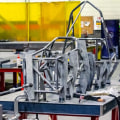
Race car fabrication is a critical aspect of the automotive industry, particularly for those who seek to push the limits of speed and performance on the track. This specialized process involves the design and construction of various components that are essential for a race car's functionality, safety, and competitive edge. From the chassis to the suspension system, each part must be meticulously crafted to withstand the rigors of high-speed racing while ensuring optimal aerodynamics and weight distribution.The significance of race car fabrication extends beyond mere aesthetics; it encompasses engineering precision and innovative techniques that can make or break a racer's success. The fabrication process often involves advanced materials such as carbon fiber and aluminum, which provide strength without adding unnecessary weight.
Understanding the intricacies of these materials and how they interact with different components is vital for any team aiming to achieve peak performance.As we delve deeper into the world of race car fabrication, we will explore the key components that require careful attention during the fabrication process. Each element plays a pivotal role in enhancing speed, handling, and safety, making it essential for teams to invest in high-quality fabrication practices. Whether you are a seasoned racer or an enthusiast looking to understand more about this fascinating field, grasping the fundamentals of race car components will provide valuable insights into what makes these machines truly remarkable.
Chassis Fabrication
The chassis is the backbone of any race car, serving as the primary structure that supports all other components. Its design and fabrication are critical to the overall performance, safety, and handling of the vehicle.A well-designed chassis not only enhances speed but also improves stability and driver control.When considering chassis design, several factors come into play:
- Weight Distribution: An optimal weight distribution is essential for achieving balance during high-speed maneuvers.
- Flexibility vs. Rigidity: The chassis must be rigid enough to withstand the forces of racing while allowing for some flex to absorb shocks from the track.
- Aerodynamics: The shape of the chassis can significantly impact airflow, which in turn affects downforce and drag.
- Steel: Known for its strength and durability, steel is often used in entry-level race cars but can add significant weight.
- Aluminum: Lighter than steel, aluminum offers a good strength-to-weight ratio, making it a popular choice for higher-end race cars.
- Carbon Fiber: This advanced material is extremely lightweight and strong, providing superior performance but at a higher cost.
By carefully considering design elements, material choices, and fabrication methods, builders can create a chassis that not only meets safety standards but also enhances competitive edge on the track.
Suspension Systems
The suspension system of a race car is a critical component that directly influences its handling, stability, and overall performance on the track. Proper race car fabrication of suspension components is essential to ensure that the vehicle can withstand the rigors of high-speed racing while providing optimal control.Key components of a race car's suspension system that often require fabrication include:- Control Arms: These are crucial for connecting the chassis to the wheels. Custom-fabricated control arms can improve geometry and adjustability, allowing for better handling characteristics.
- Shock Absorbers: High-performance shocks are often tailored to specific racing conditions. Fabrication allows for adjustments in damping rates and spring rates, which are vital for tuning the car's response to different surfaces.
- Sway Bars: These components help reduce body roll during cornering.
Custom sway bars can be designed to provide the right balance between stiffness and flexibility, enhancing cornering performance.
- Spring Perches: Fabricating spring perches allows for precise height adjustments, enabling teams to fine-tune ride height and weight distribution.
- Mounting Brackets: Custom brackets are often necessary to secure suspension components in a way that maximizes strength and minimizes weight.
Engine Components and Fabrication Techniques
When it comes to race car fabrication, the engine is often the heart of the vehicle, and its components play a crucial role in determining overall performance.Custom fabrication techniques are employed to enhance engine efficiency, power output, and reliability under extreme conditions.
Engine Components
that typically require fabrication include:- Intake Manifolds: Custom intake manifolds are designed to optimize airflow into the engine, improving combustion efficiency. These are often fabricated from lightweight materials like aluminum or composite materials to reduce weight while maintaining strength.
- Exhaust Systems: A well-designed exhaust system is essential for maximizing engine performance. Fabrication techniques allow for custom headers and exhaust pipes that reduce back pressure and improve exhaust flow, contributing to better horsepower and torque.
- Pistons and Connecting Rods: High-performance pistons and connecting rods are often fabricated from high-strength alloys to withstand the increased stress of racing conditions. These components can be tailored in size and shape to optimize compression ratios and engine response.
- Cylinder Heads: Custom cylinder heads can significantly enhance airflow and combustion efficiency.
Fabrication allows for porting and polishing, which improves the flow characteristics of the air-fuel mixture.
- Oil Pans: A fabricated oil pan can be designed to improve oil management during high-speed cornering, ensuring that the engine receives adequate lubrication at all times.
Bodywork and Aerodynamics
In the world of race car fabrication, the significance of bodywork and aerodynamics cannot be overstated. The design and materials used in a race car's bodywork play a crucial role in its performance on the track.A well-designed body not only enhances the car's aesthetic appeal but also optimizes its aerodynamic efficiency, which is vital for achieving higher speeds and better handling.
Aerodynamics in racing
involves the study of how air flows around the vehicle. The primary goal is to minimize drag while maximizing downforce. Drag is the resistance a car faces as it moves through the air, while downforce helps keep the car grounded, improving traction and stability. To achieve this balance, race cars often feature sleek, low-profile designs with smooth contours.- Materials Used: The choice of materials for bodywork is critical.
Commonly used materials include:
- Composite Materials: These are lightweight yet strong, making them ideal for high-performance racing applications. Carbon fiber and fiberglass are popular choices due to their excellent strength-to-weight ratios.
- Aluminum: Known for its durability and lightweight properties, aluminum is often used in areas where strength is essential without adding excessive weight.
- Plastic: Certain components may utilize high-strength plastics that can withstand impacts while being cost-effective.
Safety Features and Fabrication Standards
When it comes to race car fabrication, safety features are paramount.The integrity of a race car's design can mean the difference between life and death on the track. Key components that require meticulous fabrication include roll cages, harness systems, and fire suppression systems.
Roll Cages
A roll cage is one of the most critical safety features in a race car. It is designed to protect the driver in the event of a rollover or collision. The fabrication of a roll cage must adhere to strict regulations set by racing organizations, such as the FIA or NASCAR.These standards dictate the materials used, the design specifications, and the welding techniques employed. Typically made from high-strength steel or aluminum, roll cages must be precisely engineered to absorb impact while maintaining structural integrity.
Harness Systems
Another essential component is the harness system, which secures the driver in their seat during high-speed maneuvers. Proper fabrication of harness mounts and attachment points is crucial for ensuring that these systems function effectively. Racing regulations often specify the type of harnesses allowed, including their design and installation methods.A well-fabricated harness system can significantly reduce the risk of injury during an accident.
Fire Suppression Systems
In addition to roll cages and harnesses, fire suppression systems are vital for driver safety. These systems must be fabricated to meet specific standards that ensure they can quickly extinguish flames in case of an engine fire or fuel leak. The placement and accessibility of these systems are also critical factors that must be considered during fabrication.Overall, adhering to safety standards and fabrication regulations is not just about compliance; it’s about protecting lives on the racetrack. Each component must be crafted with precision and care to ensure maximum safety for drivers competing at high speeds.Electrical Systems and Wiring Harnesses
In the world of race car fabrication, the electrical systems play a crucial role in ensuring optimal performance and reliability on the track.These systems are not just about powering the vehicle; they encompass a range of components that work together to enhance the car's functionality and responsiveness.One of the most critical aspects of race car electrical systems is the wiring harness. This intricate assembly of wires connects various electrical components, including sensors, control units, and power sources. The fabrication of wiring harnesses requires precision and expertise, as any fault in the wiring can lead to catastrophic failures during a race.
Importance of Wiring Harness Fabrication
The fabrication process for wiring harnesses involves several key steps:- Design: Engineers create detailed schematics that outline the layout and connections needed for optimal performance.
- Material Selection: High-quality materials are chosen to withstand extreme conditions, including heat, vibration, and moisture.
- Assembly: Skilled technicians meticulously assemble the harness, ensuring that each connection is secure and properly insulated.
- Testing: Rigorous testing is conducted to verify that the harness functions correctly under race conditions.
This data is transmitted through the wiring harness to provide drivers and teams with critical insights during races.Moreover, as racing technology evolves, so does the complexity of electrical systems. Features such as adjustable traction control, electronic fuel injection, and advanced lighting systems all rely on well-fabricated wiring harnesses to operate efficiently. Therefore, investing in high-quality race car fabrication for electrical systems is essential for achieving competitive advantages on the track.
FAQs about Race Car Fabrication
When it comes to race car fabrication, enthusiasts and builders often have numerous questions. Here are some of the most frequently asked questions that can help clarify common misconceptions and provide valuable insights.What materials are commonly used in race car fabrication?
Race cars are typically constructed using a variety of materials, each chosen for its specific properties:- Aluminum: Lightweight and resistant to corrosion, aluminum is often used for body panels and structural components.
- Steel: Known for its strength, steel is commonly used in roll cages and chassis, providing durability and safety.
- Carbon Fiber: This high-performance material is favored for its exceptional strength-to-weight ratio, making it ideal for aerodynamic components.
- Titanium: Used in high-stress areas, titanium offers a combination of lightness and strength, though it is more expensive.
What are some common challenges in race car fabrication?
Fabricating a race car comes with its own set of challenges:- Precision: Achieving the exact specifications is crucial; even minor deviations can affect performance.
- Weight Management: Balancing strength and weight is essential for speed; builders must carefully select materials and design components.
- Regulatory Compliance: Adhering to racing regulations can complicate the fabrication process, requiring builders to stay informed about rules.
What tips can help in building a race car?
If you're venturing into race car fabrication, consider these tips:- Plan Thoroughly: Create detailed designs and plans before starting the build to avoid costly mistakes.
- Invest in Quality Tools: High-quality tools can make a significant difference in the precision and quality of your work.
- Seek Expert Advice: Don’t hesitate to consult with experienced fabricators or join forums to gain insights from others in the field.
Conclusion: The Future of Race Car Fabrication
As we look towards the future of race car fabrication, it is clear that innovation will continue to drive the industry forward.The integration of advanced technologies and materials is set to redefine how race cars are designed, built, and optimized for performance.
Emerging Technologies
One of the most significant trends in race car fabrication is the adoption of 3D printing. This technology allows for rapid prototyping and the creation of complex components that were previously impossible to manufacture. With 3D printing, teams can produce lightweight parts that enhance speed and efficiency while reducing costs.Material Advancements
The use of composite materials is also on the rise. These materials offer superior strength-to-weight ratios, which are crucial in competitive racing environments.As manufacturers develop new composites, we can expect even greater performance enhancements in future race cars.
Sustainability in Fabrication
Another important aspect is the growing emphasis on sustainability. As the racing community becomes more aware of its environmental impact, there is a push towards using eco-friendly materials and processes in race car fabrication. This shift not only helps reduce the carbon footprint but also appeals to a broader audience concerned about environmental issues.The Role of Data Analytics
Data analytics will play a pivotal role in shaping future fabrication practices. By leveraging data from previous races and simulations, teams can make informed decisions about design modifications and material choices, leading to more efficient and effective race car fabrication.In conclusion, the future of race car fabrication is bright, with technological advancements paving the way for faster, lighter, and more sustainable vehicles.As these trends continue to evolve, they will undoubtedly enhance the competitive edge of teams and redefine what is possible on the racetrack.