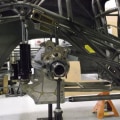
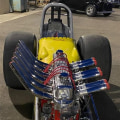
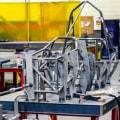
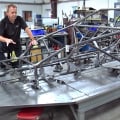
Race car fabrication is a critical process that combines engineering, design, and craftsmanship to create high-performance vehicles capable of competing at the highest levels of motorsport. This intricate process involves the construction of various components, including the chassis, bodywork, and suspension systems, all tailored to meet specific performance criteria. Understanding race car fabrication is essential for anyone interested in the automotive industry, as it highlights the meticulous attention to detail and innovation required to build a competitive race car. The significance of race car fabrication extends beyond mere aesthetics; it plays a vital role in ensuring safety, performance, and reliability on the track. Each component must be engineered to withstand extreme conditions while optimizing speed and handling.
This is where advanced technologies come into play, allowing fabricators to push the boundaries of what is possible in automotive design. As we delve deeper into the world of race car fabrication, we will explore how tools like computer-aided design (CAD) revolutionize this field. CAD not only enhances precision but also streamlines the design process, enabling engineers and fabricators to visualize and test their ideas before physical production begins. This integration of technology into race car fabrication is transforming how teams approach vehicle development, making it more efficient and innovative than ever before.
What is Computer-Aided Design (CAD)?
Computer-Aided Design (CAD)
refers to the use of computer software to facilitate the creation, modification, analysis, and optimization of a design. Initially developed in the 1960s, CAD has transformed the way engineers and designers approach their work, moving from traditional hand-drawn methods to sophisticated digital tools that enhance precision and efficiency.The evolution of CAD in engineering has been marked by significant advancements in technology.
Early systems were primarily 2D, allowing for basic drafting and design. However, as computing power increased, so did the capabilities of CAD software. Today, most CAD applications support 3D modeling, enabling engineers to visualize complex structures and components in a virtual environment.In the context of race car fabrication, CAD plays a crucial role. It allows engineers to create detailed models of race car components, from chassis to aerodynamics.
This precision is vital in a field where even minor adjustments can lead to significant performance improvements.
- Design Accuracy: CAD software provides tools for precise measurements and tolerances, ensuring that every part fits perfectly within the overall assembly.
- Simulation Capabilities: Engineers can simulate real-world conditions, such as aerodynamics and stress tests, before any physical prototypes are built.
- Collaboration: CAD files can be easily shared among team members, facilitating collaboration across different departments involved in race car fabrication.
The Role of CAD in Race Car Design
In the realm of race car fabrication, Computer-Aided Design (CAD) plays a pivotal role in transforming innovative ideas into high-performance vehicles. By utilizing advanced CAD software, engineers and designers can create detailed 3D models that accurately represent every component of a race car, from the chassis to the aerodynamic features.Benefits of CAD in Automotive Design
- Precision and Accuracy: CAD allows for meticulous detailing, ensuring that every measurement is exact. This precision is crucial in race car fabrication, where even the slightest deviation can impact performance.
- Enhanced Collaboration: With CAD, teams can work simultaneously on different aspects of the design.
This collaborative environment fosters creativity and innovation, leading to better overall designs.
- Rapid Prototyping: CAD software enables quick iterations of designs. Engineers can test various configurations and make adjustments in real-time, significantly speeding up the development process.
- Simulation and Analysis: Many CAD programs come equipped with simulation tools that allow designers to analyze how a race car will perform under different conditions. This capability helps in optimizing designs for speed, safety, and efficiency.
- SolidWorks: Known for its user-friendly interface and powerful simulation capabilities, SolidWorks is widely used in the automotive industry.
- CATIA: Developed by Dassault Systèmes, CATIA is favored for its advanced surface modeling features, making it ideal for designing complex aerodynamic shapes.
- AutoCAD: While not exclusively for automotive design, AutoCAD remains a staple due to its versatility and extensive toolset.
Enhancing Fabrication Processes with CAD
Computer-aided design (CAD) plays a pivotal role in the realm of race car fabrication, significantly enhancing the efficiency and accuracy of the manufacturing process.By utilizing advanced software tools, engineers and designers can create detailed 3D models of race cars, allowing for precise visualization and modification before any physical work begins.One of the primary advantages of CAD in fabrication processes is its ability to streamline workflows. Traditional methods often involve manual drafting and prototyping, which can be time-consuming and prone to human error. In contrast, CAD software enables rapid iterations and adjustments, ensuring that any design flaws are identified and rectified early in the process. This not only saves time but also reduces material waste, as fewer prototypes need to be built.Moreover, CAD enhances collaboration among team members.
With cloud-based CAD solutions, designers, engineers, and fabricators can access and modify designs in real-time, regardless of their physical location. This level of collaboration fosters innovation and allows for quicker decision-making, which is crucial in the fast-paced world of race car production.Another significant benefit is the integration of simulation tools within CAD software. These tools allow engineers to test various performance scenarios virtually, such as aerodynamics and structural integrity, before committing to physical fabrication. By simulating how a race car will perform under different conditions, teams can make informed adjustments that enhance performance while ensuring safety.In summary, the incorporation of CAD into race car fabrication not only improves manufacturing efficiency but also elevates the overall quality of the final product.
As technology continues to advance, the role of CAD in this industry will likely expand further, paving the way for even more innovative designs and faster production timelines.
Case Studies: Successful Implementation of CAD in Race Car Fabrication
In the world of race car fabrication, the integration of Computer-Aided Design (CAD) has led to remarkable advancements, enabling teams to push the boundaries of performance and innovation. Here are some notable case studies that illustrate the successful implementation of CAD in this high-stakes environment.1.McLaren Racing
McLaren Racing has long been at the forefront of technology in Formula 1.By utilizing CAD software, they have streamlined their design processes, allowing for rapid prototyping and testing of new components. For instance, their use of CAD in designing aerodynamic elements has resulted in significant improvements in downforce and drag reduction, directly impacting race performance.2.Ferrari
Ferrari's engineering team employs advanced CAD tools to create intricate designs for their race cars. One standout example is the development of the Ferrari SF71H, where CAD was instrumental in optimizing the chassis and suspension systems.The precision offered by CAD allowed engineers to simulate various conditions and make data-driven decisions that enhanced the car's handling and stability on the track.
3.Red Bull Racing
Red Bull Racing has embraced CAD technology not only for design but also for collaboration across teams. Their use of CAD facilitates seamless communication between aerodynamicists and fabricators, ensuring that every component is manufactured to exact specifications. This integration has led to innovative designs such as their unique front wing configurations, which have been pivotal in achieving competitive advantages during races.4.NASCAR Teams
NASCAR teams have also recognized the value of CAD in race car fabrication. Teams like Hendrick Motorsports utilize CAD to enhance their vehicle designs while adhering to strict regulations.By employing simulation tools within their CAD software, they can predict how changes will affect performance, allowing for iterative improvements before physical fabrication begins.These case studies highlight how CAD technology not only accelerates the design process but also fosters innovation in race car fabrication. As teams continue to leverage these tools, we can expect even more groundbreaking developments in the racing industry.
Challenges and Limitations of Using CAD in Race Car Fabrication
While computer-aided design (CAD) has revolutionized the field of race car fabrication, it is not without its challenges and limitations. Understanding these issues is crucial for engineers and designers aiming to optimize their workflows and improve the performance of race cars.Challenges of CAD in Racing
One significant challenge is the steep learning curve associated with advanced CAD software. Engineers must invest considerable time and resources to become proficient, which can delay project timelines.Additionally, the complexity of race car designs often requires specialized knowledge that may not be readily available within a team.
Limitations of Computer-Aided Design
Another limitation is the potential for software bugs and compatibility issues. CAD programs can sometimes produce unexpected results due to glitches or incompatibility with other software tools used in the fabrication process. This can lead to costly errors in design, requiring rework and additional time to correct.Issues with CAD Software in Fabrication
- Data Management: Managing large datasets generated by CAD can be cumbersome. Engineers may struggle with file sizes and data organization, which can hinder collaboration among team members.
- Real-World Testing: CAD models may not always accurately represent real-world conditions.
Engineers must validate their designs through physical testing, which can be time-consuming and expensive.
- Cost: High-quality CAD software often comes with significant licensing fees, which can strain budgets, especially for smaller teams or startups in the racing industry.
Future Trends: The Evolution of CAD in Race Car Fabrication
The future of computer-aided design (CAD) in race car fabrication is poised for significant transformation, driven by rapid advancements in technology. As the automotive industry continues to evolve, several key trends are emerging that will redefine how race cars are designed and manufactured.Integration of Artificial Intelligence
One of the most promising developments is the integration of artificial intelligence (AI) into CAD systems. AI can analyze vast amounts of data from previous races, simulations, and design iterations to suggest optimal design modifications.This capability not only speeds up the design process but also enhances performance by predicting how changes will affect a car's aerodynamics and handling.
Advancements in 3D Printing
3D printing technology is revolutionizing race car fabrication by allowing for rapid prototyping and the production of complex components that were previously impossible to manufacture. With the ability to create lightweight yet strong parts, teams can experiment with innovative designs without the high costs associated with traditional manufacturing methods. This trend is particularly beneficial for creating custom parts tailored to specific racing conditions.Enhanced Simulation Capabilities
The evolution of CAD software now includes advanced simulation tools that allow engineers to test designs under various conditions before physical production. These simulations can model everything from crash scenarios to aerodynamic performance, enabling teams to refine their designs with precision.As these tools become more sophisticated, they will play a crucial role in ensuring that race cars are not only faster but also safer.
Sustainability in Design
As environmental concerns grow, there is a push towards sustainable practices in race car fabrication. Future CAD systems are likely to incorporate features that help designers select materials based on their environmental impact and recyclability. This shift towards sustainability will not only benefit the planet but also appeal to a growing demographic of eco-conscious fans.In conclusion, the future of CAD in race car fabrication is bright, with innovations like AI, 3D printing, enhanced simulations, and sustainable practices set to redefine the landscape. As these technologies continue to develop, they will enable racing teams to push the boundaries of performance and efficiency like never before.Conclusion: The Integral Role of CAD in Modern Race Car Fabrication
In conclusion, the role of computer-aided design (CAD) in race car fabrication is not just significant; it is transformative.Throughout this article, we have explored how CAD technology enhances the design process, allowing engineers and designers to create intricate and optimized components that are crucial for high-performance racing.One of the primary advantages of CAD in race car fabrication is its ability to facilitate rapid prototyping. This capability enables teams to test and iterate designs quickly, ensuring that every component meets the rigorous demands of racing. By utilizing CAD software, engineers can simulate real-world conditions, identifying potential weaknesses before physical production begins.
- Precision and Accuracy: CAD tools provide unparalleled precision, which is essential in a field where even the smallest error can lead to catastrophic failures on the track.
- Collaboration: CAD systems allow for seamless collaboration among team members, regardless of their physical location. This fosters innovation and ensures that all stakeholders are aligned throughout the fabrication process.
- Cost Efficiency: By reducing material waste and minimizing the need for extensive rework, CAD contributes to lower overall costs in race car fabrication.
These technologies rely heavily on precise digital models created through CAD, enabling manufacturers to produce complex parts that were previously impossible or prohibitively expensive to create.As we look to the future of motorsports, it is clear that CAD will continue to play a pivotal role in shaping the next generation of race cars. The ongoing advancements in CAD technology promise even greater efficiencies and innovations in race car fabrication, ensuring that teams remain competitive in an ever-evolving landscape.Ultimately, embracing CAD not only enhances performance but also drives the entire industry forward, making it an indispensable tool for any serious contender in the world of racing.