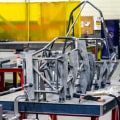
Race car fabrication is a meticulous process that combines engineering precision with artistic craftsmanship. At the heart of this process lies the critical role of welding techniques, which are essential for constructing the robust and lightweight structures that define high-performance vehicles. Whether it’s a sleek formula car or a rugged off-road racer, the integrity of the chassis and bodywork relies heavily on the quality of the welds. Understanding these techniques is vital for anyone involved in race car building, as they directly impact safety, performance, and durability. In the world of motorsports, where every millisecond counts, the choice of welding method can make a significant difference.
Different welding techniques offer unique advantages, from strength and weight considerations to ease of repair and maintenance. As we delve deeper into the various methods employed in race car fabrication, it becomes clear that mastering these skills is not just about joining metal; it’s about enhancing the overall performance and reliability of the vehicle on the track. As we explore this topic further, we will uncover the specific welding techniques that are favored in race car fabrication, each with its own set of characteristics and applications. This knowledge will not only enrich your understanding of race car construction but also equip you with insights that can elevate your own projects, whether you’re a seasoned fabricator or an enthusiastic newcomer to the world of motorsports.
The Importance of Welding in Race Car Fabrication
Welding plays a crucial role in the process of race car fabrication, serving as the backbone of a vehicle's structural integrity and safety. In the high-stakes world of racing, where every millisecond counts, the quality of welds can significantly impact performance and durability.One of the primary reasons welding is so important in race car fabrication is its direct influence on race car safety.A well-welded chassis can withstand the extreme forces experienced during high-speed maneuvers and collisions. Poor welding can lead to catastrophic failures, putting drivers at risk. Therefore, employing skilled welders who understand the nuances of different welding techniques is essential for ensuring that every joint is strong and reliable.Moreover, the structural integrity of a race car is paramount. The chassis must be lightweight yet robust enough to handle the stresses of racing.
Techniques such as TIG (Tungsten Inert Gas) welding are often preferred for their ability to produce clean, precise welds that maintain the strength of the materials used. This precision is vital in maintaining the balance and handling characteristics of the car.
- Performance Enhancement: Proper welding techniques not only ensure safety but also enhance overall performance by reducing weight without compromising strength.
- Material Compatibility: Different materials require specific welding methods; understanding these can lead to better performance outcomes.
- Customization: Welding allows for custom modifications that can improve aerodynamics and handling, tailored to specific racing conditions.
Common Welding Techniques Used in Race Car Fabrication
In the world of race car fabrication, the choice of welding technique is crucial for ensuring the structural integrity and performance of the vehicle.Two of the most commonly used welding methods are MIG welding and TIG welding, each offering unique advantages suited to different aspects of race car construction.
MIG Welding
MIG welding (Metal Inert Gas) is favored for its speed and ease of use, making it ideal for large-scale projects where time is a factor. This technique utilizes a continuous wire feed as an electrode, which melts and fuses the metal pieces together. The process is relatively straightforward, allowing even novice welders to achieve satisfactory results with practice.- Advantages:
- Fast welding speeds, which is essential in high-volume fabrication.
- Versatile for various materials, including aluminum and steel.
- Less skill-intensive compared to other methods, making it accessible for many fabricators.
- Applications:
- Used primarily for chassis fabrication and bodywork.
- Effective for joining thicker materials where speed is essential.
TIG Welding
TIG welding (Tungsten Inert Gas) is known for producing high-quality welds with excellent precision. This method uses a non-consumable tungsten electrode to create the weld pool, allowing for greater control over the heat input and weld quality.While it requires more skill than MIG welding, the results are often superior, especially in critical areas of a race car.
- Advantages:
- Produces cleaner and more aesthetically pleasing welds.
- Allows for precise control over the weld pool, making it ideal for thin materials.
- Better suited for intricate designs and critical structural components.
- Applications:
- Commonly used in roll cage construction and other safety-critical components.
- Preferred for aluminum fabrication due to its ability to handle thin sections without warping.
MIG Welding: A Popular Choice for Race Cars
MIG welding, or Metal Inert Gas welding, has become a popular choice in the realm of race car fabrication due to its versatility and efficiency. This technique utilizes a continuous wire feed as an electrode, which melts and fuses the base metals together while being shielded by an inert gas, typically argon or a mix of argon and carbon dioxide.The result is a strong, clean weld that is essential for the high-performance demands of race cars.
Advantages of MIG Welding
- Speed: MIG welding is known for its rapid welding speed, allowing fabricators to complete projects more quickly. This is particularly beneficial in the racing industry, where time is often of the essence.
- Ease of Use: The process is relatively easy to learn compared to other welding techniques, making it accessible for both novice and experienced welders.
- Clean Welds: The shielding gas minimizes contamination, resulting in cleaner welds that require less post-weld cleanup.
- Versatility: MIG welding can be used on a variety of materials, including aluminum and stainless steel, which are commonly used in race car construction.
Race Car Applications
The applications of MIG welding in race car fabrication are extensive:
- Chassis Construction: MIG welding is frequently employed in building the chassis of race cars, providing the necessary strength and rigidity to withstand high speeds and impacts.
- Body Panels: Fabricators use MIG welding to attach body panels securely, ensuring aerodynamic efficiency and structural integrity.
- Exhaust Systems: The technique is also ideal for fabricating exhaust systems, where precision and durability are crucial for performance.
TIG Welding: Precision and Control in Fabrication
TIG welding, or Tungsten Inert Gas welding, is a highly regarded technique in race car fabrication due to its ability to produce clean, precise welds. This method utilizes a non-consumable tungsten electrode to create an arc between the electrode and the workpiece, allowing for exceptional control over the welding process.The use of an inert gas, typically argon, protects the weld area from contamination, ensuring a strong bond that is crucial for high-performance applications.One of the primary advantages of TIG welding in race car fabrication is its precision. This technique is particularly effective for welding thin materials, such as aluminum and stainless steel, which are commonly used in race car chassis and components. The ability to control the heat input minimizes warping and distortion, which can compromise the structural integrity of critical parts.
When to Use TIG Welding
- Thin Materials: Ideal for components that require a delicate touch.
- Complex Shapes: Perfect for intricate designs where accuracy is paramount.
- High-Strength Applications: Essential for parts that must withstand extreme conditions.
Additionally, the aesthetic quality of TIG welds is often superior, providing a professional finish that is visually appealing.In summary, TIG welding stands out as a premier choice in race car fabrication, offering unmatched precision and control. Its ability to produce high-quality welds makes it indispensable for fabricators aiming to achieve optimal performance and reliability in their race cars.
Choosing the Right Welding Technique for Your Race Car Project
When it comes to race car fabrication, selecting the right welding technique is crucial for ensuring the integrity and performance of the vehicle. Different projects may require different approaches, and understanding the specific needs of your race car can guide you in making the best choice.Factors to Consider:
- Material Type: The materials used in your race car, such as aluminum, steel, or titanium, will significantly influence your welding technique. For instance, TIG welding is often preferred for aluminum due to its precision and control.
- Joint Design: The complexity of the joints you need to weld can dictate your choice.
Simple butt joints may be suitable for MIG welding, while more intricate designs might benefit from the finesse of TIG welding.
- Heat Control: Different techniques offer varying levels of heat input. For example, TIG welding allows for better heat control, which is essential when working with thin materials that are common in race car fabrication.
- Skill Level: Your own proficiency with different welding methods should also be a consideration. If you're more comfortable with MIG welding, it may be wise to stick with that technique for your project.
Fabrication Tips:
- Practice First: Before starting on your actual race car components, practice on scrap materials to refine your technique and ensure you achieve the desired results.
- Use Proper Equipment: Invest in high-quality welding equipment that suits your chosen technique. This can make a significant difference in the quality of your welds.
- Maintain Cleanliness: Ensure that all surfaces are clean and free from contaminants before welding.
This is especially important for aluminum and stainless steel.
- Seek Expert Advice: Don’t hesitate to consult with experienced fabricators or welders who can provide insights based on their own experiences in race car fabrication.
Frequently Asked Questions About Welding in Race Car Fabrication
When it comes to welding techniques in race car fabrication, several common questions arise. Below, we address some of the most frequently asked questions to provide clarity and insight into this critical aspect of race car construction.What are the most common welding techniques used in race car fabrication?
The primary welding techniques utilized in race car fabrication include:- TIG Welding (Tungsten Inert Gas): This method is favored for its precision and ability to produce clean, strong welds on thin materials, making it ideal for chassis work.
- MIG Welding (Metal Inert Gas): Known for its speed and versatility, MIG welding is often used for larger components and can be easier for beginners to master.
- Stick Welding: While less common in high-performance applications, stick welding can be useful for repairs and in situations where portability is needed.
Why is welding important in race car fabrication?
Welding is crucial in race car fabrication because it ensures the structural integrity of the vehicle. A well-welded chassis can withstand the extreme stresses of racing, providing safety and performance advantages. Poor welding can lead to catastrophic failures on the track.How do I choose the right welding technique for my race car project?
The choice of welding technique depends on several factors:- The type of materials being used (e.g., aluminum vs.
steel).
- The specific components being fabricated (e.g., chassis vs. body panels).
- Your skill level and available equipment.
Are there any safety considerations when welding?
Absolutely! Safety is paramount when welding. Always wear appropriate protective gear, including:- Welding helmet with proper shade lenses.
- Gloves and long sleeves to protect against sparks and heat.
- A respirator if working with materials that produce harmful fumes.
Conclusion: Mastering Welding Techniques for Optimal Race Car Performance
In conclusion, the art of race car fabrication hinges significantly on the mastery of various welding techniques. Each method, from TIG welding to MIG welding, offers unique advantages that can enhance the structural integrity and performance of a race car.Understanding these techniques allows fabricators to make informed decisions that align with their specific racing goals.Throughout this article, we explored how:
- TIG welding provides precision and control, making it ideal for critical joints where strength and aesthetics are paramount.
- MIG welding offers speed and versatility, suitable for larger sections of the chassis where time efficiency is crucial.
- Stick welding remains a reliable choice for its robustness, especially in environments where portability and simplicity are required.
- Plasma cutting complements these welding techniques by ensuring clean cuts, which are essential for fitting components accurately.