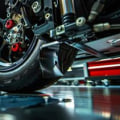
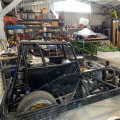
Custom-fabricated race car components are designed to withstand demanding driving conditions, high temperatures, and intense mechanical stress. From specialized suspension systems and aerodynamic body panels to custom exhaust assemblies and reinforced chassis structures, these components contribute to vehicle performance and reliability. However, exposure to dirt, oil, brake dust, moisture, and track debris can gradually affect their condition. Regular cleaning is an essential maintenance practice that helps preserve component functionality, identify potential problems, and maintain vehicle appearance. Establishing a consistent cleaning routine allows racing enthusiasts and professional teams to protect their investments while supporting dependable performance.
Preventing Dirt and Debris Accumulation
Race cars frequently operate in environments where dust, rubber particles, gravel, and other contaminants accumulate on exposed components. These materials can collect around suspension joints, cooling systems, wheel assemblies, and underbody structures.
Allowing debris to remain on these surfaces may interfere with inspections, restrict airflow, or contribute to premature component wear. Regular cleaning helps remove accumulated contaminants before they create additional maintenance concerns.
Technicians should use appropriate cleaning products and equipment suited to individual materials. Delicate finishes, electronic components, and specialized coatings may require particular attention to prevent accidental damage during cleaning.
Protecting Custom Metal Components From Corrosion
Many custom-fabricated racing components are manufactured using aluminum, steel, titanium, and other specialized materials. Although these materials offer different advantages, certain surfaces remain vulnerable to corrosion when exposed to moisture, road salt, or chemical contaminants.
Removing harmful residues and thoroughly drying cleaned components can help reduce corrosion risks. Protective coatings may provide additional resistance against environmental exposure.
Routine cleaning also allows technicians to examine welded connections, mounting points, and structural surfaces for early signs of deterioration that might otherwise remain hidden beneath dirt.
Maintaining Aerodynamic Features and Exterior Surfaces
Custom aerodynamic components, including splitters, spoilers, diffusers, and body panels, contribute to vehicle stability and airflow management. Keeping these surfaces clean helps maintain their appearance and makes physical damage easier to identify.
Professional cleaning providers such as Gateway Express Car Wash may be considered for suitable exterior maintenance, provided their equipment and cleaning procedures are compatible with the vehicle's modifications. Race cars with low ground clearance, exposed aerodynamic accessories, or specialized bodywork may require careful handwashing instead of conventional automated systems.
Using gentle cleaning techniques helps protect delicate finishes while minimizing unnecessary stress on customized components.
Improving Inspection and Maintenance Efficiency
Clean components make routine mechanical inspections significantly easier. Oil leaks, damaged fasteners, cracked welds, and unusual wear patterns are generally more visible when surfaces are free from accumulated contaminants.
Regular cleaning also helps maintenance teams identify potential problems before subsequent races. Inspecting suspension components, braking systems, and fabricated mounting structures after cleaning supports a more organized maintenance process.
Maintaining accurate inspection records can further help technicians monitor component conditions and determine appropriate repair schedules.
Supporting Long-Term Performance and Reliability
Custom-fabricated race car components represent significant investments in engineering, materials, and specialized workmanship. Maintaining their condition requires more than occasional mechanical adjustments.
Consistent cleaning, careful inspections, and appropriate protective treatments can help extend component service life while reducing avoidable deterioration. Racing teams should establish maintenance schedules based on track conditions, component specifications, and manufacturer recommendations.
Ultimately, regular cleaning supports effective race car maintenance by improving component visibility, protecting specialized materials, and helping identify potential mechanical concerns. Combining proper cleaning techniques with professional inspections allows vehicle owners to preserve their custom modifications and maintain reliable performance throughout demanding racing activities.