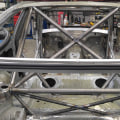
Race car fabrication is a meticulous process that combines engineering expertise with innovative design to create high-performance vehicles capable of withstanding the rigors of competitive racing. At its core, race car fabrication involves the careful selection of materials, precise construction techniques, and a deep understanding of aerodynamics and vehicle dynamics. Each component, from the chassis to the engine, plays a crucial role in ensuring that the car not only performs optimally but also adheres to safety regulations. One of the most critical aspects of race car design is the management of engine cooling and ventilation systems. As engines operate at high RPMs and generate significant heat, effective cooling solutions are essential to prevent overheating and maintain peak performance.
Fabricators must consider various factors, including airflow dynamics, radiator placement, and ducting systems, to ensure that the engine remains within its optimal temperature range during races. Moreover, the integration of advanced materials and technologies in race car fabrication allows for more efficient cooling systems. For instance, lightweight materials can enhance airflow while reducing overall weight, contributing to better speed and handling. Understanding these elements not only enhances performance but also ensures the longevity of the engine and other critical components. As we delve deeper into the specifics of ventilation and cooling strategies in race cars, it becomes clear that these systems are not merely add-ons but integral parts of a well-designed racing machine.
The Importance of Engine Cooling in Race Cars
In the high-stakes world of race car fabrication, ensuring optimal engine cooling is not just a technical requirement; it is a critical factor that can determine the outcome of a race.The engine is the heart of any race car, and its performance directly influences speed, acceleration, and overall handling. When an engine overheats, it can lead to catastrophic failures, resulting in not only poor performance but also costly repairs and potential safety hazards.
Overheating issues
can arise from various factors, including inadequate airflow, poor radiator design, or insufficient coolant levels. When the engine temperature exceeds its optimal range, several detrimental effects can occur:- Loss of Power: An overheated engine can experience a significant drop in power output, affecting acceleration and top speed.
- Increased Wear and Tear: High temperatures can accelerate wear on engine components, leading to premature failure.
- Engine Knock: Overheating can cause knocking or pinging sounds due to improper combustion, which can damage the engine over time.
- Complete Engine Failure: In extreme cases, overheating can lead to a blown head gasket or warped cylinder heads, necessitating extensive repairs.
Additionally, the layout of the engine bay is meticulously planned to facilitate efficient air circulation.Ultimately, effective engine cooling is essential for maximizing race car performance. By preventing overheating, fabricators ensure that engines operate at peak efficiency throughout a race, allowing drivers to push their vehicles to the limit without fear of mechanical failure. Understanding the importance of cooling systems in race car fabrication is crucial for anyone involved in motorsports, as it directly impacts both safety and competitive edge on the track.
Key Components of Race Car Ventilation Systems
Effective race car fabrication involves a meticulous approach to the design and implementation of ventilation systems that ensure optimal engine cooling. Several key components work in unison to manage airflow and dissipate heat, which is crucial for maintaining performance during races.- Radiators: The radiator is a central element in any race car's cooling system.
It dissipates heat from the engine coolant, allowing the engine to maintain an optimal operating temperature. High-performance radiators are often constructed from lightweight materials like aluminum, enhancing both efficiency and weight savings.
- Fans: Cooling fans play a vital role in enhancing airflow through the radiator. They can be either mechanical or electric, with electric fans providing the advantage of being able to operate independently of engine speed. This allows for better control over cooling, especially during low-speed conditions.
- Ducts: Air ducts are designed to channel cool air directly to critical areas of the engine and radiator.
Properly engineered ducts minimize turbulence and maximize airflow, ensuring that the engine receives sufficient cooling air even at high speeds. The shape and placement of these ducts are crucial for effective airflow management.
- Vents: Vents are strategically placed throughout the car's body to facilitate the escape of hot air. By allowing hot air to exit efficiently, vents help maintain a lower temperature within the engine compartment. This is particularly important during prolonged racing conditions where heat buildup can lead to performance degradation.
By focusing on advanced materials and designs, race car fabricators can enhance both performance and reliability on the track.
Designing Effective Cooling Systems for Race Cars
Effective cooling system design is crucial in race car fabrication, as it directly impacts engine performance and longevity. The primary goal is to maintain optimal operating temperatures, which can be achieved through a combination of airflow dynamics, material choices, and integration with other systems.Airflow Dynamics
- Intake and Exhaust Placement: Strategically positioning air intakes and exhaust outlets is essential for maximizing airflow. This ensures that cool air enters the engine compartment while hot air is expelled efficiently.
- Ventilation Ducts: Incorporating well-designed ducts can guide airflow to critical components, such as the radiator and oil cooler, enhancing their cooling efficiency.
- Fan Systems: High-performance electric or mechanical fans can be employed to boost airflow when the vehicle is stationary or moving at low speeds, ensuring consistent cooling under various conditions.
Material Choices
- Heat-Resistant Materials: Utilizing materials that can withstand high temperatures without degrading is vital. Options like aluminum and specialized composites are often favored for their lightweight properties and thermal conductivity.
- Radiator Design: The choice of radiator material and design affects heat dissipation.
A larger surface area with optimized fin designs can significantly improve cooling performance.
Integration with Other Systems
- Collaboration with Engine Design: Cooling systems must be integrated seamlessly with the engine layout. This includes ensuring that coolant passages are efficiently routed to minimize heat buildup.
- Thermal Management Systems: Advanced thermal management systems can monitor temperatures in real-time, allowing for adjustments to be made dynamically based on performance needs.
Innovative Technologies in Race Car Fabrication for Cooling
In the realm of race car fabrication, ensuring optimal engine cooling is paramount for performance and reliability. Innovative technologies and advanced materials play a crucial role in enhancing the cooling efficiency of race cars.Advanced Cooling Technologies
One of the most significant advancements in cooling technology is the use of heat exchangers.These devices transfer heat from the engine to the surrounding air or coolant, effectively lowering engine temperatures. Modern race cars often utilize:
- Liquid-to-air intercoolers: These systems cool the intake air before it enters the engine, improving combustion efficiency.
- Oil coolers: By maintaining optimal oil temperatures, these coolers prevent engine wear and maintain performance under extreme conditions.
- Radiators with enhanced airflow: Designed with advanced aerodynamics, these radiators maximize airflow, ensuring that heat is dissipated quickly.
Advanced Materials for Heat Management
The choice of materials in race car fabrication also significantly impacts cooling efficiency. Lightweight materials such as carbon fiber and aluminum are commonly used due to their excellent thermal conductivity and strength-to-weight ratio. These materials help in:- Reducing overall weight: A lighter car can achieve better speed and handling, which indirectly aids in cooling by reducing heat generation.
- Improving thermal management: Advanced composites can withstand higher temperatures without degrading, ensuring that critical components remain functional under stress.
This adaptability ensures that the engine operates within its optimal temperature range, enhancing both performance and longevity.In conclusion, the fusion of innovative technologies and advanced materials in race car fabrication not only enhances cooling efficiency but also contributes to overall vehicle performance. As technology continues to evolve, we can expect even more sophisticated solutions to emerge in the quest for optimal engine cooling.
Common Challenges in Engine Cooling and Ventilation
Race car fabricators often encounter a variety of challenges when it comes to ensuring optimal engine cooling and ventilation. These challenges can significantly impact the performance and reliability of a race car, making it crucial for fabricators to address them effectively.- Insufficient Airflow: One of the most common issues is inadequate airflow through the engine compartment. This can lead to overheating, especially during long races or in high-temperature conditions.
Fabricators must design air intakes and exhaust systems that promote efficient airflow.
- Radiator Placement: The placement of the radiator is critical. If positioned incorrectly, it may not receive enough airflow, reducing its effectiveness. Fabricators should consider the car's aerodynamics and ensure that the radiator is located where it can maximize cooling.
- Cooling System Design: A poorly designed cooling system can lead to hot spots within the engine. Fabricators need to ensure that coolant flows efficiently throughout the engine and that all components, such as hoses and pumps, are properly sized and positioned.
- Heat Exchanger Efficiency: The efficiency of heat exchangers can also pose a challenge.
If they are not capable of dissipating heat effectively, the engine temperature will rise. Fabricators should select high-performance heat exchangers that match the engine's cooling requirements.
- Conduct Thermal Imaging: Using thermal imaging cameras can help identify hot spots in the engine bay, allowing fabricators to pinpoint areas where airflow is restricted.
- Test Different Configurations: Experimenting with different configurations for air intakes and exhausts can reveal optimal setups for improved cooling.
- Monitor Engine Temperatures: Installing temperature sensors in various locations can provide real-time data on engine performance, helping to identify cooling issues before they become critical.
Case Studies: Successful Race Car Fabrication Projects
In the world of race car fabrication, successful projects often serve as benchmarks for innovation and engineering excellence. Here, we explore a few notable case studies that highlight effective strategies for engine cooling and ventilation.Case Study 1: The XYZ Racing Team
The XYZ Racing Team faced significant challenges with overheating during high-speed races. To address this, they implemented a multi-faceted approach:- Custom Radiator Design: They designed a larger, lightweight radiator that increased coolant capacity while minimizing weight.
- Ventilation Ducts: Strategic placement of ventilation ducts directed airflow directly to the engine bay, enhancing cooling efficiency.
- Thermal Coatings: Application of thermal barrier coatings on engine components reduced heat transfer, allowing for better overall temperature management.
Case Study 2: The ABC Motorsports Project
ABC Motorsports took a different approach by focusing on aerodynamics to enhance engine cooling:- Aerodynamic Bodywork: They redesigned the car's bodywork to optimize airflow around the engine compartment, reducing drag and improving cooling.
- Active Cooling Systems: Incorporating active cooling systems that adjusted airflow based on temperature readings allowed for dynamic management of engine heat.
- Data-Driven Decisions: Utilizing telemetry data, they continuously monitored engine temperatures and made real-time adjustments to cooling strategies during races.
By combining innovative designs with practical engineering solutions, teams can enhance performance and reliability on the track.
FAQs About Race Car Fabrication and Engine Cooling
When it comes to race car fabrication, ensuring optimal engine cooling is a critical aspect that many enthusiasts and professionals often inquire about. Here are some frequently asked questions regarding this topic:What are the common methods used for engine cooling in race cars?
- Radiators: Most race cars utilize high-performance radiators designed to dissipate heat efficiently. These radiators are often larger and made from lightweight materials to enhance cooling without adding excessive weight.
- Oil Coolers: In addition to water cooling, many race cars employ oil coolers to maintain optimal oil temperatures, which is crucial for engine performance and longevity.
- Ventilation Ducts: Properly designed ventilation ducts help channel airflow directly to the engine and other critical components, ensuring that heat is effectively removed during races.
How does the design of a race car affect engine cooling?
The design of a race car plays a significant role in its cooling efficiency. Factors such as aerodynamics, body shape, and the placement of components can either enhance or hinder airflow.For instance, a well-ventilated hood can allow hot air to escape more easily, while strategically placed vents can direct cooler air towards the engine.
Are there specific materials that improve cooling in race car fabrication?
Yes, certain materials are favored in race car fabrication for their thermal properties. Aluminum is commonly used due to its lightweight nature and excellent heat conductivity. Additionally, composite materials may be employed in areas where weight savings are critical without compromising strength.What role does engine tuning play in cooling?
Engine tuning is essential not only for performance but also for managing heat. A well-tuned engine operates more efficiently, generating less excess heat.This can be achieved through adjustments in fuel mapping, ignition timing, and other parameters that influence combustion efficiency.Understanding these aspects of race car fabrication and engine cooling can help enthusiasts make informed decisions when building or modifying their vehicles for optimal performance on the track.
Conclusion: The Future of Race Car Fabrication and Cooling Solutions
As we look towards the future of race car fabrication, it is clear that the integration of advanced cooling solutions will play a pivotal role in enhancing engine performance and reliability. The challenges posed by high-speed racing demand innovative approaches to ensure optimal engine temperatures, which can significantly impact a car's overall efficiency and speed.One of the most promising trends in race car fabrication is the adoption of lightweight materials that not only reduce the overall weight of the vehicle but also improve heat dissipation. Materials such as carbon fiber and advanced alloys are becoming increasingly popular, allowing for better airflow and cooling without compromising structural integrity.Emerging Technologies
- Active Cooling Systems: These systems utilize sensors and electronic controls to adjust airflow dynamically, ensuring that the engine remains within optimal temperature ranges during various racing conditions.
- Heat Exchangers: Enhanced designs for heat exchangers are being developed to maximize cooling efficiency, allowing for quicker heat transfer away from critical engine components.
- Thermal Coatings: The application of advanced thermal coatings on engine parts can help manage heat more effectively, reducing the risk of overheating and improving performance.
By embracing new materials, technologies, and design methodologies, fabricators can ensure that race cars not only perform at their best but also push the boundaries of speed and efficiency in competitive racing environments.