Race car fabrication is a meticulous and intricate process that transforms raw materials into high-performance machines capable of competing at the highest levels of motorsport. This specialized field combines engineering, design, and craftsmanship to create vehicles that not only meet stringent safety standards but also excel in speed and agility. Understanding the race car building process is essential for anyone interested in the world of motorsports, whether you're a budding racer, an enthusiast, or simply curious about how these incredible machines come to life. The timeline for fabricating a race car can vary significantly based on several factors, including the complexity of the design, the type of racing for which the car is intended, and the resources available to the builders. From initial concept sketches to the final touches before a race, each stage requires careful planning and execution.
This article will delve into the various phases of race car fabrication, shedding light on how long it typically takes to bring a race-ready vehicle from blueprint to track. As we explore this fascinating topic, we will uncover not only the timeframes involved but also the critical decisions and innovations that shape each unique build. Whether you are looking to understand the basics or seeking insights into advanced fabrication techniques, this discussion will provide a comprehensive overview of what it takes to fabricate a race car.
Factors Influencing Race Car Fabrication Time
When it comes to race car fabrication, several key factors can significantly influence the time required to complete the process. Understanding these elements is crucial for teams and enthusiasts alike, as they can lead to variations in timelines.Design Complexity
The complexity of the race car design is one of the primary factors affecting fabrication time. A simple design may take a few weeks to fabricate, while a highly intricate design with advanced aerodynamics and custom features can extend the timeline to several months.The more detailed the specifications, the more time-consuming the fabrication process becomes.
Materials Used
The choice of materials also plays a significant role in determining how long it takes to fabricate a race car. Common materials include:- Aluminum: Lightweight and easy to work with, aluminum can speed up the fabrication process.
- Carbon Fiber: While offering superior strength-to-weight ratios, carbon fiber requires specialized techniques and longer curing times, which can delay production.
- Steel: Though durable and cost-effective, steel fabrication often involves more labor-intensive processes, potentially extending timelines.
Technology and Equipment
The technology and equipment available for race car fabrication can also impact the timeline. Advanced machinery such as CNC machines and 3D printers can streamline certain aspects of production, reducing overall time. Conversely, outdated equipment may slow down the process significantly.In summary, understanding these factors—design complexity, materials used, and technology—provides valuable insight into why timelines for race car fabrication can vary widely.Each project is unique, and careful consideration of these elements is essential for accurate planning and execution.
Typical Timeline for Race Car Fabrication
When it comes to race car fabrication, the timeline can vary significantly based on several factors, including the complexity of the design, the materials used, and the level of customization required. On average, the entire process can take anywhere from three to twelve months.Stages of Race Car Construction
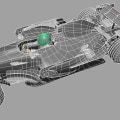
- Design Phase (1-3 months): This initial stage involves creating detailed blueprints and specifications for the race car. Engineers and designers collaborate to ensure that all performance requirements are met.
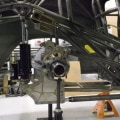
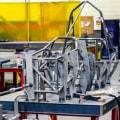
- Chassis Fabrication (2-4 months): The chassis is the backbone of the race car. This stage includes cutting, welding, and assembling the frame using lightweight materials like aluminum or carbon fiber.
- Bodywork and Aerodynamics (1-2 months): Once the chassis is complete, the bodywork is crafted to enhance aerodynamics.
This may involve molding composite materials and ensuring that every curve contributes to speed and stability.
- Engine and Drivetrain Installation (1-2 months): The heart of any race car is its engine. During this phase, the engine, transmission, and other drivetrain components are installed and calibrated for optimal performance.
- Testing and Tuning (1-3 months): After assembly, extensive testing is conducted to fine-tune performance. This includes track testing to assess handling, speed, and reliability.
Conversely, simpler designs may expedite the process.Ultimately, understanding the race car fabrication timeline helps teams plan effectively and ensures that they meet deadlines for upcoming races or events. By breaking down each stage, teams can allocate resources efficiently and maintain high standards throughout the fabrication process.
Stages of Race Car Fabrication
The process of race car fabrication is intricate and involves several distinct stages, each contributing to the overall performance and safety of the vehicle. Understanding these stages can provide valuable insight into how long it typically takes to fabricate a race car.- 1.Design Phase: This initial stage involves creating detailed blueprints and specifications for the race car. Engineers and designers collaborate to ensure that the design meets both performance goals and regulatory requirements.
This phase can take anywhere from a few weeks to several months, depending on the complexity of the design.
- 2.Material Selection: Once the design is finalized, selecting the right materials is crucial. Lightweight yet durable materials such as carbon fiber, aluminum, and high-strength steel are often chosen to enhance performance while ensuring safety. This stage typically lasts a few weeks as suppliers are consulted and materials are sourced.
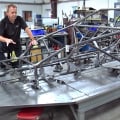
- 3.Fabrication: The actual fabrication process begins with cutting, bending, and welding the materials according to the design specifications. This stage is labor-intensive and can take several weeks to months, depending on the complexity of the chassis and bodywork.
Skilled fabricators work meticulously to ensure precision and quality.
- 4.Assembly: After fabrication, the various components are assembled. This includes installing the engine, suspension, brakes, and electrical systems. Each component must be carefully integrated to ensure optimal performance. The assembly phase can take several weeks as technicians perform tests and adjustments.
- 5.Testing: Once assembled, the race car undergoes rigorous testing to evaluate its performance on track conditions.
This phase is critical for identifying any issues that need addressing before the car is deemed race-ready. Testing can take a few weeks, depending on how many adjustments are required.
Common Challenges in Race Car Fabrication
Race car fabrication is an intricate process that often encounters various challenges, which can significantly impact the overall timeline. Understanding these challenges is crucial for anyone involved in the building of a race car.Common Challenges in Race Car Fabrication
- Material Sourcing: Finding the right materials that meet both performance and safety standards can be time-consuming.
Delays in sourcing high-quality components can push back the entire fabrication schedule.
- Design Modifications: As the fabrication process unfolds, teams may realize that certain design elements need adjustments. These modifications, while necessary for performance optimization, can lead to significant delays.
- Technical Expertise: The complexity of race car fabrication requires skilled labor. A shortage of experienced fabricators can slow down progress, especially if specialized skills are needed for specific tasks.
- Regulatory Compliance: Adhering to racing regulations and safety standards is non-negotiable. Ensuring that all components meet these requirements can introduce additional steps in the fabrication process.
- Testing and Quality Assurance: Before a race car hits the track, it must undergo rigorous testing.
Any issues discovered during this phase may necessitate further fabrication work, extending the timeline.
Case Studies: Race Car Fabrication Timelines
Understanding the timelines involved in race car fabrication can be greatly enhanced by examining real-world case studies. These examples illustrate the complexities and unique factors that can influence the duration of a project.Case Study 1: Custom Formula Race Car
A small racing team embarked on a project to build a custom Formula car from scratch.The entire process took approximately 12 months. Key phases included:
- Design and Engineering: 3 months - This phase involved CAD modeling and simulations to ensure aerodynamic efficiency.
- Material Sourcing: 2 months - Finding lightweight materials that met safety standards was crucial.
- Fabrication: 5 months - The actual building of the chassis, suspension, and engine integration took significant time due to the precision required.
- Testing and Modifications: 2 months - After initial tests, adjustments were made to optimize performance.
Case Study 2: Vintage Race Car Restoration
A restoration project for a classic race car showcased a different timeline. This project lasted around 8 months, with several unique challenges:- Parts Availability: Sourcing original parts took longer than expected, adding about a month to the timeline.
- Fabrication of Custom Components: Some parts were no longer available, necessitating custom fabrication, which extended the timeline by another month.
- Compliance with Racing Regulations: Ensuring that the restored car met current racing standards required additional modifications and testing time.
Frequently Asked Questions about Race Car Fabrication Time
When it comes to race car fabrication, many enthusiasts and potential builders often have questions about the time it takes to complete a custom race car.Here are some of the most frequently asked questions regarding this topic:
- How long does it typically take to fabricate a race car?
The timeline for race car fabrication can vary significantly based on several factors, including the complexity of the design, the materials used, and the builder's experience. On average, a complete custom race car can take anywhere from three months to over a year to fabricate. - What factors influence the fabrication time?
Several key factors can affect how long it takes to build a race car, including:- Design Complexity: More intricate designs require additional time for planning and execution.
- Material Selection: The choice of materials (e.g., carbon fiber vs. steel) can impact both fabrication time and cost.
- Builder Experience: Experienced builders may work faster due to their familiarity with processes and techniques.
- Availability of Parts: Delays in sourcing specific components can extend the overall timeline.
- Can I expedite the fabrication process?
Yes, there are ways to potentially speed up the process:- Pre-Planning: Having a clear plan and design before starting can save time.
- Sourcing Parts Early: Ordering parts in advance can prevent delays later in the process.
- Hiring Experienced Builders: Skilled professionals may complete tasks more efficiently.
Conclusion: Key Takeaways on Race Car Fabrication Timelines
In summary, the timeline for race car fabrication can vary significantly based on several factors, including the complexity of the design, the materials used, and the level of customization required.Understanding these elements is crucial for anyone involved in the racing industry or considering a custom build.
- Design Phase: This initial stage can take anywhere from a few weeks to several months, depending on the intricacy of the design and the need for engineering analysis.
- Material Sourcing: Acquiring high-quality materials is essential and can add additional time, especially if specialized components are required.
- Fabrication Process: The actual fabrication can range from 3 to 12 months. This includes cutting, welding, and assembling various parts into a cohesive unit.
- Testing and Adjustments: After fabrication, thorough testing is necessary to ensure performance and safety. This phase can take several weeks to months, depending on the results of initial tests.
Whether you are a seasoned racer or a newcomer to the sport, understanding these key takeaways will help you navigate the complexities of building a competitive race car.