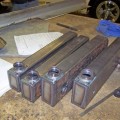
Race car fabrication is a meticulous process that combines engineering expertise with a passion for speed. It involves the design and construction of vehicles specifically tailored for competitive racing, where every component must work in harmony to achieve optimal performance. Among the various elements that contribute to a race car's success, engine modifications play a pivotal role. These enhancements not only boost power output but also improve reliability and efficiency, making them essential for any serious racer. When embarking on the journey of race car building, understanding the intricacies of engine modifications is crucial.
From upgrading the intake and exhaust systems to fine-tuning the engine management software, each modification is aimed at maximizing horsepower and torque. Additionally, factors such as weight reduction and aerodynamics are considered during the fabrication process, ensuring that the vehicle can handle the rigors of high-speed racing. As we delve deeper into the world of race car fabrication, we will explore specific engine modifications that are commonly implemented. These enhancements not only reflect the latest advancements in automotive technology but also highlight the creativity and innovation that define the racing community. Whether you are a seasoned racer or an enthusiast looking to understand more about this thrilling field, grasping these concepts will provide valuable insights into what makes a race car truly competitive.
Key Engine Modifications in Race Car Fabrication
When it comes to race car fabrication, the engine is often the focal point of performance enhancements.Several key modifications are commonly implemented to maximize power, efficiency, and overall vehicle performance.
- Engine Tuning: One of the first steps in modifying a race car engine is tuning the engine management system. This involves adjusting fuel maps, ignition timing, and other parameters to optimize performance for specific racing conditions.
- Upgraded Fuel Systems: Enhancing the fuel delivery system is crucial for supporting increased power levels. This may include installing larger fuel injectors, high-flow fuel pumps, and upgraded fuel lines to ensure that the engine receives adequate fuel under high-performance conditions.
- Forced Induction: Many race cars utilize turbochargers or superchargers to significantly boost engine power. These systems compress the intake air, allowing for more air and fuel to enter the combustion chamber, resulting in higher horsepower and torque.
- Exhaust System Modifications: A high-performance exhaust system reduces back pressure and improves exhaust flow.
Upgrading to headers, high-flow catalytic converters, and performance mufflers can enhance engine efficiency and sound.
- Internal Engine Components: Replacing stock components with high-performance alternatives is common. This includes forged pistons, lightweight connecting rods, and performance camshafts that can withstand higher RPMs and provide better airflow.
- Cylinder Head Work: Porting and polishing the cylinder heads can improve airflow into and out of the engine. This modification enhances combustion efficiency and can lead to significant power gains.
Upgrading Engine Components
When it comes to race car fabrication, upgrading engine components is crucial for enhancing performance and achieving competitive speeds.Several key components are commonly modified to maximize power output and efficiency.
Pistons
Upgrading to high-performance pistons can significantly improve engine efficiency.Forged pistons
are often preferred due to their strength and ability to withstand higher temperatures and pressures. These pistons reduce weight and allow for better combustion, leading to increased horsepower.Camshafts
The camshaft plays a vital role in controlling the timing of the engine's intake and exhaust valves. By installing a performance camshaft, racers can optimize valve lift and duration, which enhances airflow into the engine.This upgrade can lead to a noticeable increase in torque and horsepower, especially at higher RPMs.
Valves
Upgrading the valves is another essential modification in race car fabrication. High-performance valves made from lightweight materials can improve airflow and reduce the risk of valve float at high speeds. Additionally, larger valves can be installed to allow more air and fuel mixture into the combustion chamber, further boosting performance.Aftermarket Parts
Incorporating aftermarket parts is a common practice among race car builders. These parts are designed specifically for performance enhancement and often include:- High-flow fuel injectors: These injectors provide a greater volume of fuel, ensuring optimal combustion.
- Performance intake manifolds: Upgrading to a performance manifold can improve air distribution to the cylinders.
- Turbos or superchargers: Forced induction systems can dramatically increase horsepower by forcing more air into the engine.
By carefully selecting and installing these components, race car builders can create a machine that not only meets but exceeds competitive standards.
Tuning and Calibration Techniques
In the realm of race car fabrication, tuning and calibration techniques play a pivotal role in maximizing engine performance. These processes involve fine-tuning various engine parameters to achieve optimal power output, efficiency, and reliability on the track.Engine tuning
refers to the adjustments made to the engine's components and settings to enhance its performance characteristics. This can include modifications to the fuel-air mixture, ignition timing, and exhaust flow. Each of these elements can significantly impact how the engine performs under race conditions.- Fuel Mapping: Adjusting the fuel map ensures that the engine receives the right amount of fuel at various RPMs, which is crucial for maintaining power and efficiency.
- Ignition Timing: Optimizing ignition timing can lead to improved throttle response and increased horsepower, allowing for quicker acceleration.
- Boost Control: For turbocharged engines, managing boost levels is essential.
Proper calibration can prevent engine knock and ensure maximum power delivery.
Data logging
is a critical aspect of calibration. By recording various metrics such as RPM, temperature, and pressure, engineers can identify areas for improvement.This data-driven approach enables more informed decisions regarding tuning adjustments.Moreover, dynamometer testing is often employed to measure an engine's performance under controlled conditions. This testing provides valuable insights into how modifications affect power output and efficiency, allowing for further refinements in tuning.In conclusion, effective race car tuning and calibration techniques are essential for achieving peak performance in competitive racing environments. By meticulously adjusting engine parameters and utilizing advanced testing methods, race teams can ensure their vehicles are not only fast but also reliable on the track.
Fuel System Modifications
In the realm of race car fabrication, optimizing the fuel system is crucial for maximizing engine performance. Modifications to the fuel system can significantly enhance power output and efficiency, making them a priority for serious racers.Fuel System Upgrades
One of the primary areas of focus in fuel system modifications is upgrading the components that deliver fuel to the engine.This includes replacing stock parts with high-performance alternatives designed to handle increased demands during racing conditions.
- Fuel Injectors: Upgrading to larger or more efficient fuel injectors allows for a greater volume of fuel to be delivered to the engine. This is essential for achieving optimal air-fuel ratios, especially in high-revving applications. High-performance injectors can also improve throttle response and overall engine efficiency.
- Fuel Pumps: A high-flow fuel pump is vital for ensuring that the engine receives a consistent supply of fuel under high-pressure conditions. Stock pumps may not be able to keep up with the demands of a modified engine, leading to potential power loss or engine damage.
Upgrading to a performance fuel pump can prevent these issues and support higher horsepower levels.
Benefits of Fuel System Modifications
The benefits of these upgrades extend beyond mere power gains. Enhanced fuel delivery systems can lead to:- Improved Reliability: A robust fuel system reduces the risk of failures during races, ensuring that drivers can perform at their best without worrying about mechanical issues.
- Better Fuel Efficiency: With optimized fuel injectors and pumps, engines can achieve better combustion efficiency, which translates into improved mileage and reduced fuel costs over time.
- Tuning Flexibility: Upgraded components provide more tuning options, allowing racers to fine-tune their engines for specific tracks or racing conditions.
Exhaust System Enhancements
In the realm of race car fabrication, enhancing the exhaust system is crucial for maximizing engine performance and achieving that signature race car sound. A well-designed exhaust system not only improves exhaust flow but also contributes to overall vehicle efficiency.Types of Exhaust System Modifications
- Performance Exhaust Systems: These systems are engineered to reduce back pressure, allowing the engine to expel exhaust gases more efficiently.
This results in improved horsepower and torque, which are essential for competitive racing.
- Headers: Upgrading to high-performance headers can significantly enhance exhaust flow. Unlike stock manifolds, headers are designed to optimize the path of exhaust gases, reducing turbulence and improving scavenging.
- Cat-Back Exhaust Systems: A cat-back system replaces everything from the catalytic converter to the exhaust tip. This modification not only increases performance but also alters the sound profile of the vehicle, giving it a more aggressive tone.
- Exhaust Tips: While they may seem minor, the choice of exhaust tips can influence back pressure and sound. Larger diameter tips can enhance flow and provide a deeper sound, which is often preferred in racing applications.
These materials not only reduce overall vehicle weight but also resist corrosion, ensuring longevity under extreme racing conditions.In conclusion, modifications to the exhaust system during race car fabrication play a vital role in enhancing engine performance and sound. By focusing on components like performance exhaust systems, headers, and cat-back systems, racers can achieve significant improvements that contribute to their competitive edge on the track.
Cooling System Improvements
In the world of race car fabrication, maintaining optimal engine temperatures is crucial for performance and reliability. An efficient cooling system ensures that the engine operates within its ideal temperature range, preventing overheating and potential damage during intense racing conditions.One of the most common upgrades in race car cooling systems is the installation of high-performance radiators. Unlike standard radiators, these specialized components are designed to dissipate heat more effectively, often featuring larger cores and improved airflow dynamics.This allows for better heat exchange, which is essential during long races or in high-stress situations.Another significant modification involves upgrading the coolant used in the system. Many racers opt for advanced coolant formulations that offer superior thermal conductivity and lower freezing points. These coolants can help maintain engine temperatures more effectively than traditional options, especially under extreme conditions.
- High-Performance Water Pumps: Upgrading to a high-flow water pump can significantly enhance coolant circulation, ensuring that heat is removed from the engine more efficiently.
- Oil Coolers: Adding an oil cooler can help regulate oil temperatures, which is vital for maintaining engine performance and longevity.
- Thermostat Modifications: Installing a lower-temperature thermostat can allow coolant to flow through the engine sooner, preventing overheating during critical moments.
By improving airflow to the cooling system, racers can further enhance their vehicle's ability to maintain optimal engine temperatures.In summary, effective cooling system upgrades are essential in race car fabrication. From high-performance radiators to advanced coolant solutions and airflow enhancements, these modifications play a pivotal role in ensuring that race cars perform at their best while minimizing the risk of overheating.
Common FAQs About Engine Modifications in Race Car Fabrication
When it comes to race car fabrication, engine modifications are a crucial aspect that can significantly enhance performance. Here are some common questions regarding these modifications:- What are the most common engine modifications in race cars?
Common modifications include upgrading the intake and exhaust systems, increasing compression ratios, and installing performance camshafts. These changes help improve airflow and increase horsepower. - How do engine modifications affect reliability?
While modifications can boost performance, they may also impact reliability.It's essential to balance power gains with the durability of engine components. High-performance parts often require more frequent maintenance.
- Can I modify my engine without affecting its warranty?
Most manufacturers void warranties if significant modifications are made. It's advisable to check warranty terms before proceeding with any changes. - What is the role of tuning in engine modifications?
Tuning is critical after making modifications. It ensures that the engine runs efficiently and safely, optimizing fuel delivery and ignition timing for the best performance. - Are there regulations governing engine modifications in racing?
Yes, different racing organizations have specific rules regarding what modifications are allowed.Always consult the regulations of your racing league to ensure compliance.
Conclusion: The Impact of Engine Modifications on Race Car Performance
In conclusion, the modifications made to the engine during race car fabrication play a pivotal role in determining the overall performance and competitiveness of a race vehicle. Throughout this article, we have explored various enhancements that can be implemented to optimize engine efficiency, power output, and reliability. Key modifications include:- Engine Tuning: Adjusting the engine's fuel-air mixture and ignition timing can significantly improve horsepower and torque, allowing for faster acceleration and better throttle response.
- Upgraded Components: Replacing stock parts with high-performance alternatives, such as forged pistons, lightweight crankshafts, and high-flow cylinder heads, can enhance durability and performance under extreme racing conditions.
- Forced Induction: Implementing turbochargers or superchargers increases the amount of air entering the engine, resulting in greater power output without significantly increasing engine size.
- Exhaust System Modifications: Upgrading to a high-performance exhaust system reduces back pressure and improves exhaust flow, which can lead to increased horsepower and a more aggressive sound.