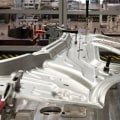
The evolution of race car fabrication is a fascinating journey that traces back to the early 20th century, a time when the world was just beginning to embrace the thrill of motorsport. The first race cars were often modified versions of standard automobiles, built with a focus on speed and performance rather than safety or aerodynamics. These early machines were typically constructed from heavy materials like steel and wood, which, while durable, limited their potential for speed and agility.In those formative years, the techniques used in race car fabrication were rudimentary at best. Craftsmen relied heavily on traditional metalworking skills, employing methods such as hand-welding and riveting to assemble the chassis and body.
The lack of advanced tools and technology meant that each car was a unique creation, often reflecting the personal touch of its builder. As racing gained popularity, so did the need for more specialized fabrication techniques that could enhance performance.Materials played a crucial role in shaping the future of race car fabrication. Initially dominated by iron and steel, the industry began to explore lighter alternatives as engineers sought to improve speed and handling. The introduction of aluminum in the 1920s marked a significant turning point, allowing for lighter structures without sacrificing strength.
This shift not only revolutionized how race cars were built but also set the stage for future innovations in materials science that would further transform the landscape of motorsport.
Technological Advancements in Materials
The evolution of race car fabrication has been significantly influenced by advancements in materials, particularly with the introduction of carbon fiber and aluminum alloys. These modern materials have not only enhanced the performance of race cars but have also revolutionized the manufacturing processes involved in their construction.Carbon fiber
, known for its high strength-to-weight ratio, has become a staple in the racing industry. This composite material allows for the creation of lightweight yet incredibly strong components, which is crucial in a sport where every ounce counts. The use of carbon fiber in body panels, chassis, and even internal components has led to significant improvements in speed and handling.Additionally, the ability to mold carbon fiber into complex shapes enables designers to optimize aerodynamics more effectively than ever before.On the other hand, aluminum alloys have also played a pivotal role in modern race car fabrication. These alloys offer a balance between weight and durability, making them ideal for various applications within a race car. The introduction of advanced aluminum welding techniques has further enhanced the structural integrity of race cars, allowing for more intricate designs without compromising safety.The impact of technology on fabrication processes cannot be overstated. Innovations such as computer-aided design (CAD) and 3D printing have streamlined the production of race car components.
CAD software allows engineers to create precise models that can be tested virtually before any physical work begins, reducing errors and saving time. Meanwhile, 3D printing enables rapid prototyping of parts, allowing teams to iterate designs quickly and efficiently.In conclusion, the integration of modern materials like carbon fiber and aluminum alloys, coupled with technological advancements in fabrication processes, has transformed the landscape of race car fabrication. These innovations not only enhance performance but also push the boundaries of what is possible in race car design and manufacturing.
The Role of CAD and CNC Technology
The evolution of race car fabrication has been significantly influenced by advancements in technology, particularly through the integration of computer-aided design (CAD) and computer numerical control (CNC) machining. These technologies have transformed the way race cars are designed and manufactured, leading to enhanced precision, efficiency, and innovation.CAD in Race Car Design
- Computer-aided design allows engineers and designers to create detailed 3D models of race cars, enabling them to visualize every component before physical production.
- This technology facilitates rapid prototyping, allowing teams to test and iterate designs quickly, which is crucial in the highly competitive world of motorsports.
- With CAD, designers can simulate aerodynamics and structural integrity, ensuring that each part meets performance standards without the need for extensive physical testing.
CNC Machining for Race Cars
- CNC machining automates the manufacturing process, allowing for high precision in cutting and shaping materials used in race car fabrication.
- This technology reduces human error and increases production speed, enabling teams to produce complex parts that are lightweight yet strong.
- CNC machines can work with a variety of materials, including metals and composites, which are essential for modern race car construction.
Digital Fabrication Techniques
- The rise of digital fabrication techniques has further streamlined the fabrication process.
Techniques such as 3D printing are now being utilized to create custom components that were previously difficult or impossible to manufacture.
- This not only saves time but also allows for greater customization of parts tailored to specific racing conditions or driver preferences.
Safety Innovations in Race Car Fabrication
Over the decades, race car fabrication has undergone significant transformations, particularly in the realm of safety innovations. As the sport evolved, so did the understanding of safety, leading to the implementation of advanced features that protect drivers during high-speed competitions.Evolution of Safety Standards
- The introduction of the HANS device (Head and Neck Support) in the 1990s marked a pivotal moment in driver safety, significantly reducing the risk of head and neck injuries.
- In response to tragic accidents, organizations like NASCAR and FIA have continuously updated their safety regulations, mandating stronger roll cages and improved crash structures.
- The use of fire-resistant materials in race car interiors has become standard, ensuring that drivers are better protected in the event of a fire.
Impact of Safety on Design
The focus on safety has also influenced the overall design and fabrication processes:
- Chassis design has evolved to incorporate crumple zones that absorb impact energy, enhancing driver protection during collisions.
- Modern race cars are often built with lightweight yet durable materials such as carbon fiber, which not only improve speed but also contribute to safety by maintaining structural integrity during crashes.
- The integration of advanced technology, such as telemetry systems, allows teams to monitor driver performance and vehicle conditions in real-time, further enhancing safety measures on the track.
Customization and Personalization Trends
In recent years, the world of race car fabrication has seen a significant shift towards customization and personalization.This trend reflects not only the desire for enhanced performance but also the need for individual expression among racers and enthusiasts alike.
Custom race car fabrication
allows drivers to tailor their vehicles to meet specific racing conditions and personal preferences. From chassis modifications to engine tuning, the options are virtually limitless. Many racers are now opting for bespoke solutions that cater to their unique driving styles, which has led to a surge in demand for specialized fabrication services.Aftermarket Modifications
The rise of aftermarket modifications has played a crucial role in this evolution. Enthusiasts can now access a wide array of parts and components designed to enhance performance and aesthetics.Popular modifications include:
- Suspension upgrades: Custom suspension systems allow for better handling and stability on the track.
- Engine enhancements: Turbochargers, superchargers, and custom exhaust systems are frequently added to boost horsepower.
- Aerodynamic kits: Spoilers, splitters, and diffusers are designed to improve airflow and reduce drag.
- Interior customization: Personalized dashboards, racing seats, and steering wheels enhance driver comfort and control.
Ultimately, the evolution of customization in race car fabrication represents a blend of art and engineering, allowing racers to push boundaries while expressing their individuality.
The Future of Race Car Fabrication
As we look to the future of race car fabrication, several key trends are emerging that promise to reshape the landscape of motorsport. One of the most significant shifts is the increasing focus on sustainability. With growing environmental concerns, manufacturers are exploring sustainable materials that not only reduce the carbon footprint but also enhance performance. For instance, bio-composites and recycled metals are becoming more prevalent in the construction of race cars, allowing teams to maintain competitive edges while adhering to eco-friendly practices.Another pivotal trend is the rise of electric racing cars.As technology advances, electric vehicles (EVs) are no longer just a niche market; they are becoming a formidable presence in racing circuits worldwide. The development of high-performance batteries and lightweight electric drivetrains is enabling race car fabricators to create vehicles that can compete with traditional combustion engines. This shift not only reflects changing consumer preferences but also aligns with global initiatives aimed at reducing emissions.Moreover, advancements in 3D printing technology are revolutionizing how components are fabricated. This method allows for rapid prototyping and customization, enabling teams to iterate designs quickly and efficiently.
As 3D printing becomes more accessible, we can expect to see an increase in bespoke parts tailored specifically for individual race cars, enhancing both performance and safety.In conclusion, the future of race car fabrication is poised for transformation through sustainable practices, the integration of electric technologies, and innovative manufacturing techniques. These developments not only promise to enhance the sport's appeal but also ensure that it evolves in harmony with societal values and technological advancements.
Frequently Asked Questions about Race Car Fabrication
Race car fabrication is a complex and evolving field that raises many questions among enthusiasts and professionals alike. Here are some frequently asked questions that can help clarify the intricacies of this fascinating subject.- What materials are commonly used in race car fabrication?
Race cars are typically constructed using lightweight yet strong materials such as carbon fiber, aluminum, and titanium. These materials help improve performance by reducing weight while maintaining structural integrity. - How has technology impacted race car fabrication?
The advent of advanced technologies like CNC machining, 3D printing, and computer-aided design (CAD) has revolutionized the fabrication process.These technologies allow for more precise components, faster production times, and innovative designs that were previously unimaginable.
- What is the role of aerodynamics in race car design?
Aerodynamics plays a crucial role in race car performance. Engineers focus on creating shapes that minimize drag and maximize downforce, which is essential for maintaining speed and stability on the track. This involves extensive testing in wind tunnels and simulations. - How do safety regulations influence race car fabrication?
Safety is paramount in racing, leading to strict regulations regarding the materials and designs used in race cars. Fabricators must ensure that their vehicles comply with these regulations to protect drivers during high-speed competitions. - What skills are essential for a race car fabricator?
A successful race car fabricator should possess a strong understanding of engineering principles, welding techniques, and materials science.Additionally, creativity and problem-solving skills are vital for overcoming design challenges.